
Chaos at German gas stations: diesel rises quickly with war in Iran and sea routes threatened

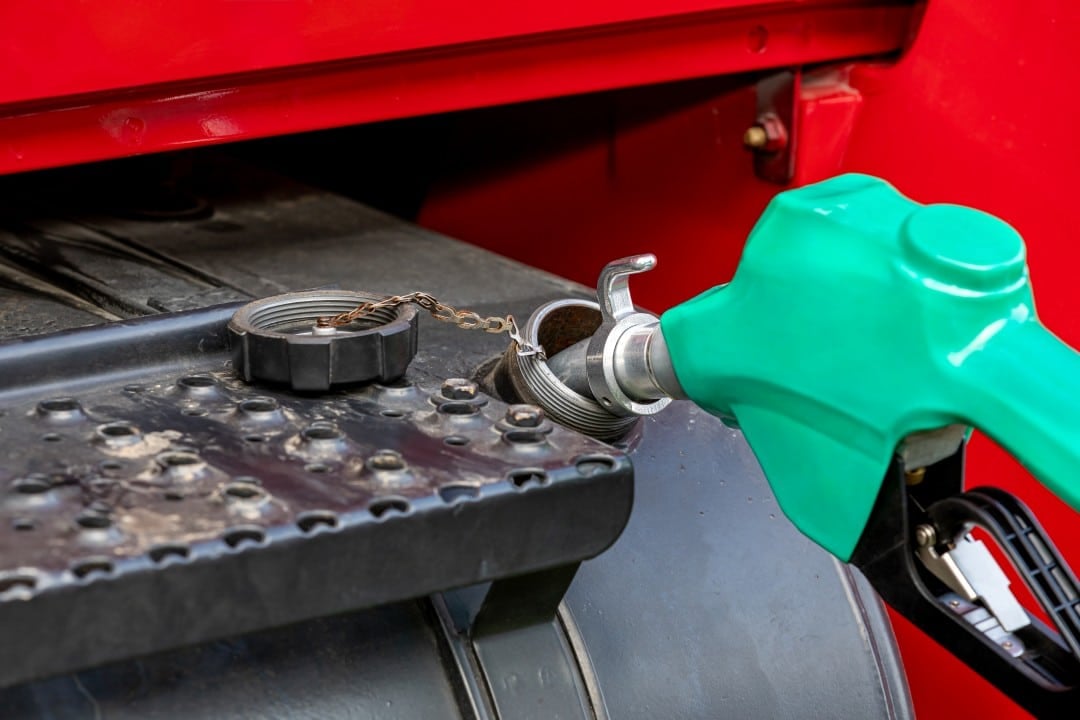
Diesel prices in Alemanha have registered a sharp rise in recent days, driven by the escalation of the conflict in Oriente Médio. Fuel surpassed the 2 euros per liter mark in several regions, with morning peaks above 2.10 euros. The combination of military attacks involving Irã and threats to trade routes in Mar Vermelho contributed to pressure on global oil and oil products markets.
Drivers now face significantly higher fueling costs, especially in urban areas and main highways. The upward movement began to intensify after recent events in the region, which affected the perception of risk in the supply of crude oil. Especialistas observe that the transfer to consumers occurs quickly when there is an increase in costs.
Rising prices at gas stations across the country
Diesel reached national averages that exceed values seen in previous months. In recent measurements, the average price reached 2,086 euros per liter on some days, with variations depending on time and location. Postos in larger cities recorded even higher values in the mornings.
The phenomenon known as the rocket and feather effect explains part of the current dynamics. Aumentos in oil prices are transferred quickly to the pumps, while reductions take longer to be reflected in final values. Essa asymmetry has frequently been observed in periods of geopolitical instability.
Impact of tensions on global supply
The situation in Oriente Médio, with rocket attacks and disruptions to key routes, has increased shipping costs. Navios avoid certain areas, opting for longer routes, which makes the logistics of oil and oil products more expensive. Essa change directly affects the European market, including Alemanha, which relies heavily on imports.
The price of a barrel of oil Brent registered intense variations, influencing derivatives in the short term. Consumidores Germans feel the immediate impact at service stations, where diesel prices increase by tens of cents in a few weeks.
Reactions from entities and drivers
Entities representing motorists monitor fluctuations daily and point to a scenario of continued growth. Motoristas report frequent price adjustments throughout the day, with spikes that complicate travel and expense planning.
Discussions about possible regulatory interventions arise amid the increase, but no immediate measures have been implemented. The focus remains on observing the market and external causes that put pressure on costs.
Comparison with previous periods
In the first months of 2026, diesel prices remained at lower levels, with averages below 1.80 euros at times. The turning point came with recent developments abroad, which have altered the balance between perceived supply and demand.
Diesel is now among the most expensive compared to European neighbors on certain days. Essa difference reflects the sensitivity of the German market to global energy variations.
Factors that worsen the discharge
Dependence on crude oil imports exposes the country to greater external shocks. Ataques to facilities or threats to commercial corridors amplify volatility. Especialistas indicate that the prolongation of the conflict may maintain the upward trend in the coming periods.
Stations adjust prices based on daily quotes, which results in intraday variations. Consumidores seek alternatives such as supply at lower peak times to mitigate the impact.
Outlook for the next few days
Continuous monitoring shows that prices remain at high levels, with no clear signs of immediate reversal. Fatores how the stability of maritime routes and the evolution of oil on the international market will be decisive. Motoristas continue to pay attention to daily updates at the stations.
Diesel has consolidated above 2 euros in recent averages, marking one of the most expensive periods in recent years. The situation reinforces the need to closely monitor geopolitical developments that directly influence consumers’ pockets.



