
Mpox presents a severe risk and can be lethal to immunocompromised people, children and pregnant women
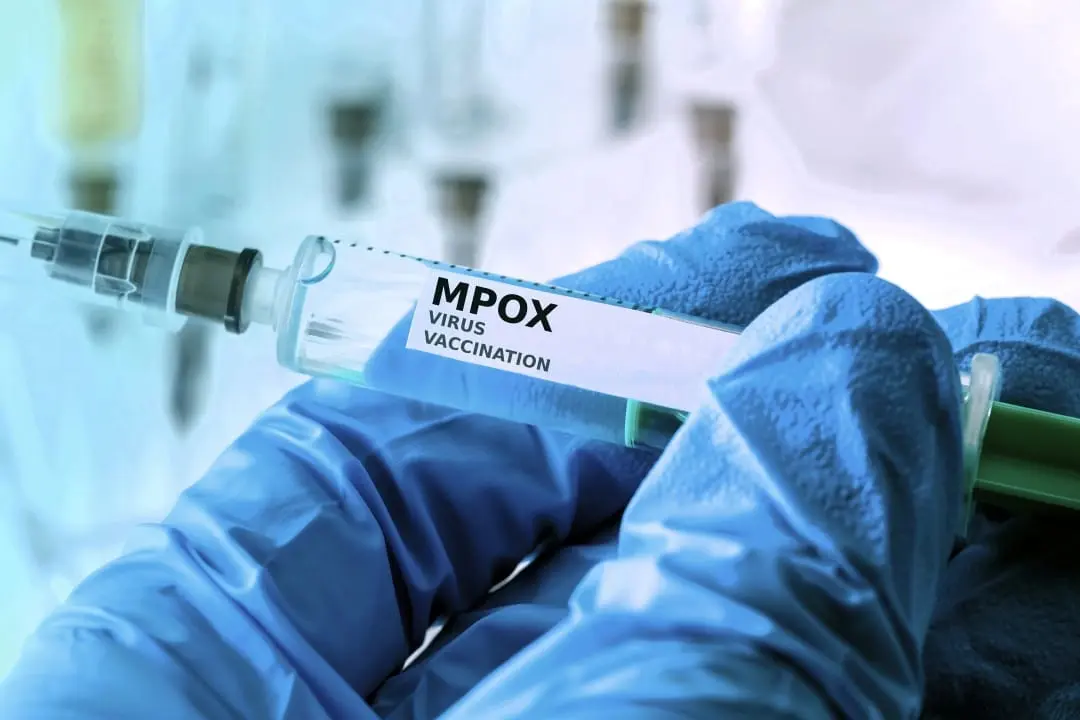
Mpox, a viral disease that has gained global attention in recent years, although it usually presents a mild evolution in most patients, has a potential for considerable worsening in certain groups. Especialistas and health authorities reinforce that the virus can cause severe and even lethal conditions in individuals with compromised immunity, young children and pregnant women, making early diagnosis and surveillance essential to mitigate serious complications.
Health authorities, including Organização Mundial of Saúde (WHO) and Ministério of Saúde, have systematically pointed to the greater vulnerability of these specific groups. Rapid identification of symptoms and access to adequate medical care are crucial to avoid unfavorable outcomes, especially considering that the disease, previously known as monkeypox, can have more aggressive manifestations in weakened organisms.
A thorough understanding of the transmission mechanisms and characteristics of the virus is essential for implementing effective prevention strategies and protecting the most susceptible segments of the population. The disease has challenged health systems to maintain a high level of alert and preparedness, especially given the possibility of new strains or localized outbreaks.
Origin and dissemination of Mpox
Mpox is a zoonotic disease, meaning it originates in animals and can be transmitted to humans. The causative virus belongs to the genus Orthopoxvirus, from the same family as smallpox, although it is generally less serious. Historicamente, the disease has been endemic in some regions of África Central and Ocidental, but has gained global prominence with more recent outbreaks that have spread to countries where it was not common, highlighting the need for a coordinated public health response to contain its spread and understand its new epidemiological dynamics. The rapid spread in 2022, for example, demonstrated the virus’s ability to adapt to new transmission contexts, requiring adaptations in global health strategies.
Human-to-human transmission occurs mainly through direct and prolonged physical contact with skin lesions, bodily fluids from an infected person, or through respiratory droplets during intimate contact. Além In addition, contact with contaminated materials, such as bedding and towels, can also be a route of infection. Entender these transmission routes are crucial to developing awareness campaigns and preventive measures that are truly effective.
On the same topic: Ministry of Health activates contingency plan against Ebola after WHO warning
Clinical manifestations and the usual course of the infection
Symptoms of Mpox usually manifest after an incubation period that varies from 5 to 21 days. Initial signs include fever, severe headache, muscle pain, fatigue and swollen lymph nodes (tongues). Essa prodromal phase is followed by the appearance of rashes, which can appear on any part of the body, including the face, palms, soles and genitals. The lesions evolve from spots to papules, vesicles, pustules and, finally, crusts that fall off.
In many patients, recovery is spontaneous and occurs within two to four weeks, without the need for complex medical interventions, as the individual’s immune system is able to fight the virus. However, the emergence of signs of worsening, such as secondary infections in the lesions, difficulty breathing or eye damage, should be promptly evaluated by healthcare professionals, especially in more susceptible populations where the course of the disease can be unpredictable and rapidly progressive.
Early identification of the characteristics of the rash is a fundamental pillar for diagnosis. Mpox injuries are notorious for their synchronous development, that is, all injuries in a given area of the body tend to be at the same stage of evolution. Esta feature helps differentiate it from other diseases with similar rashes, but it is vital that the diagnosis is confirmed by laboratory tests.
Groups most vulnerable to complications
Although the mortality rate associated with Mpox is considered low in the general population, certain demographics face a significantly higher risk of developing severe forms of the disease and facing fatal outcomes. Health authorities highlight that people with compromised immune systems, such as patients living with advanced-stage HIV/AIDS and those undergoing immunosuppressive treatments, have a reduced ability to fight the virus effectively, which favors uncontrolled viral replication and the spread of infection throughout the body.
In addition to these, young children, especially newborns and those under the age of eight, are also at high risk due to the immaturity of their immune systems, which are still developing and may not be able to mount a robust immune response to the virus. Essa vulnerability can result in more widespread infections, neurological complications and a greater likelihood of hospitalization. A gestação, por sua vez, introduz uma série de desafios imunológicos e fisiológicos que podem tornar as futuras mães e seus fetos mais suscetíveis a quadros graves, com risco de aborto espontâneo, parto prematuro e transmissão congênita do vírus.
Why immunocompromised people need special attention
Individuals with weakened immune systems represent one of the main groups of concern for Mpox. Reduced immune response capacity means that the body cannot efficiently contain viral replication, leading to a higher and prolonged viral load. Isso can result in systemic infections, where the virus spreads to multiple organs, causing severe inflammation and organ dysfunction.
In addition to uncontrolled viral replication, immunocompromised patients are also more susceptible to secondary bacterial infections in skin lesions. Essas infections can worsen the clinical picture, prolong recovery and, in some cases, be more dangerous than the viral infection itself. Management of these patients requires a multidisciplinary approach and, often, hospital admission for intensive monitoring and appropriate treatment.
High risks for young children and pregnant women
Young children deserve special attention, as their immune systems are not yet fully developed to fight pathogens such as the Mpox virus. In babies and younger children, the disease can manifest itself more seriously, with extensive skin lesions, high fever and the risk of encephalitis or other neurological complications. The vigilance of parents and caregivers is crucial to quickly identify any suspicious symptoms and seek immediate medical assistance.
For pregnant women, infection with the Mpox virus not only represents a risk for the mother herself, but also for the fetus. Existem concerns about the possibility of vertical transmission (from mother to fetus), which could lead to congenital malformations, miscarriage, stillbirth or serious neonatal infection. Portanto, prenatal care is essential, and any suspicion of Mpox in a pregnant woman must be investigated and treated with the utmost urgency and caution by health professionals.
Preventative measures and public health strategies
Prevention remains the most effective tool to reduce the transmission of Mpox and protect the most vulnerable groups. Health authorities around the world have emphasized the importance of avoiding direct contact with infected people or materials contaminated by skin lesions or bodily fluids. Strict hand hygiene, using soap and water or alcohol gel, is a simple but powerful measure that can break the virus transmission chain.
Other crucial recommendations include:
In addition to individual measures, public health strategies are vital for controlling the disease. Campanhas information and education are essential for the population to recognize the symptoms and know how to act. Active epidemiological surveillance allows the monitoring of new cases, the identification of outbreaks and the analysis of new strains, such as the new Brazilian strain, facilitating quick and effective responses to contain the spread and protect collective health.
The role of epidemiological surveillance and diagnosis
Permanent epidemiological surveillance is the backbone of any infectious disease control strategy, and in the case of Mpox, it is no different. Contact tracing, collecting data on the spread of the virus, and analyzing infection patterns are crucial to understanding the evolution of the disease and proactively adjusting public health policies. Essa constant vigilance is what allows health authorities to identify new threats and implement containment measures before an outbreak becomes uncontrollable.
Understand the case: Bacterial infection in a 10-year-old child in RN investigates possible relationship with Ypê detergent
Early diagnosis plays a key role in allowing patients to receive appropriate treatment and, more importantly, isolation measures to be implemented quickly to prevent transmission to others. The availability of accessible and rapid laboratory tests is, therefore, a determining factor for the effectiveness of public health actions in the fight against Mpox.
More news in News (EN)
See more → Samsung releases new system update with new features for Galaxy Watch 4 users
 Digital retail reduces the value of the Galaxy S25 5G smartphone with bank bonuses and device exchange
 Amazon’s wireless CarPlay adapter has a 50% discount and high approval ratings from drivers
 Zach Cregger’s new Resident Evil ignores games and focuses on an unprecedented story with new characters
 Rumor suggests that Nintendo is preparing a special edition of the Switch 2 with a remake of Ocarina of Time
 Apple accelerates production of the iPhone 17e and develops new Air model with dual camera system
 Epic Games platform releases twelve high-budget games at no permanent cost for PC users
 PlayStation 5 Pro price drop accelerates digital retail sales and eliminates global stocks
 New Galaxy Watch 9 firmware appears on server and confirms progress in software development
 Apple’s commemorative project tests cell phone with 1.1 millimeter edge and curved screen for 2027
 New Apple system update optimizes urgent task management for iPhone users
 Leak details hardware of the new portable PlayStation with superior graphics to the Xbox Series S
More news on Mix Vale
- 1Colby Minifie confirms Ashley Barrett’s powers in The Boys season five
- 2Napoli x Milan in Serie A with confirmed lineups and where to watch live
- 3New battery test puts Galaxy S26 Ultra ahead of iPhone 17 Pro Max in global ranking
- 4Research reveals that parents are unaware of how their children use artificial intelligence
- 5Oppo officially launches the Find X9 Ultra worldwide with Hasselblad lenses and robust battery
- 6Tim Cook reveals new iPhone and iPod prototypes in celebration of Apple’s fiftieth anniversary
- 7New edition of foldable smartphone brings gold finish to Winter Games competitors
- 8Android system receives native Gemini Nano 4 integration for offline processing on smartphones
- 9Samsung updates QuickStar module and expands visual control of the panel in the One UI 8.5 interface
- 10Leak reveals Lords of the Fallen and Sword Art Online in April’s PS Plus Essential catalog