
President Trump assesses quick outcome of conflict with Iran amid criticism of leadership

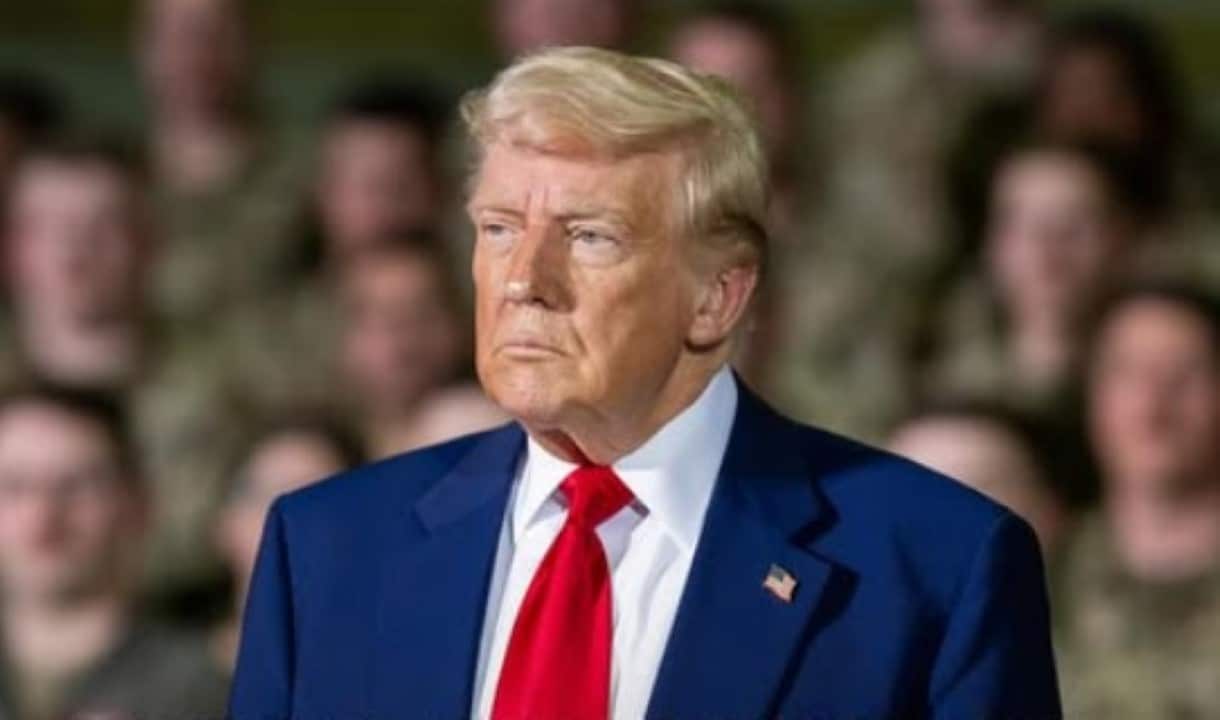
The former president of the Estados Unidos, Donald Trump, declared in a period of intense escalation of tensions that the conflict with the Irã could be nearing an end. Sua statement was made in a context where hostility between the two countries entered its second week, raising questions about the duration and intensity of military actions. The expectation of a quick outcome, in the view of the then American leader, contrasted with the historical complexity of the bilateral relationship.
Asked by journalists at the time whether the US military operation would end within a week or in a few days, Trump responded categorically: “Soon, I think.” Essa optimistic statement about the speed of the end of hostilities pointed to a belief in the effectiveness of American actions or in a quick capitulation of the adversary, something that rarely materializes in such intricate geopolitical scenarios. Ele also added a scathing analysis, suggesting that Irã “lost everything, including leadership”, indicating that there were two levels of leadership and that both had been disrupted. Tais comments, coming from a head of state, reverberated internationally, guiding discussions about the state of Iranian politics and US strategy in the region.
The escalation of tensions in the Persian Gulf
The situation in Oriente Médio, especially between Estados Unidos and Irã, has always been marked by a complex network of interests and mistrust. The period in which Trump made these statements was preceded by a series of heated events, including attacks on tankers, downings of drones and mutual retaliations that brought the region to the brink of a full-scale confrontation. The “second week” of conflict mentioned indicated a boiling point, where every action on one side provoked a reaction on the other, creating a cycle of escalation that was difficult to contain.
The “maximum pressure” rhetoric adopted by the Trump administration, which manifested itself in the withdrawal from the Iranian nuclear deal (JCPOA) and the imposition of severe economic sanctions, intensified the scenario. Essas measures aimed to force Irã to renegotiate a more comprehensive agreement, but in practice they led to increased militarization and regional instability. International actors watched with concern, fearing that any miscalculation could trigger a war of catastrophic proportions.
Presidential speech and its political implications
Donald Trump’s claim about the loss of Iranian leadership was a centerpiece of his narrative of strength and control. By suggesting that the Irã had lost “everything, including leadership” on “two levels”, he was trying to weaken the perception of stability of the Iranian regime and justify the effectiveness of American pressure. Esta rhetoric was common in his administration, which often sought to present adversaries as weakened or disorganized to reinforce the image of US superiority.
In the context of Trump’s statements, the news of the promotion of Mojtaba Khamenei, Aiatolá Ali Khamenei’s second son, to a prominent position, was circulating. Embora the supreme leader The rise of figures such as
The doctrine of “maximum pressure” and global strategy
Donald Trump’s foreign policy towards Irã was largely defined by the doctrine of “maximum pressure”. Essa approach aimed to isolate the Irã economically by cutting off its oil revenues and limiting its access to the international financial system, with the aim of forcing the regime to give in to American demands. The US’ unilateral withdrawal from the JCPOA in 2018 was a milestone in this strategy, which disregarded previous diplomatic efforts and opted for a more direct confrontation.
The imposed sanctions severely affected the Iranian economy, generating internal protests and increasing the cost of living for the population. Contudo, the maximum pressure strategy did not achieve the desired effect of bringing Irã to the negotiating table under American terms, on the contrary, it provoked a series of retaliations and an increase in Iranian nuclear activity, which gradually distanced itself from the limits imposed by the original agreement. Essa escalation of actions and reactions showed the complexity of dealing with a regional actor like Irã, which has a strong network of influence and a history of resisting external pressure.
Political reactions and expert analysis
Trump’s statements about the imminent end of the conflict with Irã were met with skepticism by many political analysts and international actors. The history of US-Iran relations and the very nature of the conflicts in Oriente Médio suggested that quick and definitive outcomes were unlikely. Enquanto some supporters of the administration saw the president’s words as a sign of determination and success, critics pointed to the superficiality of the analysis and the lack of understanding of the deep roots of the discord.
Within diplomatic circles, concern was latent. Aliados Europeans, who had invested in the JCPOA, regretted the American stance and feared the spread of instability. The Irã, in turn, reacted to threats and sanctions with a mix of defiance and resilience, reinforcing its anti-American rhetoric and seeking to strengthen its regional alliances. The perception that Trump was underestimating Iran’s resilience was widespread, indicating that the prediction of an “end soon” could be more a political wishful thinking than a realistic analysis of the situation.
Post-declaration developments and the reality of the confrontation
Contrary to Trump’s optimistic expectations, the conflict with Irã did not end “soon” nor in the “next few days.” Tensions persisted and, at times, intensified significantly in subsequent years. The dynamics of indirect and direct confrontation continued to shape the geopolitical landscape of Oriente Médio, with occasional incidents and the constant threat of further escalation. The US withdrawal from the nuclear deal and sanctions have kept the Irã under severe economic pressure.
Even with the change of administration in the US, the legacy of the maximum pressure policy has proven difficult to reverse. Attempts to resume dialogue and negotiations with the Irã have faced significant obstacles, including mutual distrust and demands from both sides. The promise of a quick outcome, therefore, proved to be an example of the complexity of diplomacy and the unpredictability of international conflicts, where words do not always translate into immediate results on the battlefield or at the negotiating table.
The persistence of regional tensions
Currently, the relationship between Estados Unidos and Irã remains a focal point of instability on the global stage. Apesar of the years that have passed since Trump’s statements, mutual distrust and deep strategic divergences persist. The Iranian nuclear issue remains without a definitive solution, and the regional influence of the Irã, through its allies and militias, continues to be a challenge to American interests and those of its partners in the Oriente Médio.
The future of diplomatic relations and security
The scenario for relations between Washington and Teerã continues to require caution and diplomatic skill. The transition to new administrations in both countries could open windows of opportunity for dialogue, but the deep scars of decades of hostility and conflicting interests make any progress slow and challenging. The search for a lasting solution that guarantees nuclear non-proliferation and regional stability is a priority for the international community.
The global community is closely watching the moves of both sides, hoping that diplomacy will prevail over confrontation. The complexity of the scenario requires a multifaceted approach, which combines pressure and engagement, with the aim of avoiding an escalation that would have disastrous consequences for Oriente Médio and the world. The path to a peaceful and stable outcome is long, requiring persistence and a real commitment to resolving conflicts through non-military means.



