
Verstappen addresses internal changes at Red Bull after Helmut Marko’s departure and impact on team dynamics

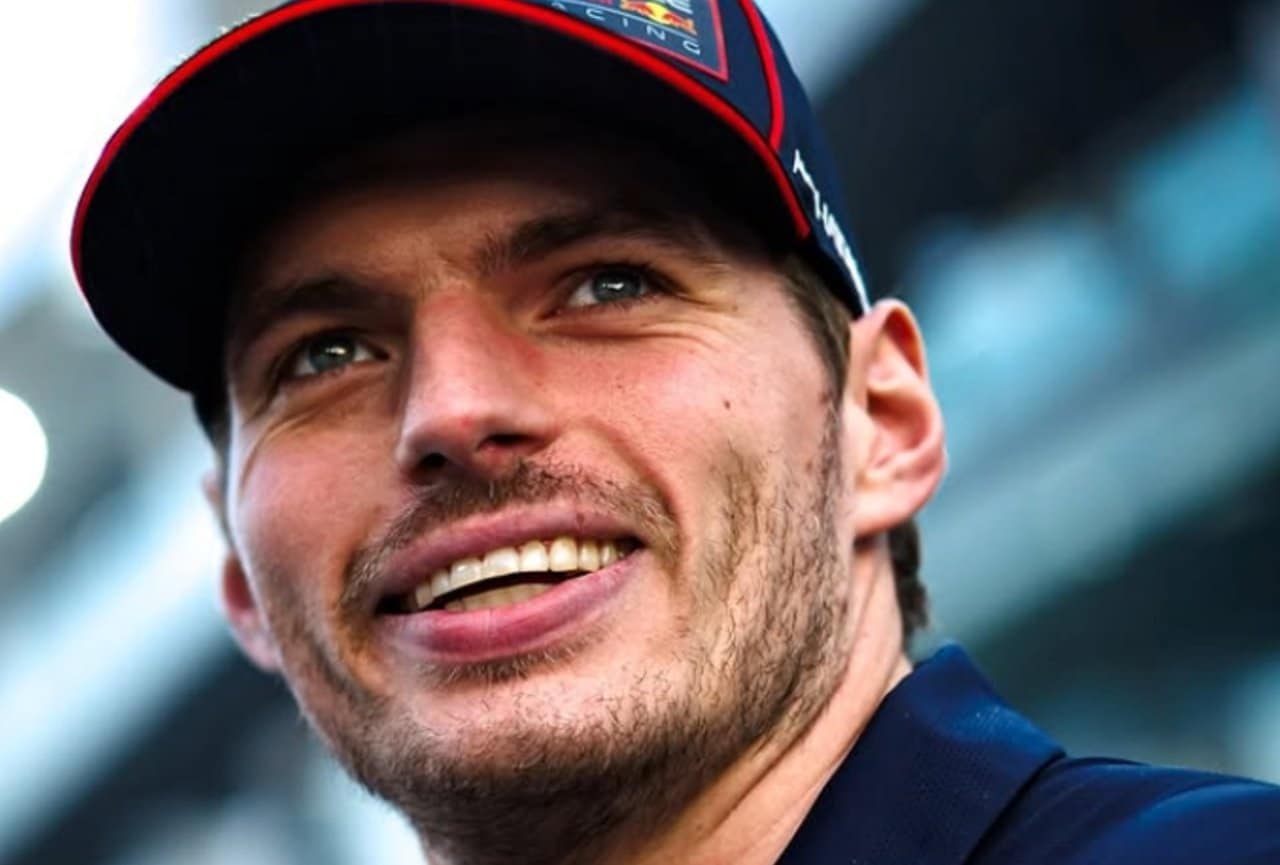
Max Verstappen, four-time champion of Fórmula 1, recently commented on the significant structural changes facing Red Bull Racing. The changes occurred mainly in the executive part of the team in 2025, including the departure of the influential motorsport consultant Helmut Marko, in December of that year. The Dutch driver, who built his entire career at Campeonato Mundial within the energy drink group, shared his insights into what has changed in RBR’s day-to-day activities and how he has dealt with the absence of the Austrian veteran.
Amid a period of transition, Red Bull also faced the departure of team leader Christian Horner, according to the journalistic context of the time. Essas movements generated several discussions in the paddock and among fans, questioning the future and stability of one of the most successful teams in the category. Verstappen, known for his outspokenness, offered an inside look at the team environment and dynamics without a figure as prominent as Marko.
Verstappen’s statements bring to light not only the professional aspects, but also the personal dimension of a relationship that spanned many years. Helmut Marko’s influence on Verstappen’s career is widely recognized, having been one of the main proponents of his meteoric rise to Fórmula 1. Sua’s departure represents the end of an era for the team, especially for those drivers who had Marko as a mentor.
Details of the relationship with Marko
When asked by the press about the changes perceived after the consultant’s departure, Max Verstappen reacted with a touch of humor, mentioning the absence of Helmut’s “Austrian jokes”. Essa relaxed observation highlights the close and, at times, informal nature of the relationship they both maintained, extending beyond racing circuits and team strategies. Daily interaction, full of exchanges and advice, now follows a different dynamic, but the personal bond remains intact.
Verstappen was keen to emphasize that, despite Marko’s physical absence in the garage, contact between them was not interrupted. “But I’m still in touch with him anyway. Talvez not so much about car details, but about life”, said the driver. Essa statement reveals the depth of a relationship that transcends the professional, consolidated by years of work together and shared achievements, transforming into a lasting friendship based on mutual respect.
The Austrian ‘mentor’ and his role
Helmut Marko has played an irreplaceable role in the structure of Red Bull since the beginning of the project at Fórmula 1, acting as a motorsport consultant and leader of the team’s young driver program. Sua’s keen vision for identifying talent and his firm stance on decisions were considered pillars for the success of Red Bull and AlphaTauri (formerly Toro Rosso). Marko wasn’t just a strategist; He was a mentor to many pilots, including Sebastian Vettel and of course Max Verstappen, who benefited immensely from his guidance and requirement. Sua presence in the garage was synonymous with experience and authority, and their often direct assessments helped shape not only the drivers’ performance, but also the team’s high-performance culture, fostering an atmosphere of constant pursuit of excellence.
Renewed atmosphere in the team
Apesar regretting the departure of such an emblematic figure, the four-time world champion suggested that recent changes to the team’s structure may have brought a new lease of life. Segundo him, the changes were “refreshing” and, perhaps, “necessary”. Essa perception points to a possible need for internal reassessment and adaptation to new scenarios, which can encourage the team to explore different approaches and strategies. The evolution of any organization, even the most successful, often requires adjustments to maintain competitiveness and innovation.
Verstappen also highlighted the continuity of a positive environment within Red Bull, highlighting the strong bond he maintains with his colleagues. “It’s been good working with everyone. But it’s always been good for me to be on this team. It’s really like a second family, so I’m also really happy to be here,” he concluded. Esta’s speech reinforces the idea that, despite the departure of important figures, the core of the team, made up of its members and internal culture, remains cohesive and focused, sustaining performance and ambition.
A year of transition to Red Bull
The year 2025 was, without a doubt, a period of great challenges and redefinitions for Red Bull Racing. The changes in its executive structure were not limited to the departure of Helmut Marko, covering a broader context of internal reorganization that impacted several areas of the team. Tais events tested the resilience and adaptability of the team, which has always been notable for its stability and focus on performance.
Managing large sports teams, like those of Fórmula 1, is a complex balance between maintaining talent and the need for renewal. The departure of key figures, regardless of the reasons, forces a reevaluation of processes and the promotion of new leaders or approaches. Para to Red Bull, the challenge was to ensure that this transition did not affect performance on the track or the morale of team members.
In this scenario, the team’s ability to readjust and maintain its main objective – victory – is crucial. Top teams often go through cycles of change, whether through retirements, transfers or internal restructuring. The way you deal with these situations defines your continued success and maintenance of your reputation in the highly competitive world of Fórmula 1.
Despite the speculation and uncertainty generated by such events, Red Bull demonstrated an attitude of moving forward, focusing on the unity of the group and the search for new solutions. Verstappen’s view of the need and invigorating nature of changes suggests a pragmatic acceptance of the facts, with the team looking to the future and seeking to strengthen itself in the face of adversity.
Verstappen and the “second family”
Max Verstappen’s declaration that Red Bull is like a “second family” to him is more than a simple expression of affection; it encapsulates the essence of his bond with the team and the Red Bull group as a whole. Desde his debut at Fórmula 1 with the Toro Rosso in 2015, and his rapid promotion to the Red Bull Racing in 2016, Verstappen has been a product and a pillar of that structure, growing and maturing as a rider and individual within it. Essa loyalty and a sense of belonging are crucial elements for the stability of a top driver, allowing him to focus entirely on performance, knowing that he has the complete support of his “home”.
Challenges and future perspectives
Structural changes in high-performance teams like Red Bull inevitably bring with them a set of challenges and the need to redefine future perspectives. The absence of a voice as experienced and influential as Helmut Marko may require a new distribution of responsibilities and a reevaluation of chains of command within the organization. The team needs to ensure that expertise in critical areas, such as developing new talent and formulating long-term strategies, is maintained and even enhanced by other members of leadership.
Another crucial point is maintaining the group’s internal cohesion and motivation. Although Mesmo has highlighted the good climate, adapting to new leadership figures and different work methods can be a process that requires time and transparent communication. The Red Bull is tasked with solidifying a new dynamic that allows its engineers, strategists and pilots to continue operating at the highest level, minimizing any negative impact on performance.
The team’s future prospects will largely depend on how this restructuring translates into results on the track. Fórmula 1 is a sport where constant innovation and the ability to react quickly are fundamental. Red Bull will need to demonstrate that the 2025 changes were a step forward, preparing the team for the challenges of the coming seasons and maintaining its position as a dominant force in the category, regardless of the departures of historic figures.
Impact on development and leadership
The departure of Helmut Marko, recognized for his fundamental role in the Red Bull young pilot program, has a considerable impact on the strategy for developing new talent. The team’s ability to identify and nurture future Fórmula 1 stars has been one of its hallmarks, and now, that role needs to be reevaluated and possibly redefined under new leadership. Continued success depends on how the team restructures its training and support system for young drivers, ensuring that the talent pipeline for Red Bull and AlphaTauri remains robust.
Additionally, the issue of executive leadership within Red Bull Racing becomes a focus of attention. With the absence of Marko, the dynamics of decision-making and strategic management may undergo adaptations. It is essential that the leadership void is filled effectively, whether by the rise of existing figures or the introduction of new members, so that the team maintains its clarity of direction and its ability to react to the sport’s challenges with the same agility and determination that have characterized it historically.
Continuity of Max Verstappen
Apesar Despite the profound changes in the internal structure of Red Bull, Max Verstappen’s permanence on the team represents a pillar of stability and trust. Seu long-term contract and his unwavering focus on performance are crucial factors for the team to go through this transition period. Verstappen has repeatedly demonstrated his ability to adapt and make the most of each situation, consolidating his position as one of the most talented and determined drivers in the history of Fórmula 1.
Focus on performance and adaptability
Diante of the significant changes, the Red Bull Racing demonstrates a continued commitment to excellence on the track. The team is focused on ensuring that performance is not compromised, adapting to new leadership configurations and seeking to optimize every aspect of its operation. The ability to adapt has always been a hallmark of top teams at Fórmula 1, and Red Bull is no exception.
The goal remains clear: compete at the highest level, develop the car and drivers, and consistently seek victories. Max Verstappen’s words reinforce this mentality of looking ahead and thinking about performance, indicating that Red Bull’s high-performance culture is more alive than ever, ready to face challenges and maintain its successful trajectory on the global motorsport scene.





