
War in the Middle East: government intensifies monitoring of the fuel market in Brazil

The Ministério of Minas and Energia (MME) recently established an Sala of Monitoramento of the Esta strategic initiative aims to guarantee the stability of the sector and prevent potential impacts resulting from complex geopolitical scenarios, such as the current conflict in Oriente Médio, which is one of the largest oil exporting regions in the world, holding approximately 60% of the resource’s global reserves. Continuous coordination with regulatory bodies and the main agents in the supply and distribution sector is essential for the effectiveness of actions.
The measure appears as a proactive response by the Brazilian government to the volatility in the global energy scenario, intensifying surveillance over the supply chains of petroleum products worldwide. Tal monitoring ranges from internal supply logistics to detailed analysis of the prices of the main products that drive the economy and consumers’ daily lives.
The intensification of monitoring is part of a larger effort to quickly identify any signs of destabilization or risks to national supplies. The government seeks, through this room, to coordinate all necessary measures to ensure the country’s energy security and maintain normal fuel supply, following a history of similar actions in moments of geopolitical instability. Preserving normal supply is seen as a pillar of Brazilian economic and social stability, avoiding surprises and shocks that could affect the population and industry.
Fuel monitoring is intensified
The creation of Sala from Monitoramento from Abastecimento represents a significant advance in Brasil’s ability to react to international crises that impact the energy market. Ela allows a holistic and real-time view of price and supply dynamics, providing public managers with crucial information for agile decision-making.
This effort is not limited to just collecting data, but also promoting constant dialogue between the government, regulatory agencies and market players. Collaboration between these actors is seen as essential for building an environment of predictability and security, even in the face of unpredictable external factors.
Coordination with sector agents and regulators
In recent days, the ministerial portfolio has expanded its dialogues with Agência Nacional of Petróleo, Gás Natural and Biocombustíveis (ANP), as well as with pricing and market agents. Este engagement extends to the fuel production, import and distribution sectors in Brasil.
The main objective of this expansion of dialogue is to strengthen the information network and ensure that all relevant data about the supply chain is accessible. Isso allows for a more accurate analysis of the situation and the early identification of possible bottlenecks or pressure on prices.
The exchange of information and the alignment of strategies between the MME, the ANP and market agents are crucial for the formulation of effective public policies. Tais policies aim to mitigate the negative impacts of fluctuations in the international market, protecting the domestic economy from external shocks.
Risk analysis and energy security
The primary task of Sala of Monitoramento is to quickly identify any risks that could compromise the national fuel supply. Essa anticipation is vital so that the government can act preventively, avoiding scenarios of shortages or abrupt price increases.
Coordinating emergency measures, when necessary, is also part of the responsibilities of the new body. The MME’s previous experience in dealing with complex geopolitical situations serves as a basis for developing robust and efficient contingency plans.
Maintaining the country’s energy security is a fundamental pillar of the strategy. Isso involves not only guaranteeing the volume of fuel, but also price stability, which directly impacts the population’s cost of living and the competitiveness of the national industry.
To date, Brasil’s direct exposure to the conflict in Oriente Médio is considered limited. The country, although a large exporter of crude oil, depends on the import of part of the derivatives consumed domestically, especially diesel.
Limited impact and global supply chains
Despite global instability, the participation of Golfo Pérsico countries as suppliers of petroleum products to Brasil is relatively small, which contributes to this limited exposure. Supplier diversification is a strategy that Brasil has sought to consolidate over the years to minimize geopolitical risks.
This diversification not only protects the country from supply interruptions in specific regions, but also provides greater flexibility in price negotiation. Assim, dependence on a single source or conflict-sensitive region is reduced, promoting greater resilience to the national supply system. The ability to import from multiple origins ensures that the country can adjust its purchases according to market conditions and geopolitical dynamics.
Petrobras and the international scenario
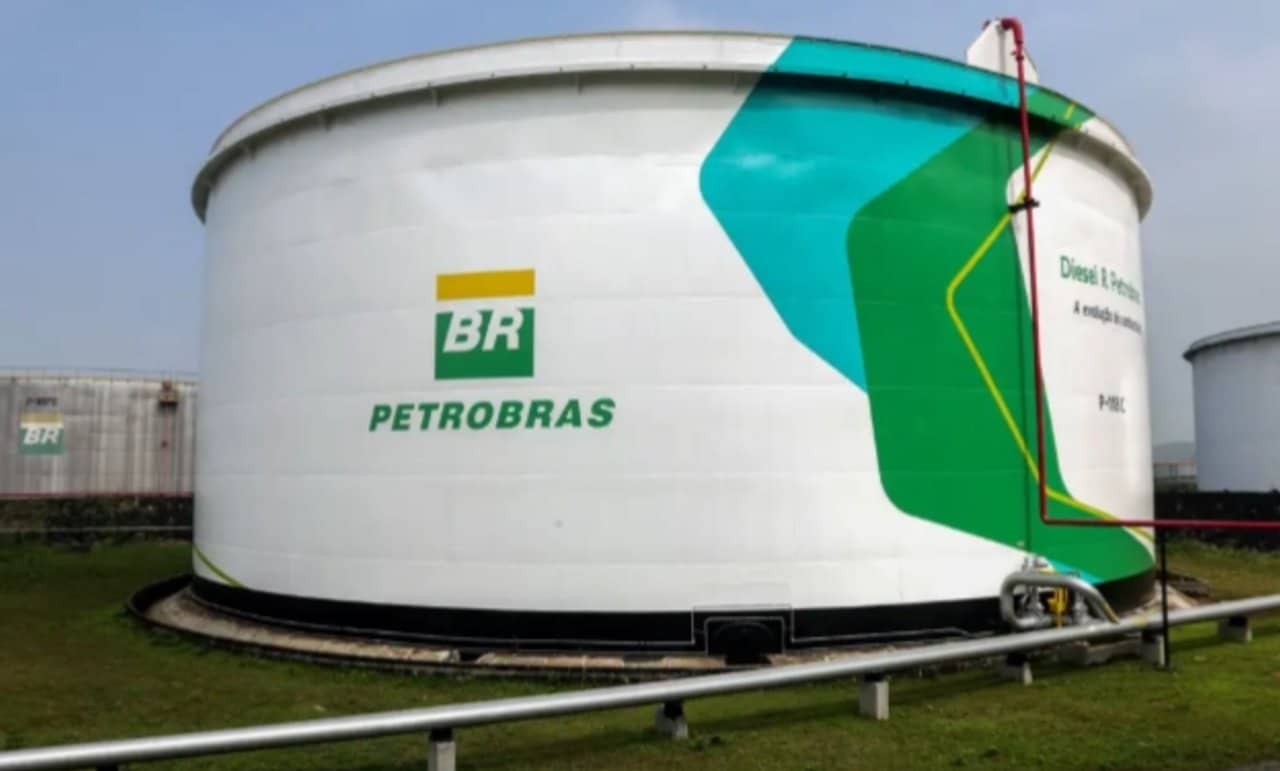
Petrobras, as the main player in fuel refining and distribution in the country, plays a crucial role in this scenario. Suas pricing policies and internal production capacity are determining factors for the stability of the national market, especially in times of global turbulence.
The company has the responsibility of balancing international parity with the purchasing capacity of the Brazilian consumer. Decisions on price adjustments at its refineries are closely monitored, as they have a ripple effect across the entire fuel value chain. Transparent communication and predictability are essential to avoid speculation.
Increases in distributors and complaints
Secretaria Nacional of Consumidor (Senacon), linked to Ministério of Justiça and Segurança Pública (MJSP), took the initiative to officiate the Conselho Administrativo of The request was for the body to analyze the recent increases in fuel prices observed in four Brazilian states and in Distrito Federal.
Senacon’s request was motivated by public statements by representatives of gas station unions, who reported increases in sales prices by distributors. The justification presented by the distributors was the supposed increase in the international price of oil, directly associated with the conflict in Oriente Médio. Essa situation raises concerns about the transparency and legitimacy of readjustments in the internal market.
Cade’s assessment of the competition
Concern about free competition motivated Senacon’s request to Cade. The request asks the body to evaluate the existence of possible signs of practices that could harm free competition in the fuel market.
Suspicious practices include attempts to influence the adoption of uniform commercial conduct or price combinations between competitors. Essas actions, if confirmed, would represent serious violations of Brazilian antitrust legislation, harming the end consumer. The actions of Cade are essential to preserve a fair and competitive market environment, ensuring that prices reflect real supply and demand conditions.
Transparency and stability for the consumer
The absence of a formal announcement of an increase in prices charged by Petrobras in its refineries, until the time of the complaints, adds a layer of complexity to the scenario. Essa disconnection between the distributors’ speech and the state-owned company’s pricing policy raises questions.
The discrepancy between the observed adjustments and the Petrobras policy highlights the importance of rigorous monitoring. Tal inspection seeks to ensure that consumer price increases are justified by real market factors. Transparency in price formation is a consumer right and a duty of market agents.



