
Automaker Fiat prepares to launch a sport utility vehicle with seven seats for 20 thousand euros

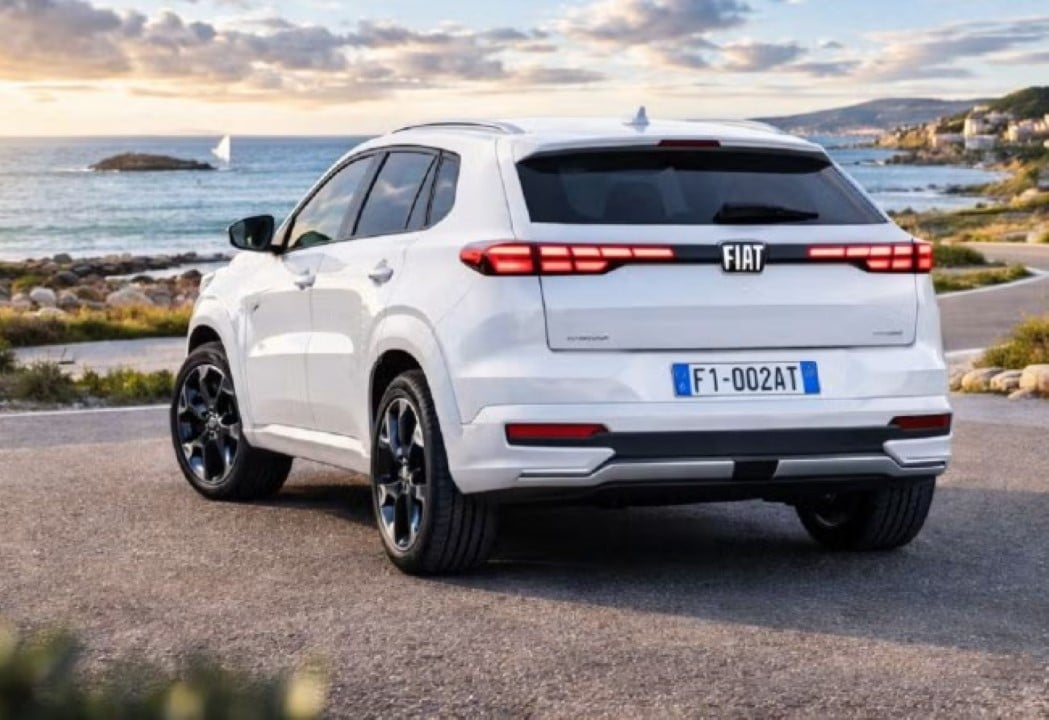
The Italian manufacturer is advancing in the structuring of its latest automotive project aimed at large families. The development of the new sports utility vehicle focuses on providing ample internal space combined with electrified engine systems. The automaker’s central proposal is to offer a practical and affordable vehicle for daily use.
The unprecedented model uses the Smart Car architecture, developed by the Stellantis group to optimize production on a global scale. Sharing mechanical and structural components with other brands within the conglomerate allows for a significant reduction in manufacturing costs. Essa industrial synergy guarantees the viability of a final product with competitive value at dealerships.
The official presentation of the car is scheduled for the second half of the year, marking a fundamental stage in the renewal of the company’s portfolio. The strategy aims to fill a specific gap in the automotive sector, delivering a car capable of transporting more passengers without the high costs associated with traditional large SUVs.
Commercial strategy and market positioning at Europa
The automaker’s commercial offensive mainly targets the entry-level family vehicle segment, competing directly with brands that dominate the offer of low-cost products. The initial price estimate for the European continent is 20 thousand euros for versions equipped with hybrid technology. Esse aggressive positioning seeks to attract consumers who need extra space, but have a limited budget to purchase a new car.
Strategic planning focuses on eliminating superfluous components that make the assembly line more expensive, prioritizing functionality and durability. The company adopts a modular design philosophy that preserves the essence of accessibility, a historic characteristic of its most popular models. The intention is to deliver a rational transport solution that meets the needs of urban commuting and road travel without compromising the safety or comfort of occupants.
The introduction of a vehicle with capacity for seven seats at an affordable price changes the competitive dynamics in the European automotive market. Famílias who previously needed to turn to the used market or invest in high-cost minivans now find a viable and modern alternative. The automaker is betting that the combination of a fair price, efficient engine and versatility of use will be the determining factor for the sports utility vehicle’s sales success in the first few months after its official launch.
Modular architecture and optimization of internal space
The engineering project establishes an estimated total length of between 4.4 and 4.5 meters for the utility vehicle’s body. Essa dimension was carefully calculated to guarantee the necessary agility in traffic in large cities, without sacrificing the cabin’s livability.
The seven-passenger configuration represents the car’s main competitive differentiator compared to its direct rivals. The intelligent distribution of seats allows for different internal arrangements, making it easier to fold the rear rows to expand the cargo compartment when necessary.
The use of internal space was maximized through the adoption of short front and rear overhangs, pushing the wheels towards the ends of the body. Essa technical solution extends the wheelbase, resulting in greater free leg area for occupants in the second and third rows.
The high roof height directly contributes to the feeling of spaciousness and improves thermal comfort inside the vehicle. Ergonomics was prioritized in all aspects of the project, from the opening angle of the doors to the height of the seats, facilitating access for children and the elderly to the interior of the car.
Visual identity and cabin functionality
The aesthetics of the new sports utility vehicle adopt a visual language based on straight lines and solid geometric shapes. The exterior design deviates from the curvilinear silhouettes common in the current market, opting for a robust appearance that directly refers to the car’s durability and family vocation. On the front, the LED optical sets incorporate pixelated elements, creating a technological and distinct lighting signature that modernizes the manufacturer’s visual identity.
The interior of the vehicle follows the same philosophy of intelligent simplicity applied to the exterior. The instrument panel and door coverings use durable and easy-to-clean materials, reinforcing the utilitarian nature of the project. Embedded technology is focused on intuitive usability, offering essential connectivity systems without the inclusion of overly complex screens that can distract the driver or increase long-term maintenance costs. Para To emphasize the model’s versatility in mixed use, engineering incorporated several practical elements into the body and cabin.
– Barras longitudinal ceiling designed to support the transport of additional luggage and sports equipment;
– Molduras plastics on the wheel arches and at the ends of the bumpers to protect against small impacts in urban traffic;
– Utilização of recycled plastics and sustainable materials in the interior finish, replacing traditional chrome inserts;
– Compartimentos storage compartments strategically distributed across all rows of seats to facilitate organization during long trips.
Propulsion systems and energy efficiency
The new utility’s engine range was structured to meet strict pollutant emissions standards, based mainly on mild hybridization technology. The system integrates a 48-volt electrical network with the 1.2 PureTech combustion engine, working together with a small electric drive built into the double-clutch transmission. Essa mechanical configuration allows the vehicle to perform parking maneuvers and drive at low speeds using exclusively the energy stored in the battery, drastically reducing fuel consumption in heavy traffic situations. Além of the hybrid variant, the manufacturer developed fully electric versions equipped with lithium iron phosphate batteries. The choice of this chemical composition guarantees an ideal balance between production cost, thermal safety and long-term durability of the components, ensuring adequate performance for everyday use with zero exhaust emissions.
Global production and democratization of mobility
The manufacturing strategy foresees the allocation of production in industrial complexes located in strategic regions, such as Sérvia and Marrocos. The choice of these facilities aims to optimize operational and logistical costs, ensuring that the automaker’s profit margin is maintained without the need to pass on high amounts to the end consumer.
This globalized production logic is the basis for the democratization of access to modern and safe family vehicles. The car was designed to be an efficient mobility tool, connected to current transport needs, consolidating the brand’s transition to an electrified portfolio without losing focus on offering popular and highly functional cars.
Projections for the family utility segment
The arrival of this model moves the automotive sector by proving that it is possible to combine large passenger capacity with clean propulsion technologies at a competitive price. Public acceptance of this new proposal will dictate the industry’s next steps in the entry-level utility category. The manufacturer reaffirms its position in the global market by delivering a product that balances advanced engineering, optimized internal space and economic viability for the common consumer.



