
BYD unveils Linghui e7 electric taxi with ultra-fast 9-minute recharge in China

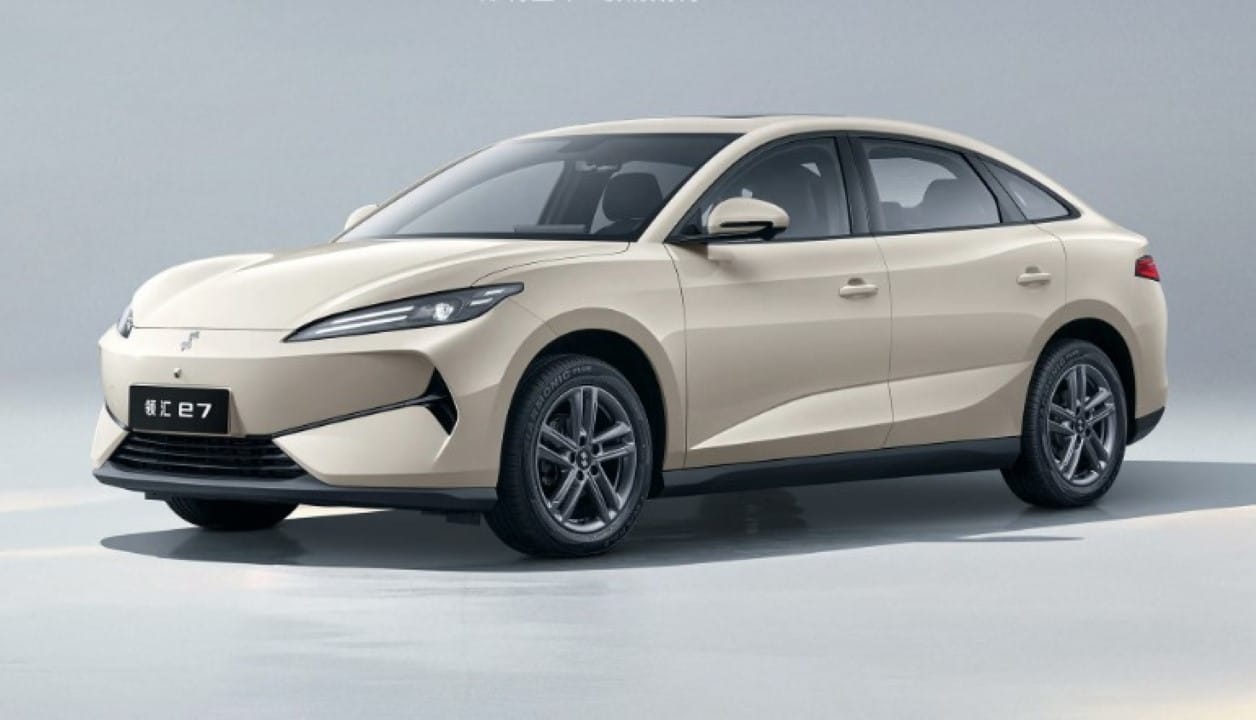
BYD presented the Linghui e7, an electric saloon developed by its low-cost sub-brand especially for the taxi and ride-hailing vehicle segment. The model incorporates flash charging technology, which allows the battery to be recharged from 10% to 97% in just nine minutes. Essa feature directly addresses the need to minimize downtime in high-turnover professional operations in Chinese cities.
The ultra-fast charging system combines the second-generation Short Blade battery with high-power stations that deliver up to 1,500 kW per connector. Speed reduces vehicle idle time and increases economic efficiency for drivers and fleet owners. The solution positions BYD as a reference in electric mobility aimed at intensive use.
Main features of flash charging technology
- Recharges from 10% to 70% in about five minutes
- Range from 10% to 97% in nine minutes
- Maximum power of 1,500 kW per connector
- Compatibility with expanding station network
This configuration allows the vehicle to quickly return to operation after a short stop. The technology overcomes common limitations in conventional trams and facilitates adoption in urban transport services.
Linghui e7 technical specifications
The sedan is 4.78 meters long and has a wheelbase of 2.8 meters, dimensions suitable for passenger comfort and internal space in taxis. The design follows the pattern of BYD’s Ocean series, with aerodynamic lines, a closed front and a continuous light signature at the rear.
The higher performance version features a 130 kW electric motor, equivalent to 174 hp. Ranges vary from 450 to 550 kilometers depending on the battery capacity chosen. Essas specifications guarantee prolonged running on dense urban routes.
The model offers different configurations to meet varied demands of fleet operators. The reinforced structure withstands the daily wear and tear typical of app and taxi vehicles.
Advantages over the battery exchange system
- Ultra-fast recharge time without the need for physical replacement
- Simpler infrastructure with lower initial cost
- Compatibility with vehicles already on the network
- Planned expansion to 20 thousand stations in 2026
BYD is betting on fast recharging as a viable alternative to changing batteries promoted by competitors such as CATL. Enquanto replacement takes around 90 seconds, requires specialized stations and specific adaptations to the cars. Flash charging uses a more accessible and rapidly growing network.
Objectives of the Linghui sub-brand in the professional market
The Linghui was launched in February 2026 with an exclusive focus on vehicles for professional and shared transport. Além from e7, the range includes the fully electric Linghui e9 and the plug-in hybrid Linghui M9, a high-capacity minivan for collective services.
The sub-brand maintains competitive prices without compromising BYD’s advanced technologies. The strategy reinforces the company’s presence in the large-volume urban fleet segment in China.
Expansion of the ultra-fast charging network
The company already operates more than 4,200 flash charging stations in the country. The plan foresees reaching 20 thousand units in 2026, expanding coverage to support models such as the Linghui e7 in several regions.
This infrastructure facilitates the transition from traditional to electric fleets. The speed of recharging makes the vehicle economically attractive for drivers who depend on high daily use.
The Linghui e7 demonstrates the practical application of BYD battery and charging innovation. The model combines sufficient autonomy with minimum stopping time, meeting real requirements of the taxi and app market.




