
Chile warns of El Niño: imminent arrival promises heavy rains and extreme droughts in the country

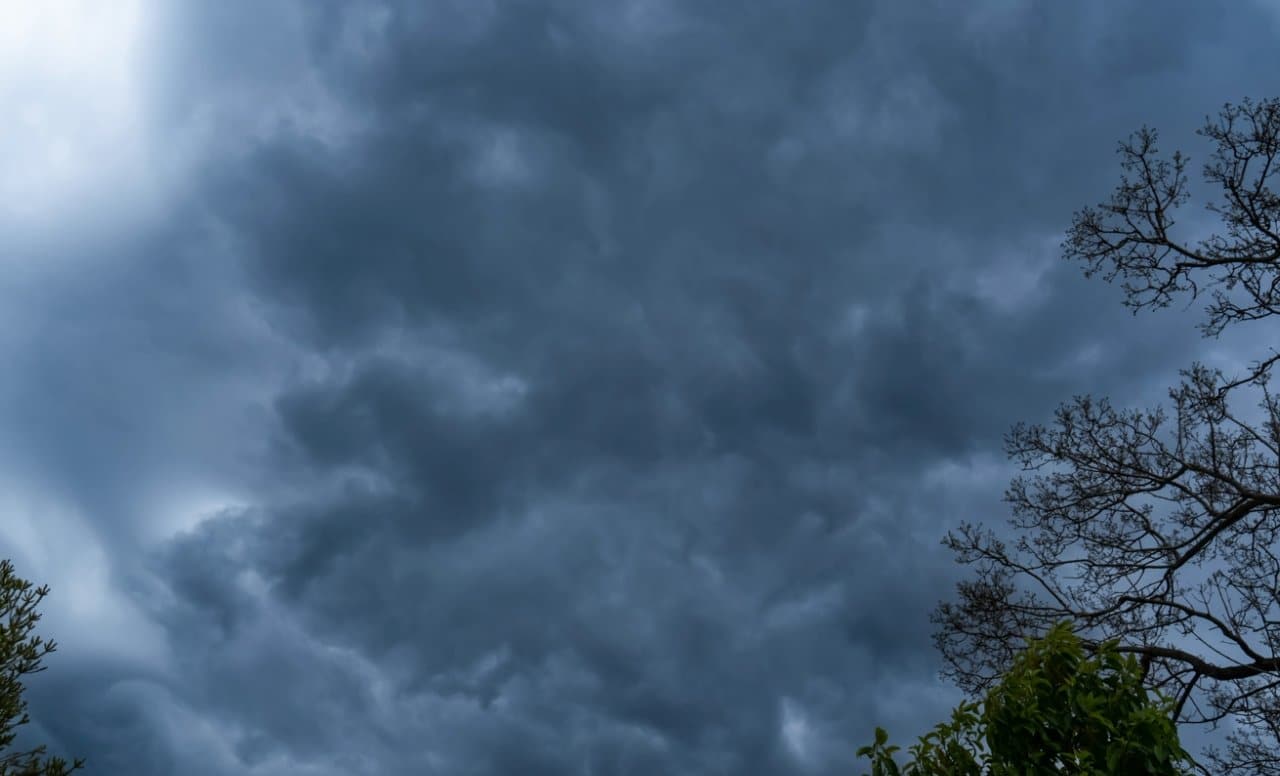
Chilean authorities are on alert as the El Niño phenomenon approaches, which is expected to intensify weather events in the region. Este natural event, characterized by the abnormal heating of the waters of the Oceano Pacífico, has the potential to trigger a series of significant changes in atmospheric conditions, with impacts extending from the center to the south of the country. The forecast indicates a substantial change in the pattern of rainfall and temperatures, generating concerns among the population and productive sectors, which are preparing for scenarios of intensified climate challenges.
The Centro Europeu of Previsões Meteorológicas of Médio Prazo (ECMWF) had already signaled the arrival of this phenomenon. With the end of summer approaching, the expectation is that its consequences will begin to be felt more strongly in the coming weeks. Changes in ocean surface temperatures are one of the main drivers behind these disturbances, directly influencing the distribution of heat and moisture in the global atmosphere, with notable repercussions on América and Sul.
The main expected consequences include prolonged droughts in some areas, extreme heat waves and an increased risk of flooding in others due to torrential rain. Esses events can affect everything from agriculture and water supply to urban infrastructure and public health, requiring contingency plans and preventive actions on the part of government bodies and civil society.
Understanding El Niño and its expected impacts
The El Niño phenomenon is a large-scale natural climate variation that occurs in the tropical Oceano Pacífico, resulting in the warming of surface waters in the Pacífico Centro-East. Este warming, when it exceeds 2 degrees Celsius above average, can change global climate patterns, influencing oceanic and atmospheric currents, which leads to a series of effects in different regions of the planet, including Chile. Its occurrence is not an isolated event, but part of a climate cycle that repeats at irregular intervals, generally every two to seven years.
In the Chilean context, the consequences of El Niño are varied and can be severe. The rise in ocean temperatures causes a reorganization of atmospheric pressure systems, affecting the trajectory of cold fronts and the intensity of precipitation. The population and various economic sectors, such as agriculture and mining, need to adapt to these new conditions to mitigate losses and ensure safety.
Weather alerts for rain and temperatures
Climate projections for Chile under the influence of El Niño point to a notable increase in rainfall in certain regions, especially in the central zone of the country. According to experts, including meteorologist Jaime Leyton of Mega, there is a significant probability, estimated at between 60% and 70%, that late autumn and early spring will see an increase in precipitation. Este scenario differs from normal conditions, where winter tends to concentrate most of the rain.
The extension of winter conditions into spring, as predicted by Leyton, implies that the regions of Coquimbo, Biobío and La Araucanía may experience higher than usual rainfall. Embora the expert classifies this El Niño as “normal to moderate”, and not strong, the importance of preparing for possible floods is crucial. Drainage infrastructure, especially in urban areas, will be put to the test, and preventing landslides on vulnerable slopes becomes a priority.
At the same time, the occurrence of heat waves becomes more frequent and intense. Rising temperatures could worsen the drought situation in other areas, creating a sharp climate contrast within Chilean territory. Regiões that do not receive the benefit of additional rainfall may face water shortages, affecting agricultural production and the availability of water resources for human consumption and other essential activities.
Preparation and preventive measures
Given the scenario of climate change driven by El Niño, preparation and adoption of preventive measures are essential to minimize adverse impacts. Governos local and national locations are developing and reviewing contingency plans, which include everything from cleaning drains and drainage channels to awareness campaigns for the population on how to act in the event of floods or heat waves. Anticipation is the key to protecting lives and property.
Water management is one of the crucial points. In regions prone to drought, it is essential to promote the conscious use and optimization of water resources, in addition to considering the implementation of reuse and desalination technologies. Já in areas at risk of flooding, constant monitoring of river and tributary levels, together with early warning systems, allows for more efficient and safer evacuations, safeguarding the integrity of communities.
Challenges for agriculture and economy
The Chilean agricultural sector is particularly vulnerable to climate variations caused by El Niño. Prolonged droughts can compromise harvests, reduce productivity and increase production costs, impacting food security and the rural economy. On the other hand, excessive rainfall can lead to crop loss due to flooding, soil erosion and the proliferation of plant diseases, resulting in significant losses for farmers.
Climate unpredictability requires producers to adopt more resilient agricultural practices, such as using seeds adapted to extreme conditions and implementing more efficient irrigation systems. The government, in turn, can offer support through subsidies, crop insurance and training programs to help farmers meet these challenges. Crop diversification and the adoption of sustainable techniques are also important strategies to mitigate economic risks.
Continuous monitoring and regional collaboration
Constant monitoring of El Niño and its manifestations is vital for making effective decisions. Instituições Weather forecasters in Chile and across the region continue to monitor oceanic and atmospheric indicators, using advanced models to refine forecasts and issue timely warnings. Collaboration between América and Sul countries is equally important, since the phenomenon transcends borders and its effects can be felt on a large scale.
The exchange of information and experiences between nations allows for a more complete understanding of El Niño and the development of joint strategies to face it. Iniciativas research and development of new forecasting and mitigation technologies are essential to strengthening regional response capacity. Public awareness about the phenomenon and its potential risks also plays a fundamental role in building more prepared and resilient communities in the face of climate adversity.
Adaptation in urban and coastal areas
The urban and coastal areas of Chile will also face specific challenges with El Niño. In cities, increased rainfall can overload drainage systems, causing flooding on public roads, homes and commercial establishments. Sea level rise, although less immediate, is a long-term concern for coastal communities, which could experience erosion and damage to port and tourist infrastructure.
For cities, investments in green infrastructure, such as parks and water-absorbing roofs, can help manage storm runoff. Reviewing and improving building codes for hazardous areas is equally important. Nas coastal regions, urban planning must consider the protection of ecosystems such as mangroves and dunes, which serve as natural barriers against erosion and sea rise, protecting communities and economic assets.
Public health on alert
El Niño also presents risks to public health. Ondas Extreme heat can lead to heatstroke, dehydration and worsen pre-existing medical conditions, especially in the elderly and children. Já floods increase the risk of water-borne diseases, such as leptospirosis and cholera, in addition to favoring the proliferation of disease vectors such as the Aedes aegypti mosquito, which transmits dengue and chikungunya, in some areas.
Health authorities are preparing contingency plans, which include reinforcing emergency services, hydration campaigns and vector control measures. Educating the population about personal hygiene and basic sanitation in flood situations is crucial to prevent the spread of diseases. Attention to mental health is also important, as extreme weather events can cause stress and anxiety in affected communities.



