
Chinese man is detained in Nairobi with 2,238 queen ants smuggled in test tubes and toilet paper

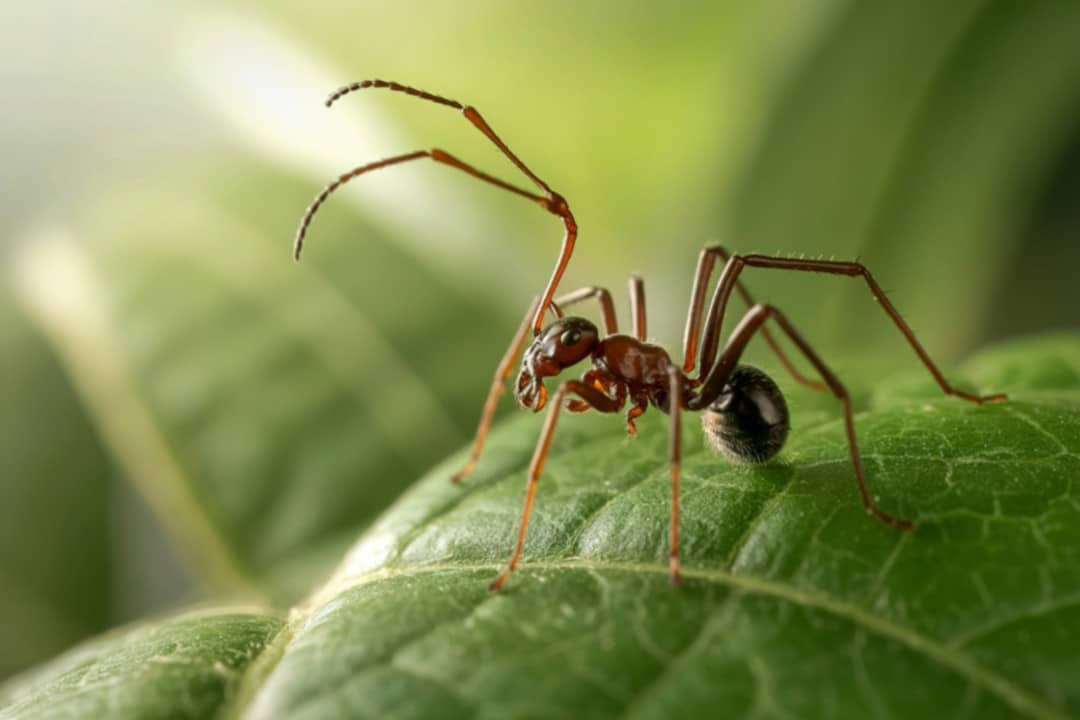
Kenyan authorities detained a Chinese national, Zhang Kequn, on Aeroporto Internacional Jomo Kenyatta, on The arrest occurred on Tuesday, March 10, as the man was preparing to board a return flight to China. Ele was caught with an unusual shipment of 2,238 live ants hidden in his luggage.
The discovery was made during a routine inspection, revealing the ingenious scheme used for illegal transport. The case reignites debates about wildlife trafficking and the growing demand for exotic species on the international market, highlighting the complexity and sophistication of the criminal networks involved in this type of illicit activity.
Zhang Kequn, 27, is not unknown to authorities. Ele had managed to escape from prison the previous year, in connection with an alleged ant trafficking network that had been dismantled. Sua’s previous escape had resulted in a “blocking order” being issued on his passport, a crucial detail that raised questions about how he managed to travel before being re-identified.
Details of the seizure and the method of smuggling
The seizure of the queen ants revealed the creativity and meticulousness of the smugglers. Dentro of Zhang Kequn’s luggage, the agents found the insects packaged in two distinct and strategic ways, aiming to evade inspection. Most of the shipment was housed in test tubes, while another portion was camouflaged inside toilet paper rolls.
According to reports from public prosecutor Allen Mulama during the court hearing on March 11, 1,948 garden ants were discovered carefully packed in test tubes. Adicionalmente, another 300 live ants were located inside three rolls of toilet paper, meticulously hidden to avoid detection.
Suspect’s history and trafficking network
The trajectory of Zhang Kequn indicates a deeper participation in ant trafficking. Após his arrest, he would have revealed to authorities the identity of his three ant suppliers. Essa information is vital for investigations and can lead to new arrests and the dismantling of other links in the trafficking chain.
Investigators suspect that Kequn is the mastermind behind an already known trafficking network. In May 2025, four men were sentenced to a year in prison and fined $7,700 after trying to smuggle thousands of ants from Quênia. Kequn managed to escape at the time, leaving the country with a different passport, which allowed his temporary freedom and the continuation of his illicit activities.
During the ongoing investigations, Zhang Kequn’s cell phone and laptop will be subjected to forensic examination. Essa measure aims to extract crucial information about the network structure, contacts, operation methods and potential buyers. Duncan Juma, senior official of Serviço of Vida Selvagem of Quênia (KWS), has already indicated that more arrests related to ant trafficking and collection are expected as the evidence is analyzed.
The growing demand for queen ants on the illegal market
Trafficking in queen ants, such as Messor cephalotes, has become a worrying phenomenon, driven by a growing niche market in Europa and Ásia. In Nessas regions, people raise these ants as pets, often as a hobby or for collections, generating a demand that fuels the illegal trade. The practice, although it may seem harmless to some, has serious ecological and legal implications.
Queen ants are essential for establishing new colonies. The mass removal of these individuals from nature can unbalance local ecosystems, affecting biodiversity and natural processes, such as soil aeration and seed dispersal. Serviço of Vida Selvagem of Quênia (KWS) had already warned about the pressure exerted on the country’s ecosystems due to the increased demand for these “garden pets”.
The Quênia, with its rich biodiversity, has become a point of origin for several trafficked species. The ease of access to certain species and international demand create a favorable environment for smugglers to operate. The public’s lack of knowledge about the consequences of the trade in exotic animals, even small ones like insects, contributes to the perpetuation of this cycle.
The legal implications and continuity of investigations
The case of Zhang Kequn is not just restricted to the possession of ants, but involves a complex scenario of international species trafficking. Kenyan laws, as well as international conventions, severely criminalize wildlife trafficking, with penalties including imprisonment and large fines. Kequn’s recidivism and his alleged leadership of the network could result in a stricter sentence, serving as a warning to others involved.
International cooperation is essential in combating crimes like this, which transcend borders. Analysis of the suspect’s cell phone and laptop, for example, can reveal connections to organizations in other countries, allowing authorities to work together to dismantle global operations. The exchange of information between security and wildlife agencies from different nations is a crucial pillar in stemming the flow of illegal species.
Efforts against wildlife trafficking in Quênia
The Serviço of Vida Selvagem of the Quênia (KWS) plays a fundamental role in protecting the country’s fauna and flora. With teams dedicated to monitoring airports, borders and national parks, the agency works tirelessly to curb animal trafficking. The arrest of Zhang Kequn is an example of the results of these ongoing efforts, which seek to preserve Kenya’s rich natural heritage and combat environmental crime in all its forms.
The role of the international airport in inspection
International airports like Jomo Kenyatta are critical points on the front line against trafficking. Constant surveillance, the use of advanced detection technology and the training of agents are essential to intercept illegal cargo and prevent threatened or regulated species from entering or leaving the country. Este specific case highlights the importance of coordination between different security agencies to ensure the integrity of wildlife.



