

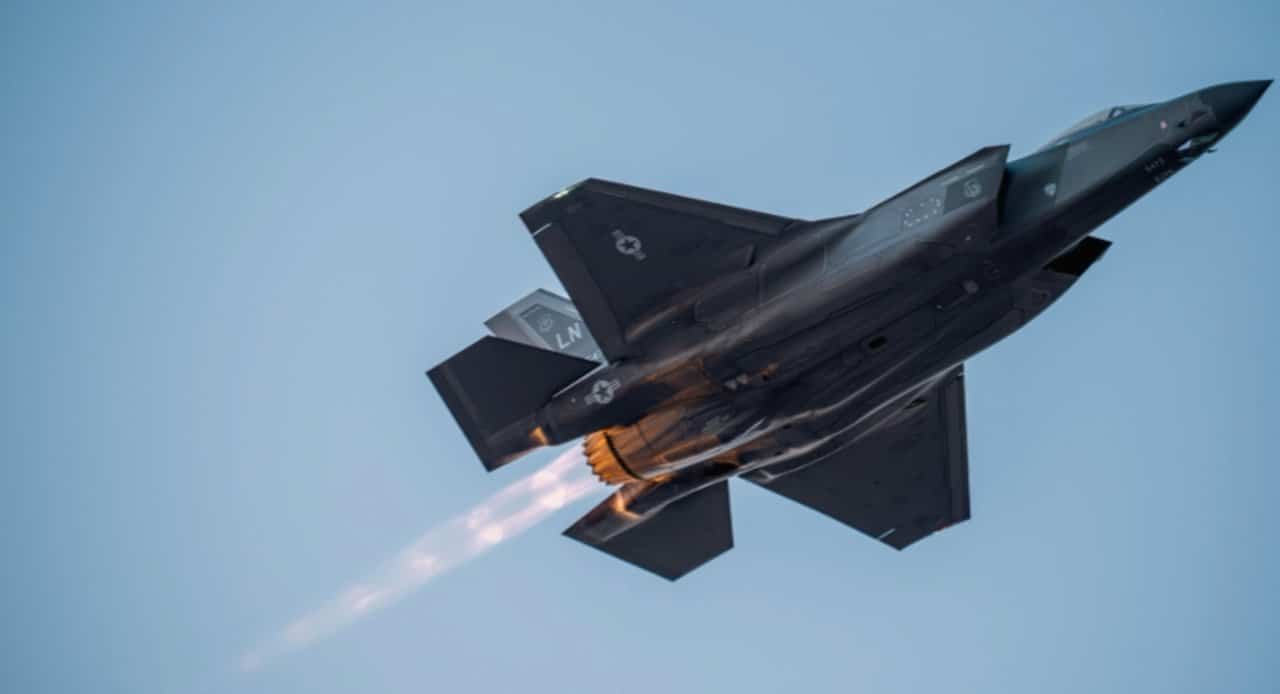
The intensification of hostilities in Oriente Médio alters global security dynamics and directly affects commercial shipping. Forças military personnel of Israel and Estados Unidos maintain active operations against strategic positions of
Citizens of different nationalities, including Indians, suffer the direct consequences of this territorial expansion of military operations. Incidentes recent events at sea demonstrate the vulnerability of logistics routes, with reports of vessels being hit, crew members injured and people missing during the transit of essential goods.
The international community monitors the logistical and humanitarian situation in the Golfo Pérsico region. The advancement of war actions requires rapid adaptations from governments and maritime transport companies to guarantee the integrity of civilians and the continuity of the global supply of supplies.
Territorial expansion of military operations
The direct confrontation completed twelve days of uninterrupted activities, marking a change in the defense and attack posture of the countries involved. The Iranian government began launching missiles and drones against territories in Bahrein, Kuwait, Catar, Arábia Saudita, Emirados Árabes Unidos and Jordânia.
The offensive contradicts previous statements by the Iranian leadership about preserving neighboring nations. The new military strategy creates an environment of instability throughout the Golfo, forcing commercial routes to rethink their routes to avoid areas at imminent risk of bombing.
Offensive against energy complexes
The Forças of Defesa of Israel, operating with tactical support from the The mission’s focus was on the destruction of oil depots and distribution centers, fundamental elements for maintaining the operational and logistical capabilities of the Irã armed forces. The IRNA news agency confirmed that the Shahran oil complex, located in the southern portion of Teerã, suffered severe structural damage following the detonations.
Visual records from the scene indicated the formation of large columns of smoke over the Iranian capital, highlighting the magnitude of the damage to fuel reserves. The government of Israel assumed responsibility for the actions, declaring that the neutralization of these stocks aims to reduce the mobility and firepower of opposing troops. The systematic destruction of economic and military targets alters the balance of forces and imposes additional difficulties on the continuity of defense operations on Iranian territory.
Safety in international maritime traffic
The Estreito of Ormuz, a fundamental passage for global fuel transport, has become one of the most critical points in the current scenario. On March 11, a Thai-flagged cargo ship suffered a direct attack while sailing through the region, carrying twenty-three crew members.
The incident resulted in the disappearance of three maritime workers, raising the alert level for all commercial fleets operating in the corridor. On the same day, UK Maritime Trade Operations recorded the collision of another cargo vessel north of Omã, followed by a fire that forced the total evacuation of the team on board.
Maritime insurers assess growing risks, while logistics companies face increasing costs of operations. The difficulty in ensuring the passage of merchant ships requires rapid international coordination to avoid the collapse of supply chains that depend on Golfo Pérsico.
Humanitarian situation and emergency shelters
Líbano is home to one of the largest civilian displacement crises since the start of joint Israel and Estados Unidos operations at the end of February. Dados of Ministério of Assuntos Sociais indicate that approximately seven hundred and eighty thousand citizens had to leave their homes due to the bombings.
Local authorities face extreme difficulties in accommodating the volume of people on the move. Cerca of one hundred and twenty thousand individuals currently occupy adapted government facilities, which operate above maximum capacity and have a shortage of basic resources.
Food and medicine distribution logistics encounter operational barriers due to insecurity on highways. Organizações of assistance are trying to establish safe corridors to ensure the arrival of supplies to the most isolated shelters in the country.
The continuation of hostilities worsens sanitary conditions in the temporary camps. The lack of adequate infrastructure for such a large number of displaced people requires urgent interventions from international humanitarian aid agencies.
Diplomatic and consular protection measures
Continued instability has forced foreign governments to reassess the presence of their diplomatic corps in the highest risk zones. Austrália ordered the immediate closure of its embassies located in Abu Dhabi and Tel Aviv, in addition to suspending the activities of the consulate in Dubai, as a preventive measure to protect the physical integrity of its employees and citizens. The decision reflects the international view that the conflict shows no signs of resolution in the short term and that the region’s capitals are susceptible to unforeseen air attacks. Paralelamente, security authorities in
Positioning on oil supply
The government of the Estados Unidos has publicly stated that the current global oil supply is sufficient to absorb the shocks caused by military operations. The American administration projects that the armed intervention will have a limited duration, focused on eliminating Iranian offensive capabilities, which would avoid permanent fluctuations in international energy prices and guarantee the stability of financial markets.
Occurrences in airport and urban areas
The scope of the attacks affected high-traffic civilian infrastructure, such as Aeroporto Internacional of Dubai, where the crash of two drones caused injuries to four people. The victims include citizens of Gana, Bangladesh and Índia, showing that foreign workers are exposed to the same risks as the local population.
On Iranian territory, operations in the city of Aligudarz resulted in nine confirmed fatalities, including high-ranking officers from Guarda Revolucionária Islâmica. The logistical consequences of the war also reached Ásia, where commercial establishments in Índia suspended activities due to a lack of ingredients retained in the maritime blockade of Estreito and Ormuz.



