
Djokovic faces fatigue and is surpassed by Jack Draper in the round of 16 at Indian Wells in a fierce duel

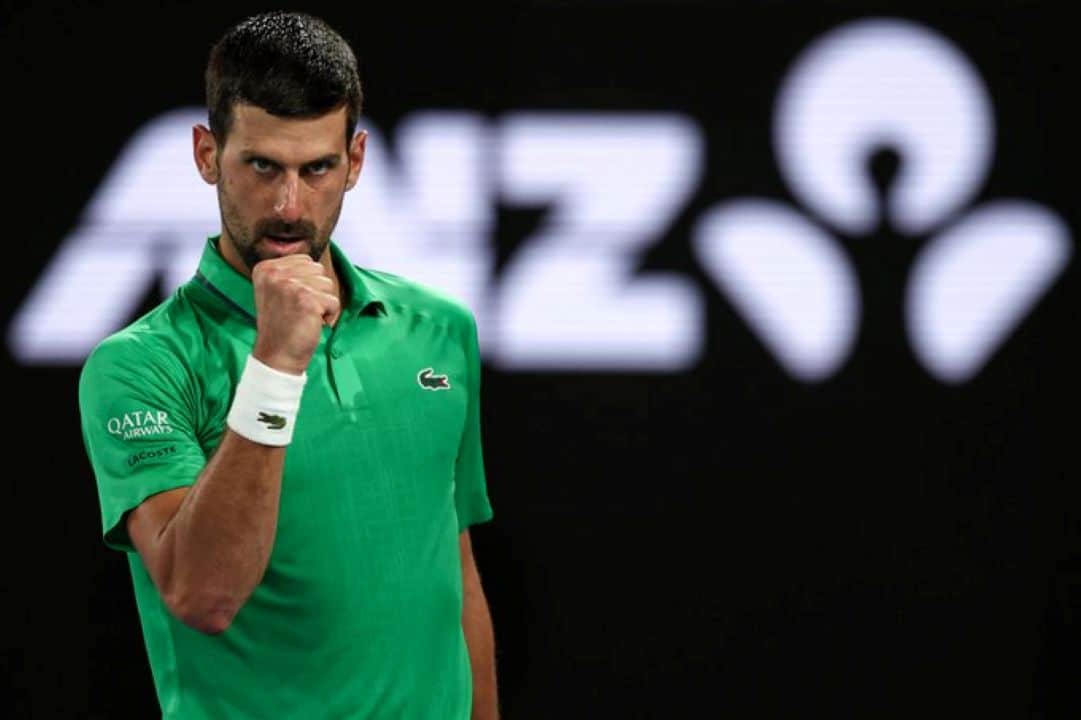
The five-time Indian Wells champion, Novak Djokovic, was eliminated in the round of 16 of the prestigious tournament. In a match marked by intensity and decided in detail, the Serbian tennis player was overcome by the British Jack Draper. The final score, 2 sets to 1, with partials of 4/6, 6/4 and 7/6 (7/5), reflected the disputed nature of the confrontation that held the attention of fans for more than two hours.
Despite having started the duel with an advantage in the first set, Djokovic, who currently occupies third place in the world rankings, was unable to maintain the high intensity necessary for the long exchanges that characterized the game. Visíveis signs of fatigue were noticed at crucial moments, impacting his performance and culminating in his elimination.
The defeat to Draper represents an unexpected setback for the Serb, who was seeking his sixth title at Indian Wells, one of the most important tournaments on the ATP calendar. The early elimination raised discussions about the athlete’s physical preparation and the emergence of new talents on the circuit.
The intense battle and the wear and tear of the five-time champion
The match started with a dominant Novak Djokovic, breaking Draper’s serve and seeming to control the actions. Sua experience and skill on hard courts, characteristics that led him to countless titles, were evident at the beginning. Contudo, the youth and aggressiveness of the British Jack Draper began to make a difference as the game progressed.
Draper, with a powerful and varied game, managed to equalize the forces and exploit what seemed to be a slight slowdown in his opponent. Djokovic’s fatigue became an increasingly prominent factor, especially in the longer and more demanding exchanges, where the Serb, known for his stamina, showed signs of physical wear and tear.
Djokovic’s harsh reflection after elimination
After the match ended, Djokovic did not hesitate to express his mixed feelings about the defeat, a rare experience for an athlete of his caliber. Ele described the feeling as “bitter”, a natural reflection of the frustration of being eliminated from such a significant tournament. However, the Serbian tennis player made a point of highlighting his pride in the dedication and effort shown on the court, stating that he fought with all his strength.
The champion highlighted the balanced nature of the game, recognizing his opponent’s remarkable performance. “I lost to a great player today, in an incredibly even two and a half hour match,” he said, demonstrating fair play. Djokovic’s reflection also included the importance of never giving up, a lesson he carries from every confrontation, even in defeat.
Despite the initial disappointment, which he considered natural in the first few minutes after the game, Djokovic reiterated his desire to have performed even better. The ability to self-criticize and the constant search for evolution are hallmarks of his career, and even in moments of setbacks, he remains focused on learning and growing with his experience on the court.
Exhausting rallies and the physical toll at key moments
The confrontation in Indian Wells was marked by rallies that tested the limits of both tennis players, especially in the third set. One of the most memorable points occurred in the first game of the decisive set, with the score at 30 equal, where Djokovic and Draper carried out an impressive sequence of 26 ball exchanges. Esse spectacular rally, which included lobs and left in the net, was won by the Serb, but took a considerable physical toll.
After winning the point, Djokovic needed a few minutes to catch his breath, a clear indication of the wear and tear he had been accumulating. Fatigue manifested itself decisively in other crucial moments, affecting the reaction speed and precision of the world number 3’s strikes. Energy management in long and intense matches is a determining factor, and in this match, the Brit managed to maintain a more constant pace.
The impact of fatigue was evident on Djokovic’s service, especially in important games. Embora demonstrated his usual resilience, the inability to convert some opportunities and the occurrence of unforced errors at key moments were attributed to the accumulation of physical effort. Este scenario highlights the importance of physical fitness at the highest levels of professional tennis.
The weight of each point in the tie-break decision
The tension of the match escalated, and after almost two and a half hours, the fate of the match was sealed in an electrifying tie-break in the third set. Djokovic analyzed the influence of physical exhaustion in the final moments, explaining how exhaustion directly affected him. Ele mentioned the epic rally at the beginning of the third set, which, despite being victorious, left him “completely without energy” for the following sequences.
The Serbian tennis player detailed the struggle to catch his breath and the impact of this on his performance. Ele lamentou um game de saque ruim quando liderava por 5 a 4, momento em que sentiu o apoio da torcida, que tentava impulsioná-lo. Apesar close to victory, he made some “unfortunate mistakes” that were crucial to the opponent’s comeback. In the tie-break, the lead alternated, with Djokovic reaching 4-3 and then tying at 5-5, but without being able to close.
The unpredictable nature of tennis, where every point can be decisive, was a recurring theme in Djokovic’s analysis. Ele recognized that, even with experience and skill, the sport can hold surprises, and the margin for error is minimal in high-level clashes. The defeat served as a reminder of the competitiveness and constant challenges athletes face in the pursuit of excellence.
Confrontation breakdown: strategies and twists
The match between Djokovic and Draper was a study in contrasts and tactical adaptations. At first, Djokovic tried to impose his characteristic rhythm, moving Draper from one side of the court to the other. However, the young Brit demonstrated a remarkable counter-attacking ability, using his powerful left and serve to create difficulties. Draper refused to be merely defensive and actively sought the baseline to dictate the pace at various times.
As the game progressed, Draper’s strategy of lengthening rallies and forcing Djokovic to cover more ground began to take effect. With each set, the Briton’s confidence grew, while the Serb seemed to struggle more to find his ideal rhythm. Breaks of serve became rarer and more precious, and the psychological pressure increased with each game, culminating in the tie-break decision, where Draper’s mental and physical resilience proved superior.
The rise of Jack Draper and the future of the tournament
The victory over Novak Djokovic on such an important stage as Indian Wells represents a significant milestone in the career of the British Jack Draper. The tennis player, who has shown constant growth on the circuit, demonstrated maturity and ability to overcome one of the biggest names in the history of the sport. Este triumph undoubtedly puts him in the spotlight and consolidates his position as a promise to be watched closely in the coming years.
With the elimination of Djokovic, the path to the title in Indian Wells opens up even more for other competitors. Draper advances to the quarterfinals, where they will have the challenge of facing Daniil Medvedev, another high-level player and one of the favorites for the trophy. The competition promises to be intense, with new talents and veterans seeking glory in one of the most coveted tournaments in tennis.
Legacy and resilience: the career of Djokovic
Despite the defeat, Novak Djokovic’s trajectory in tennis continues to be one of the most impressive and inspiring in the sport. Sua ability to overcome adversity, adapt and remain at the top for so many years is a testament to your unparalleled dedication and talent. Mesmo em momentos de revés como este, a lição de persistência e a busca incessante pela excelência permanecem como pilares de seu legado. Cada match, victory or defeat, adds a new layer to the rich narrative of one of the greatest champions in world tennis.



