
GAC GS3 launches combustion SUV in Brazil in pre-sale, challenging electrified vehicles and direct competition

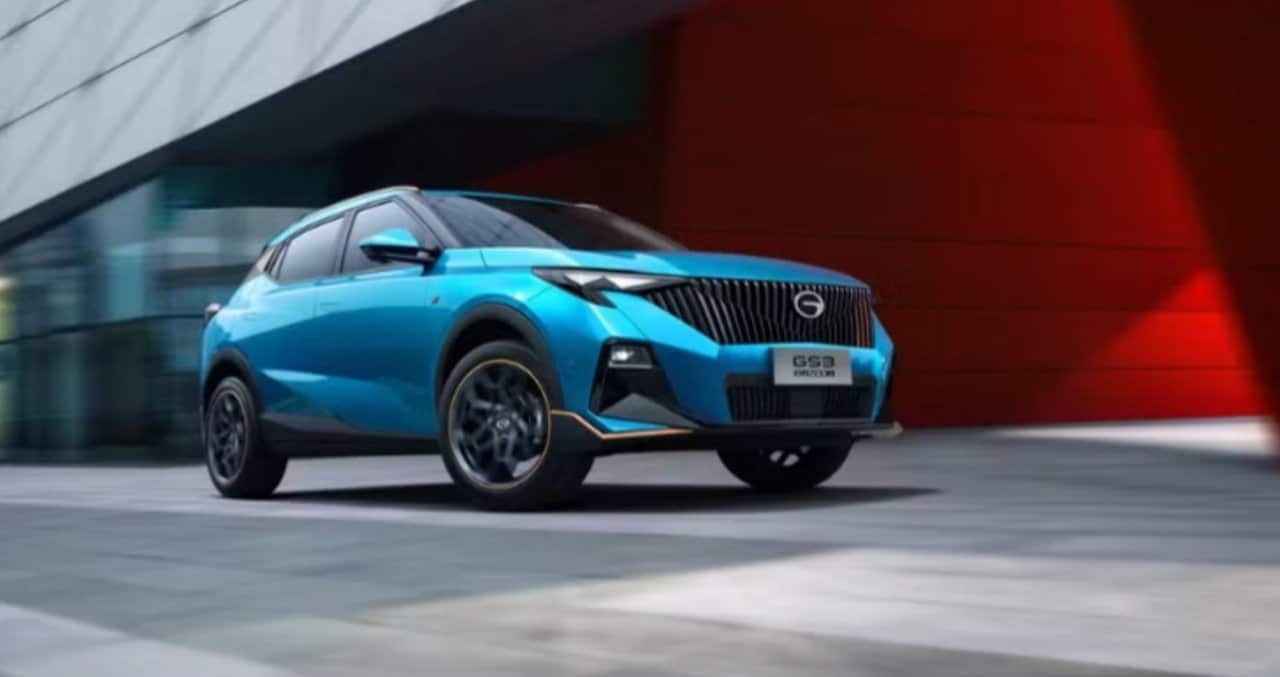
The GAC GS3, the new sports utility vehicle from Chinese automaker Guangzhou Automobile Group Motor (GAC), marked its debut in the Brazilian market this Friday (6). The launch follows a strategy that contrasts with the recent wave of electrified vehicles, focusing exclusively on a combustion engine.
The pre-sale of the SUV began with a down payment of R$4,000, and the first units are scheduled to be delivered to consumers in the last two weeks of March. Embora the official price has not yet been released by GAC, information found indicates that the vehicle will cost less than R$200,000.
This approach positions GAC GS3 as a direct competitor in an already saturated segment in the country. The model will seek space against popular SUVs such as the Volkswagen T-Cross and Hyundai Creta, focusing on bold design and technical specifications that promise performance.
Bold and sporty design stands out
The design of the GAC GS3 breaks with the minimalism often associated with vehicles of Chinese origin, adopting an approach that emphasizes sportiness. Essa characteristic is notable in several external elements of the SUV, giving it a unique visual identity in the segment.
The rear of the vehicle, for example, features an exhaust with double chrome tips and diffusers. The predominant lines are angular and marked, with accentuated creases in the body, aerofolysis and a futuristic design in the headlights and taillights, evoking references to other vehicles with sporting proposals.
Performance and robust engine
Para To support its promise of sportiness, the GAC GS3 arrives on the Brazilian market with a single engine option, focused on delivering power and agility. The SUV is equipped with a 1.5 turbo engine, capable of generating 170 horsepower, placing it at a high level compared to many of its direct competitors.
This engine is coupled to an automated dual-clutch transmission, a combination that aims to optimize performance and gear shifting efficiency. Essa configuration is an important differentiator in a market where many compact SUVs offer engines with lower output.
In terms of comparative performance, the GS3’s engine stands out. Entre SUVs of similar dimensions, it is only surpassed in power by the 1.6 turbocharged engine found in the most expensive version of the Hyundai Creta, indicating a more dynamic driving proposal for the Chinese model.
Strategic dimensions in the national market
The dimensions of the GAC GS3 are a crucial point in its market strategy, positioning it in an interesting way between compact and medium SUVs. With a length of 4.41 meters, the vehicle is approximately 20 centimeters longer than the Volkswagen T-Cross.
In addition to the length, the GS3 also features a width increased by 9 centimeters compared to the T-Cross, providing potentially more generous internal space. Contudo, the wheelbase is the same as the Volkswagen rival, which suggests a balance between habitability and agility.
This combination of measurements makes the GAC GS3 closer, on the measuring tape, to medium-sized SUVs, such as the Volkswagen Taos. Este positioning allows the Chinese model to compete with customers in both the premium compact segment and those looking for a vehicle with more space and presence.
GAC’s strategy is to offer a car that, although it can be seen as a compact SUV due to its name, delivers the dimensions of a larger model, seeking to meet the demand for spacious vehicles without moving into the price range of more expensive medium SUVs.
Sophisticated interior and complete equipment list
When entering the GAC GS3, the Western inspiration in the interior design is clearly present, although the Chinese origin can be seen in some minimalist details in the textures of the panel finish. The cabin was designed to offer a modern and comfortable experience, prioritizing ergonomics and onboard technology. The SUV is equipped with a 14.6-inch multimedia center, dominating the center console and providing an intuitive interface for various features.
The GAC GS3’s list of standard equipment is quite comprehensive, divided into two versions, Elite and Elite Plus. In version The in-person key and push-button start system guarantee everyday convenience.
Advanced features in elite plus version
The GAC GS3 Elite Plus version raises the level of technology and safety even further, adding a series of advanced features that put it on par with premium vehicles on the market. Entre The highlights include the adaptive cruise control, which automatically adjusts the speed and distance to the vehicle in front, the automatic emergency braking, a crucial system for avoiding collisions or mitigating their impacts, and the lane keeping assistant, which helps keep the car centered on the road. Além In addition, the 360-degree camera offers a panoramic view of the vehicle’s surroundings, facilitating parking and maneuvering. Para completes the luxury and convenience package, the Elite Plus version features a panoramic sunroof, which provides a feeling of spaciousness and brightness in the cabin, and 19-inch alloy wheels.
GAC: the Chinese giant expanding globally
Guangzhou Automobile Group Motor (GAC), the fifth largest car manufacturer in China, entered the Brazilian market last year. The company, with a history dating back to 1955, has established itself as a global player in the automotive sector.
Recognized for developing its own vehicles, GAC also acts as a manufacturer for big names such as Mitsubishi, Honda and Toyota. Essa capacity attests to its expertise and high production capacity, consolidating its reputation on the international automotive industry scene.
Strategic partnerships and ambitious goals
GAC maintains a strong presence in the Chinese automotive market, proven by the 2.52 million vehicles sold in 2023, and employs around 110 thousand people. Além of its own production, the automaker has established important strategic partnerships, such as collaboration with BYD.
Together, the two Chinese companies develop and produce buses to meet the Chinese domestic market’s growing demand for public transport. With ambitious plans, GAC projects to reach the mark of 4.75 million units sold and an estimated profit of US$137 billion by 2030.



