
New digital atlas of the human body revolutionizes 3D visualization of organs for researchers and the public

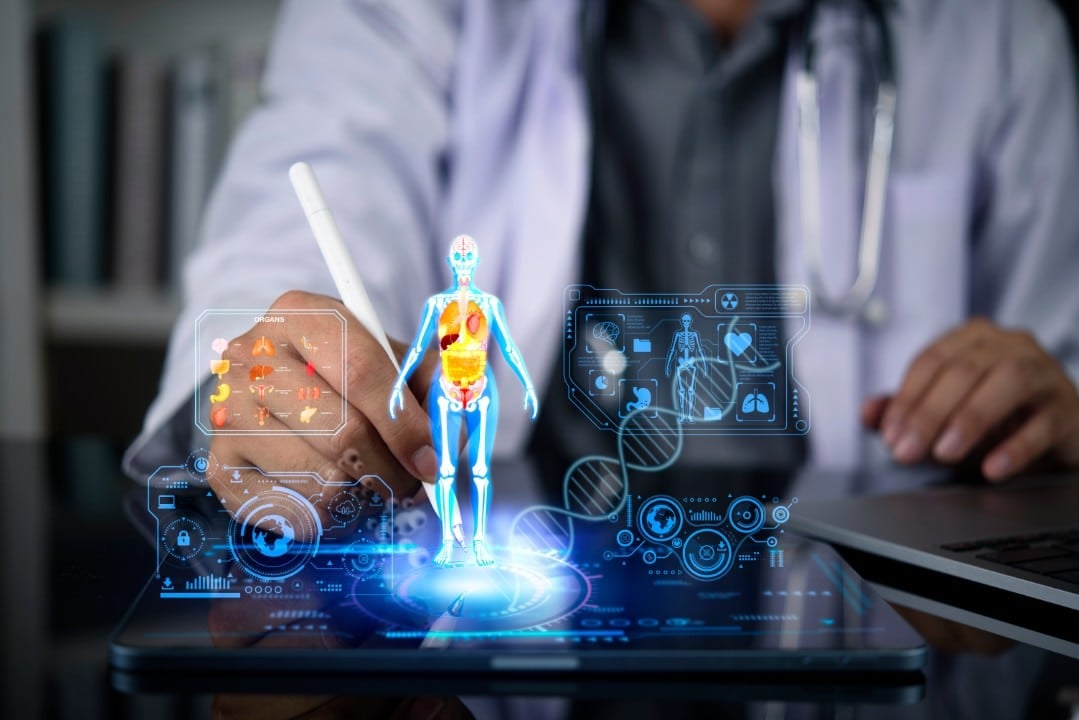
An ambitious and innovative initiative has transformed the way humanity understands its own biology. Cientistas from different parts of the world recently announced the launch of the “Atlas of Órgãos Humanos”, a digital platform that allows you to explore anatomy with an unprecedented level of three-dimensional detail. Este free online resource promises to democratize access to knowledge about the human body.
Inspired by the ease of navigation of “Google Earth”, the new atlas provides a deep immersion into the internal structure of the organism. Usuários can now “travel” through organs such as the brain, heart, lungs, kidneys and liver, viewing them in high resolution and from different perspectives.
The tool represents a significant milestone for education, medical research and the general understanding of healthcare. Sua design sought not only scientific precision, but also an intuitive interface that facilitates interaction, making anatomical complexities accessible to a wide audience.
The innovation behind 3D representation
The creation of Atlas from Órgãos Humanos required a complex integration of image data, computational modeling and artificial intelligence. Scientists used advanced scanning and reconstruction techniques to compile detailed information from multiple sources, ensuring the most faithful representation possible of each organic structure.
This methodology made it possible to overcome the limitations of traditional two-dimensional atlases, which often simplify or disassociate intricate structures. With the 3D approach, it is possible to observe the spatial relationships between tissues, blood vessels and nerves, offering a holistic and dynamic understanding of anatomy.
Expanded educational and scientific impact
Unrestricted access to Atlas of Órgãos Humanos opens new frontiers for teaching biology and medicine. Estudantes of all levels can now interact with realistic organ models, exploring them freely and deepening their knowledge in a more engaging and visually rich way than conventional textbooks.
For healthcare professionals and researchers, the platform serves as a powerful reference tool. Ela makes it easier to understand pathology, plan complex surgical procedures and develop new therapies, allowing them to visualize the extent of disease or anomalies with unprecedented precision.
Additionally, the interactive nature of the atlas encourages curiosity and self-directed learning. Indivíduos without medical training can explore the wonders of the human body, gaining a deeper awareness of their own health and the internal functioning of the body, which can encourage healthier habits.
Challenges overcome in creating the atlas
Building such a comprehensive and accurate digital atlas was not without its challenges. One of the biggest obstacles has been collecting and standardizing large volumes of high-quality data from different sources and imaging techniques. Foi necessary to develop sophisticated algorithms to integrate this data in a cohesive and representative way.
Another crucial point was to guarantee anatomical precision in every detail, avoiding distortions that could compromise the clinical and educational usefulness of the tool. The team had to meticulously validate each 3D model based on extensive anatomical and surgical knowledge, involving experts from different areas of medicine.
Data interoperability also represented a considerable technical barrier. Para Before the atlas could be “findable, accessible, interoperable and reusable”, in accordance with the FAIR principles (Findable, Accessible, Interoperable, Reusable), it was essential to create a robust and standardized data infrastructure. Isso ensures that information can be easily found, accessed, combined with other data sets, and used for further research.
The user interface also went through a rigorous design process to ensure it was intuitive and responsive across devices, from computers to tablets. The goal was for the complexity of the underlying data to be translated into a simple and effective user experience, enabling smooth navigation and detailed zooming into any organ.
International collaboration drives the project
The success of the Atlas of the Órgãos Humanos is the result of an impressive collaboration between scientists from different nations. Essa global research network made it possible to bring together a wide range of specialized knowledge in anatomy, physiology, computer science and bioengineering, essential to the complexity of the project.
European funding played a vital role, providing the necessary resources for technological infrastructure and software development. The synergy between different research institutions and universities resulted in a final product that transcends geographic and disciplinary borders, consolidating open science.
Accessibility and democratization of knowledge
The open access nature of Atlas dos Órgãos Humanos is one of its fundamental pillars, ensuring that information about human anatomy is universally available. Esta approach counters restrictive models, ensuring that researchers, students and the general public, regardless of their location or financial capacity, can explore and learn from this innovative tool, boosting medical research and education on a global scale.
Future perspectives for digital medicine
The launch of the Atlas of the Órgãos Humanos marks just the beginning of a new era for digital medicine. The platform has the potential to be expanded with disease models, genetic data integration and interactive simulations, promising to revolutionize the diagnosis and treatment of medical conditions.



