Renault reveals concept of new compact SUV with hybrid engine for the Latin American market
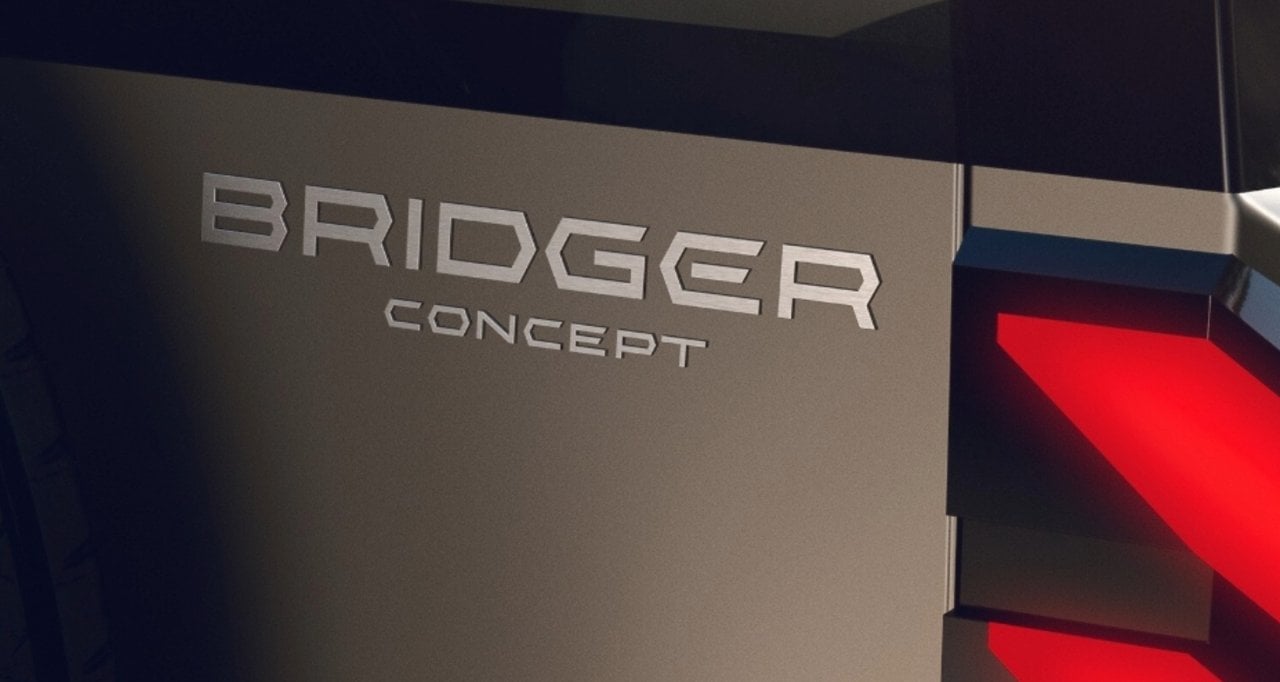
French automaker Renault officially presented the guidelines for its latest project aimed at the América Latina automotive market, focused on the development of an unprecedented sports utility vehicle. The conceptual model, which has been called “mini-Duster” behind the scenes in the sector, represents a strategic bet by the manufacturer to expand its participation in emerging markets. The initiative is part of a global expansion plan that foresees the launch of several vehicles outside the European continent over the next few years.
The new vehicle will be positioned in a highly competitive segment, seeking to attract consumers who demand space, robustness and onboard technology. The brand’s engineering works to deliver a product that meets the driving specifications of Latin American roads, combining elevated suspension and improved approach angles. Development takes place in conjunction with local research centers to ensure the project adapts to the daily needs of drivers in the region.
The commercial strategy involves regional production of the utility, with Brasil appearing as the main manufacturing and export hub for neighboring countries. The assembly lines will undergo technological updates to receive the new vehicle architecture, which will serve as the basis for other launches by the company in the region. The logistics movement aims to optimize distribution and guarantee a delivery volume capable of meeting the demand projected by market research.
Global strategy and investments in the region
The brand’s restructuring plan establishes rigorous goals for growth and modernization of the portfolio offered outside of Europa by the end of the decade. The manufacturer allocates billion-dollar contributions to update its industrial facilities in América Latina, with a special focus on the manufacturing complex located in São José of Pinhais, in the state of Paraná. Este movement aims not only to nationalize components, but also to implement more efficient production processes in line with current environmental standards. The new modular platform adopted by the automaker allows unprecedented flexibility in the assembly line, enabling the production of vehicles of different sizes and categories on the same structural base. With this standardization, development costs are significantly reduced, while the speed of introducing new models to the market increases. The new sports utility vehicle project is the main exponent of this phase, designed to act as a watershed in the perception of brand value by South American consumers. The board’s expectation is that sales of this model will boost the profitability of regional operations, offsetting the economic fluctuations characteristic of these markets. Além In addition, the strategy includes training the local workforce and strengthening the regional supply chain, essential elements to guarantee the competitiveness of the final product compared to direct competitors already established on the continent.
Robust design and visual identity
The design of the new sports utility vehicle incorporates visual elements that convey strength and durability, characteristics fundamental to success in the category. The front features an imposing grille with the automaker’s name prominently displayed, flanked by tapered optical assemblies that use advanced lighting technology to ensure maximum nighttime visibility.
On the sides, the pronounced creases and widened wheel arches accommodate light alloy wheels up to 18 inches, reinforcing the vehicle’s elevated stance. The aerodynamic design was optimized to reduce drag and improve energy efficiency, without compromising internal space for occupants and the cargo compartment.
Modular architecture and vehicle dimensions
The structural basis of the model is the group’s new global platform, developed specifically to meet the demands of markets outside the European axis. Essa architecture guarantees greater torsional rigidity, which translates into superior dynamic behavior and higher levels of passive safety in the event of severe collisions.
The vehicle’s dimensions were calculated to offer agility in urban traffic, maintaining proportions that classify it in the compact utility vehicle category. The elongated wheelbase maximizes legroom for rear seat passengers, a decisive purchasing criterion for families who use the car on long road trips.
The luggage compartment has a usable volume that is competitive for the segment, with modular solutions that allow the seats to be folded down to accommodate bulky objects. The height in relation to the ground was calibrated to overcome urban obstacles and dirt roads with ease, avoiding damage to the lower part of the chassis during severe use.
Hybrid powertrain and energy efficiency
The mechanical assembly represents one of the project’s greatest technological advances, in line with global trends in reducing pollutant emissions. The manufacturer confirmed the introduction of new generation engines, designed to deliver high torque at low speeds and substantial fuel savings in the urban cycle.
The main new feature is the adoption of a 48-volt mild hybrid system coupled to a three-cylinder turbo engine with a displacement of 1.2 liters. Esse technical arrangement allows the electric motor to assist the combustion engine in the acceleration phases, reducing mechanical effort and, consequently, the consumption of gasoline or ethanol.
The energy regeneration system operates during braking and deceleration, recharging the compact battery installed in the vehicle floor. Essa stored energy is used to power the car’s electrical systems and provide extra power when overtaking or climbing steep highways.
Top-of-the-line versions may feature an intelligent all-wheel drive system, which distributes force between the front and rear axles according to the need for grip. The automatic dual-clutch transmission has been recalibrated to offer smooth and quick gear changes, favoring driving comfort in any road condition.
Embedded technology and security
The interior of the sports utility vehicle was designed to provide a complete digital experience for users, integrating configurable instrument panels and high-resolution multimedia centers. The infotainment system offers wireless connectivity with major smartphone operating systems, allowing access to navigation and audio streaming applications intuitively. The cabin features improved upholstery materials, precise assembly and reinforced sound insulation to minimize the intrusion of external noise and engine operation. Além In addition, the physical controls were reduced to the essentials, concentrating the majority of functions on the touch screen, which gives the front panel a clean and modern appearance. Automatic climate control and multiple USB charging points complement the convenience package offered to occupants during their daily commutes.
In terms of safety, the model incorporates a comprehensive package of advanced driving assistants, designed to prevent accidents and mitigate damage in emergency traffic situations. The autonomous braking system works in conjunction with sensors and cameras to detect pedestrians, cyclists and other vehicles, automatically applying the brakes if the driver does not react in time. Blind spot warning and lane keeping assist assist with driving on high-speed highways, while adaptive cruise control adjusts acceleration according to the flow of other cars. The body structure uses ultra-high-strength steels at critical points, forming a rigid survival cell that protects passengers in frontal, side and rear impacts. The vehicle is equipped with multiple airbags as standard, ensuring full protection for all occupants regardless of the version chosen.
Positioning in the automotive market
The arrival of the new utility changes the competitive dynamics in the compact segment, forcing rival brands to update their product portfolios. The model fills a strategic gap between entry-level vehicles and mid-size SUVs, offering a balanced alternative in terms of price and list of standard equipment.
The dealer network goes through an intensive training process to introduce new propulsion technologies to potential customers. The launch campaign will focus on the attributes of economy, durability and innovative design, seeking to consolidate the automaker’s image as a reference in accessible and modern mobility.
Production schedule and availability
The start of series manufacturing is scheduled to occur after the completion of adaptations on the assembly line and the final approval of the mechanical components. The first batches of the vehicle should arrive at dealership windows in the following months, marking the beginning of a new product cycle for the manufacturer in the Latin American region and reinforcing the commitment to modernizing the local fleet.