
Unprecedented mapping reveals web of fungi under roots of Chilean trees that are more than 3,600 years old

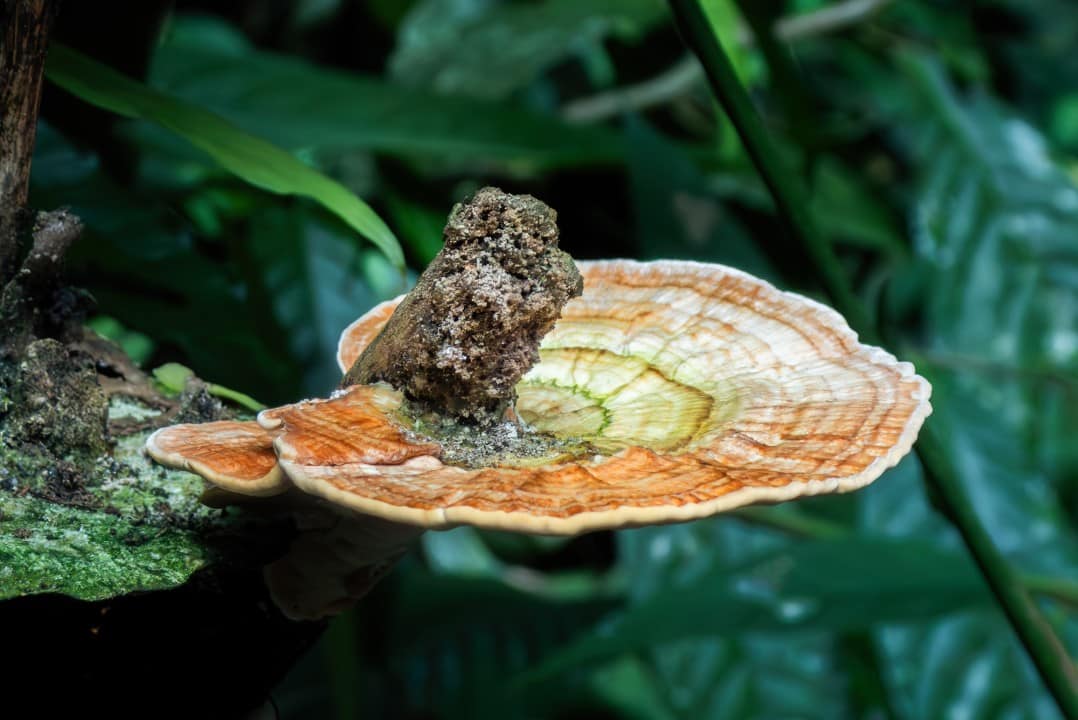
A scientific investigation conducted in southern Chile has identified a vast underground ecosystem operating under the roots of alerces, a species of tree known for its extreme longevity. The data collected by researchers demonstrates the existence of hundreds of species of fungi that interact directly with these plant giants. Essa discovery sheds light on the biological mechanisms that allow ancient forests to survive in adverse environmental conditions.
Analysis of soil samples taken from preserved forest areas indicated that this hidden network plays a vital role in plant nutrition. The genetic mapping of microorganisms revealed a complex symbiosis, where the exchange of resources guarantees the maintenance of trees in environments with soils poor in minerals. Scientists have observed that the health of the visible part of the forest depends intrinsically on the biological activity occurring below the surface.
The study also pointed out that the age and size of the alerces directly influence the amount of fungi present underground. Quanto The older the tree, the greater the diversity of microorganisms associated with its roots, forming a web of communication and mutual support that has developed over millennia. Essa dynamics reinforces the importance of protecting older specimens to maintain the balance of the entire biome.
Underground web dynamics and nutrient exchange
During the collection phase, experts analyzed information from 31 specimens of alerces located in Chilean national parks. The statistical survey found that the soil beneath the oldest tree in the group was home to more than 300 unique species of mycorrhizal fungi. Essa exceptional concentration of microscopic life demonstrates highly specialized coevolution between local flora and soil microorganisms.
This biological variety acts as an extension of the plants’ root system, reaching areas of the land that the roots alone would not be able to access. In exchange for the sugars produced by trees during the photosynthesis process, fungi provide essential minerals such as phosphorus and nitrogen. Esse continuous biological barter is the engine that sustains the slow and constant growth of the species.
The research details that fungal hyphae create real physical connections between different trees in the same forest, forming a true communication network. Essa underground interconnection allows the sharing of water and nutrients between stronger individuals and those who are in stressful conditions. The transfer of resources occurs fluidly, guaranteeing the collective survival of the forest.
In addition to optimized nutrition, the underground network offers a natural defense barrier against pathogens present in the damp earth. Beneficial microorganisms occupy the physical space around the roots, preventing the proliferation of fungal or bacterial diseases that could compromise the health of the trees. Essa Basic immunological protection is essential for alerces to reach such advanced ages without succumbing to infections.
Risk factors for the survival of the species
Despite the natural resistance developed over centuries of evolution, alerce populations face significant pressures resulting from human activity and global climate change. Historical deforestation, driven by intensive logging in the coastal areas of the Chile during the last century, has drastically reduced the original area of occurrence of these ancient forests. Atualmente, the advancement of civil infrastructure projects, such as the construction and paving of highways near conservation zones, intensifies the risk of surface soil erosion. Essa earth movement directly affects the stability of shallow fungal networks and compromises the physical integrity of natural habitats. Avaliações strict environmental measures began to be required by government bodies to minimize the damage caused by public works, seeking alternative routes that do not fragment the ecosystem.
In parallel to the direct impacts of infrastructure, changes in precipitation patterns affect the constant humidity necessary to maintain this sensitive symbiotic ecosystem. The occurrence of prolonged droughts in the southern region reduces the vitality of mycorrhizal fungi and weakens the ability of tree roots to absorb water. Estudos Botanists indicate that continuous water stress makes alerces more susceptible to insect infestations and opportunistic forest diseases. To mitigate these adverse effects, Chilean environmental institutions have implemented rigorous real-time climate monitoring measures. Iniciativas of ecological restoration are also underway, promoting the recovery of degraded soils through advanced techniques that use the artificial inoculation of native fungi grown in the laboratory.
Carbon storage and ecosystem regulation
Temperate forests dominated by alerces play a structural role in mitigating greenhouse gas emissions, acting as high-efficiency carbon sinks on a global scale. The exceptional longevity of these trees, which often surpass the three-millennium mark, allows carbon dioxide taken from the atmosphere to remain stored in their trunks, branches and roots for prolonged periods. The underground fungal network enhances this carbon sequestration process by decomposing organic matter falling into the soil in a controlled manner. Essa decomposition recycles vital nutrients without releasing large amounts of gases back into the air, maintaining the earth’s chemical balance. Toda These hidden biological dynamics support a complex surface food chain that includes everything from microscopic insects to endemic birds and mammals that depend on the dense forest for foraging and shelter. Adicionalmente, the dense vegetation cover and intricate soil structure help regulate the regional hydrological cycle in the southern provinces. The root system and associated fungi act like a natural sponge, retaining water from intense rains and supplying underground aquifers gradually and constantly. Esse water retention mechanism prevents landslides in steep mountainous areas and ensures the uninterrupted flow of rivers and streams during months of severe drought. Pesquisas recent studies quantify this environmental impact, demonstrating that the preservation of a single hectare of intact alerce is equivalent to the neutralization of tons of industrial pollutants annually.
Historical record through growth rings
The specimen known as Gran Abuelo, located at Parque Nacional Alerce Costero, is the central point of several international dendrochronological investigations. Estimated to be more than 5,400 years old, the tree serves as an accurate biological archive of past climatic conditions. Seu massive trunk holds valuable information about the planet’s environmental history.
Analysis of trunk growth rings allows scientists to reconstruct temperature patterns and rainfall rates that have occurred over five millennia. Esses empirical data is used to calibrate modern climate models and predict future scenarios with a much greater degree of accuracy. The thickness of each ring reveals years of water abundance or periods of extreme drought.
The presence of trees of similar ages in the vicinity forms groupings that amplify the resilience of the entire coastal forest. The underground connectivity between these ancient individuals creates a superorganism capable of withstanding severe natural disturbances such as storms and extreme temperature variations. The integrity of this group is treated as a top environmental safety priority.
Protection measures in national parks
The Chilean government has established specific legal guidelines for the absolute protection of habitats where alerces develop naturally. Constant patrolling by specialized teams of forest guards aims to curb illegal logging, a predatory practice that threatened the species with extinction in the last century. Access to sensitive areas is strictly controlled to avoid trampling the ground.
Independent organizations and universities actively collaborate to fund research focused on continuous genetic mapping of forest soil. The results of these technical surveys guide public conservation policies at the federal level. Essa database ensures that areas with greater fungal diversity receive immediate priority in management plans and allocation of financial resources.
Integration of traditional knowledge
Forest management strategies in the southern region of Chile began to systematically incorporate the knowledge of local indigenous communities. Ancestral management practices respect the natural cycles of forest regeneration and treat alerces as sacred and fundamental elements of regional culture. Essa The union of scientific and traditional knowledge has proven to be highly effective in preserving the biome.
This collaborative approach strengthens community surveillance and promotes the development of sustainable ecological tourism. Strictly controlling the number of visitors to national parks generates essential revenue for the local economy without compromising the integrity of surface roots. Environmental education aimed at tourists ensures that visits occur with minimal physical impact on the environment.
Biotechnological applications in agriculture
Discoveries made in Chilean forests are beginning to directly influence the development of new agricultural technologies in different parts of the world. The isolation of specific species of fungi capable of optimizing phosphorus absorption in acidic soils has been tested in laboratories to create commercial biological inoculants. Essa transferência de conhecimento da floresta milenar para o campo produtivo busca reduzir a dependência global de fertilizantes químicos, promovendo cultivos mais produtivos, limpos e adaptados a condições de estresse hídrico severo.




