
82-year-old Spaniard surprises science with the lungs of a 20-year-old after starting training in old age

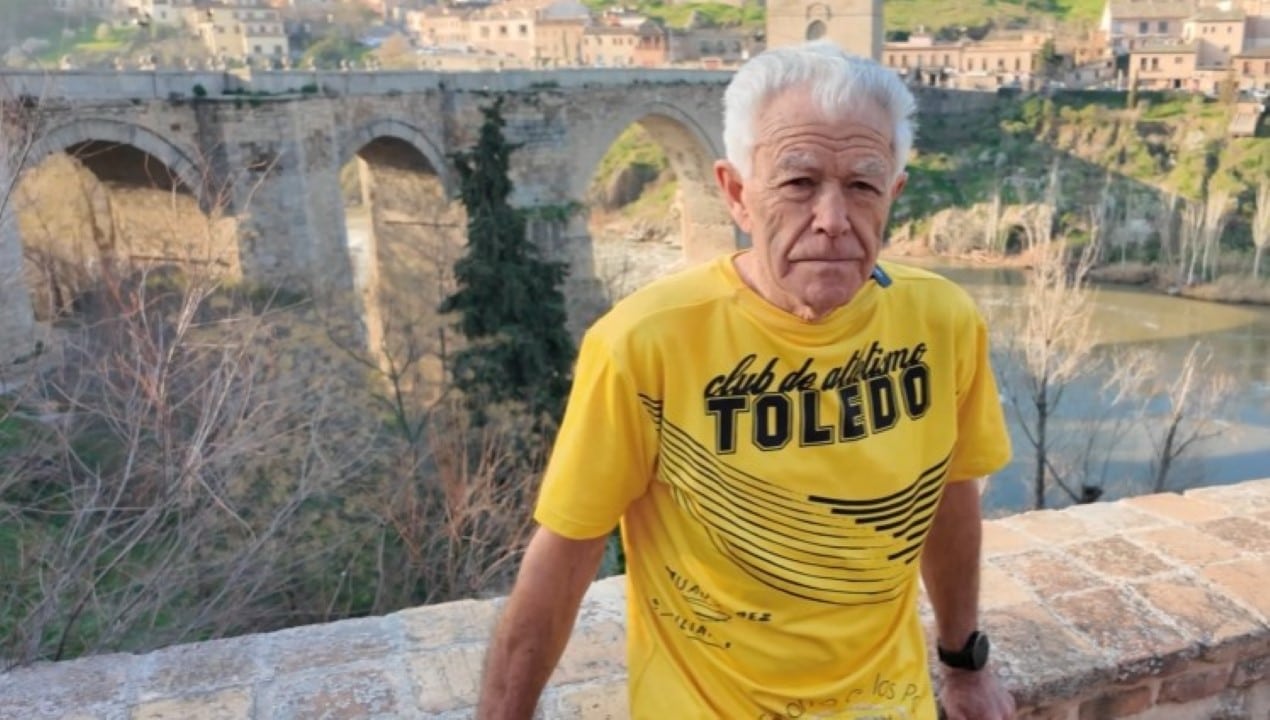
Researchers at Universidade of Castilla-La The tests demonstrated that the athlete has levels of oxygen uptake and metabolic efficiency that contradict the health guidelines established for his age group.
Intensive laboratory monitoring showed that the runner’s cardiovascular system operates with the same energy and processing capacity as a healthy individual of just twenty years of age. The discovery caught the attention of the international scientific community, which is currently focusing great efforts on studying human longevity and body plasticity in old age.
Genetic mapping and analysis of cellular metabolism place long-distance runners in a prominent position in global research on physiological adaptation. Scientists use the data extracted from the statistics of
Laboratory assessment and oxygenation metrics
Stress tests and complete analysis of gas exchange in a controlled environment showed that the maximum volume of oxygen that the athlete can consume exceeds the levels documented in the vast majority of sedentary young people. Essa metric serves as the main indicator of the physical capacity of the human body in any demographic group studied by physiologists.
The measurement evaluates the exact amount of oxygen that the body can capture from the external environment, transport through the bloodstream and use to produce energy in the mitochondria during maximum effort. The efficiency of this complex system determines the ability to maintain high performance for hours at a time in endurance competitions.
The quality of blood flow observed in the exams guarantees adequate oxygenation of peripheral muscle tissues, significantly delaying the accumulation of lactic acid, with laboratory data highlighting crucial points about the athlete’s physical condition:
– Níveis of oxygen absorption equivalent to that of young adults who do not practice sports.
– Renovação of cellular mobility driven by a rigorous training regimen.
– Preservação exceptional bone density and the entire joint structure of the lower limbs.
– Resiliência of blood vessels well above the average recorded for the population over eighty years of age.
Late start to sport after retirement
Juan López García’s sporting career began in a completely unpretentious way, shortly after he left the formal job market at the age of 66. The first walks emerged simply as a viable alternative to occupy free time and keep the body moving, without any type of competitive objective.
At that initial moment, there was no establishment of performance goals or the intention to participate in official athletics events. The transition from a long sedentary lifestyle to high-performance sport occurred extremely gradually, based on daily consistency and absolute respect for biological limits.
This cautious approach prepared the joints, tendons and muscles to withstand progressively increasing mechanical load. The method avoided the injuries that frequently affect beginners who try to take up high-impact activities during old age without proper basic preparation.
The athlete’s history demonstrates that the absence of a previous sporting life during youth does not necessarily act as a definitive limiting factor. Physiological adaptation proved to be efficient even with the beginning of activities occurring decades after the period considered ideal for the development of an athlete.
Evolution of distances and training volume
The first months of exercise consisted of brisk walks and short runs through the city streets, always interspersed with adequate rest periods for the recovery of muscle fibers. With the progressive adaptation of the cardiovascular system and the gain of breath, the athlete began to enroll in local short-term races, testing the body’s response in a traditional street running environment. The migration to the demanding universe of ultramarathons took place over a few years, as the body responded positively to the increased training volume and energy demand, demonstrating a unique ability to adapt to prolonged effort.
The ultramarathoner’s current physical preparation is structured around a high volume of running, reaching the mark of sixty-four kilometers per week during periods without competitions in the sports calendar. Quando the schedule of official long-distance events approaches, this mileage undergoes a substantial increase, reaching the point of doubling the distance covered in training sessions that mix asphalt and dirt roads. Essa rotina exige uma periodização rigorosa para garantir que o pico de performance coincida com as datas das provas, minimizando os riscos de esgotamento físico ou fadiga crônica antes das largadas.
Muscle strengthening as a protective barrier
In addition to specific work on the tracks and trails, the training program incorporates weekly weight training sessions aimed at hypertrophy and gaining resistance strength. Weight lifting acts directly on maintaining bone mass and strengthening the large muscle groups required during running, such as quadriceps, hamstrings and calves, providing essential protective equipment against joint wear.
Nutritional strategy and combating oxidative stress
The athlete’s nutritional support is based on the principles of the Mediterranean diet, a dietary model widely validated by science due to its anti-inflammatory effects and cardioprotective properties. The basis of the daily menu is made up of large quantities of fresh fruit, dark green leafy vegetables, fiber-rich grains and foods with a high load of antioxidants, which combat free radicals generated by the oxidative stress inherent to ultramarathon running. The almost total exclusion of ultra-processed products, refined sugars and trans fats prevents the development of systemic inflammatory processes that could delay the recovery of muscle cells injured during intense training. Regular consumption of extra virgin olive oil, deep-sea fish rich in omega three and oilseeds, such as walnuts and almonds, provides essential lipids for the health of cell membranes and the optimized functioning of the neurological system. Strict control of hydration and millimeter replacement of electrolytes ensure that the body is able to withstand the extreme metabolic expenditure required by long-term races, avoiding hyponatremia or severe dehydration that could compromise kidney function and muscle contraction.
Medical protocols for high-intensity activities
The experience gained on the track guides coaches to recommend that seniors start their sporting journeys with light walking before risking any running movement. Planning by a multidisciplinary medical team, which includes cardiologists and orthopedists, becomes a non-negotiable step before starting any rigorous physical fitness regimen in old age.
Scientific research in the field of biology confirms that prolonged and continuous exposure to aerobic activities directly improves aging markers at the cellular level. Esses data provides vital support for new global public health guidelines that recommend the gradual introduction of exercise loads for the elderly population.
Record-breaking and sporting history
Currently, the runner holds multiple world and European records in the category of octogenarian athletes, completing extreme races ranging between fifty and one hundred kilometers in distance. Performance in official competitions attests to the effectiveness of the training method adopted and the body’s ability to regenerate in the face of extreme resistance challenges.
Conventional studies indicate that aerobic capacity decreases by an average of ten percent each decade after the age of thirty. The Spanish athlete’s continuous and disciplined intervention proves that it is perfectly possible to mitigate this physiological decline expected by traditional medicine through constant movement and lifestyle adjustment.



