
Apple repositions strategy with $599 MacBook Neo, unveiling new phase in laptop market

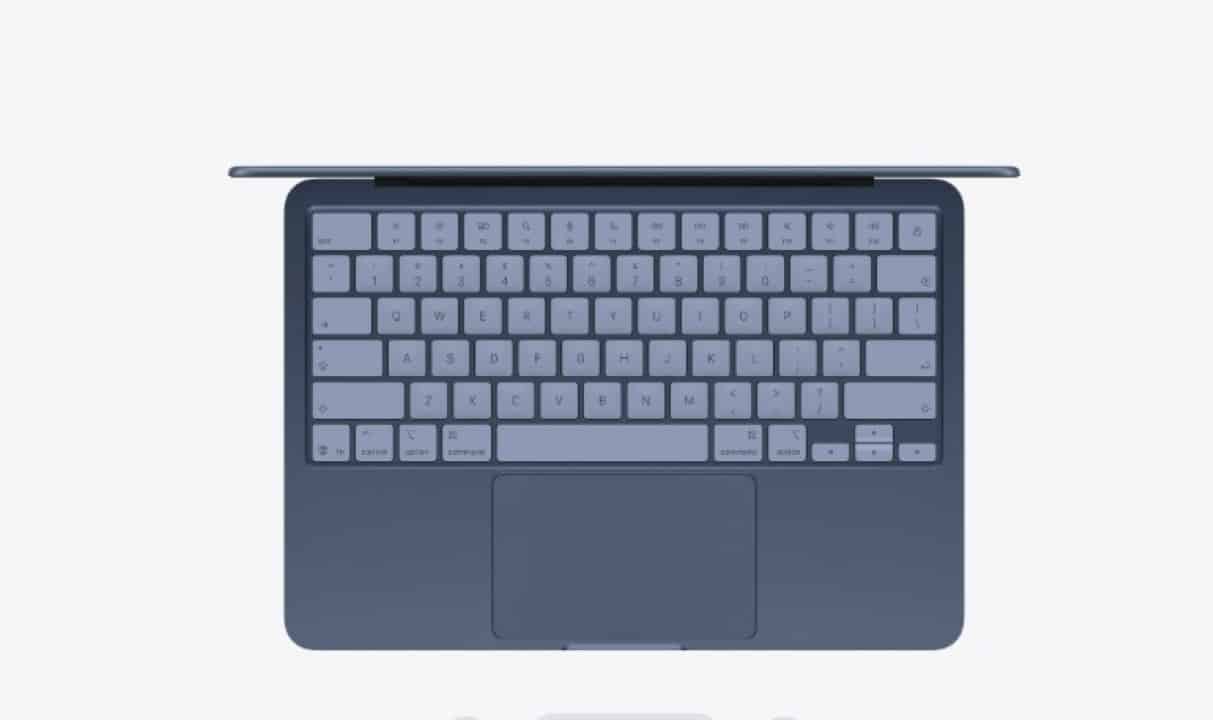
Apple surprised the technology market with the launch of the MacBook Neo, a US$599 laptop that represents a significant shift in the company’s strategy. Este move raises questions about the decade in which the Cupertino giant positioned the iPad as the future of computing, promising a superior alternative to traditional laptops.
The arrival of the MacBook The company appears to be recalibrating its approach to meet the demands of an audience looking for functionality and value for money.
This new device is not just a product, but a symbol of a profound shift in Apple’s perception of what consumers really need in an entry-level computer. The company, which previously seemed to disdain the affordable laptop format, is now entering the competition for this segment, challenging the hegemony of the Windows and Chromebooks PCs.
The true narrative behind the iPad
For more than a decade, Apple vigorously defended the idea that the iPad was the cutting edge of mainstream computing. The message was clear and repeated in global advertising campaigns: the iPad was not a mere tablet or a companion to another device, but rather a complete replacement for the personal computer. With the slogan “What’s a Computer?”, the company sought to redefine the category, claiming that its tablet was lighter, faster and more modern than any similarly priced Windows laptop, especially for students and families on a budget. Essa narrative, however, began to show cracks as users’ expectations collided with the realities of everyday use. Apple’s insistence on promoting the iPad as the future of productivity ignored the nuances of workflows that require a robust and flexible operating system, something that iPadOS, despite its evolutions, struggled to deliver organically.
An abrupt strategic change
The introduction of the MacBook Neo marks a sharp change in the Apple philosophy. The company that for years tried to convince the world that keyboards were optional and trackpads were relics of the past, now offers a $599 laptop. The new product comes equipped with a real operating system (macOS), more functional physical ports, and productivity features that align with traditional expectations of a computer. The transition is so notable that it becomes dizzying, highlighting the contrast with the vision that Apple herself promoted.
This sudden change also presents itself as Apple’s clearest admission in years: the iPad was never the laptop replacement the company aspired to be. Mesmo With iPadOS progressively absorbing laptop features like trackpad support and a more complete Safari, the experience still resembled a tablet operating system trying to imitate macOS. The iPad lineup, in turn, became complex, with overlapping prices and features that confused consumers and diluted the value proposition, making the basic iPad limited and the Pro versions luxury items.
Accessories and the dilution of cost-benefit
The accessory issue played a crucial role in distorting the iPad’s value proposition as an economical alternative. When considering the cost of an Magic Keyboard for a 13-inch iPad Air, which costs up to US$319, the final price of the set increases considerably. Isso transforms the iPad from a supposed low-cost alternative into a more expensive and, paradoxically, less capable device compared to traditional laptops that already come with an integrated keyboard and trackpad.
This reality made many consumers realize that, in order to have a minimally complete productivity experience with the iPad, it was necessary to invest in accessories that inflated the total cost, making it unviable as a low-budget option. The MacBook
Why macOS stands out in the entry-level segment
macOS, the operating system that powers the MacBook Neo, is intrinsically more suitable for the public looking for a computer in the US$599 range than iPadOS ever was. Estudantes, for example, need intuitive and efficient multitasking, something that macOS offers without requiring the “puzzle” that Stage Manager often becomes on iPadOS. The ability to manage multiple windows and applications fluidly is an undeniable differentiator for academic tasks.
Office professionals also benefit from the consistency and familiarity of applications in a complete desktop environment. Interoperability between programs, more traditional file management and the absence of software compatibility barriers are crucial elements for a professional workflow, which macOS delivers masterfully. Famílias, in turn, need a device that does not require additional investments, such as expensive keyboards, to feel complete, which the Neo offers as it is a laptop in nature.
The report of a user on a forum, who preferred an Neo for his son instead of an iPad due to schoolwork and cost-benefit, perfectly illustrates this preference. Ele expressed that he “doesn’t really like iPads” and that, “for the price, I’d rather give him a laptop when he starts having more homework, etc.”. Essa’s vision reinforces the fact that, despite Apple’s claims, iPads have often not been the ideal choice for serious work or everyday educational needs, a void that the MacBook Neo now seeks to fill in a more effective and familiar way.
Implications for the educational and low-cost market
Apple has a clear strategic intention to expand its share of the Macs market, especially in the education and low-cost PC segments, where Chromebooks has a dominant presence. The iPad was initially conceived as Troia’s “Troia horse” in schools, a tool that would revolutionize learning. However, the tablet was never able to truly replace cheap laptops in this environment. Professores were reluctant to retrain their existing workflows, which were optimized for desktop operating systems.
Students, meanwhile, have struggled with file management and complex multitasking on iPadOS, making the experience less intuitive for demanding school assignments. Administradores schoolchildren also faced the inconvenience and additional cost of purchasing keyboards for each device, in addition to repairability challenges that made large-scale maintenance difficult. Esses obstacles caused the iPad to fail in its mission to be the definitive solution for the education sector.
The MacBook Neo appears as Apple’s first concrete attempt to combat its competitors on this specific battlefield, using an already accepted and understood format and operating system. Analistas already classify it as a “turning point”, suggesting that Apple has finally admitted the iPad’s limitations in certain applications. The Neo’s own pricing strategy, which aggressively positions it at US$599, demonstrates that the company, which previously focused on the Mac’s premium audience, is now willing to compete in a broader, cost-sensitive market segment. Trata is an obvious course correction, not a mere experiment.
Industry and consumer reactions to the MacBook Neo
The arrival of the MacBook Jornalistas experts, albeit in a polite way, have highlighted the implications of the new laptop. It’s common to find implicit mentions that the Neo makes the iPad a less attractive value proposition, especially when considering price and functionality. Críticos emphasize that the new MacBook reaches precisely the market that the iPad, despite all the efforts of Apple, never managed to conquer effectively.
Education sector analysts, for example, do not hesitate to say that the MacBook Neo “changed the rules of the game overnight” for students and institutions. Essas observations, disguised in industry language, reveal a consensus that the Neo fills a gap left by the iPad. Consumers, in turn, do not need as much translation; they notice the change. Apple has spent years promoting the iPad as the future of computing, and now it offers a MacBook that does everything the iPad should do, but more efficiently, cheaper, and without the need for expensive accessories. The MacBook Neo represents an admission that the laptop remains a fundamental tool, aligning the Apple offering with real market expectations.
Declining iPad sales and the need for a fix
Over the past decade, iPad sales have seen a steady decline since their peak between 2013 and 2014. After a brief surge driven by the pandemic, demand for the Apple tablet has settled into a period of stability or contraction. The tablet market matured and initial enthusiasm waned, turning the iPad from “the future of computing” into a stable but shrinking product line that no longer drove the company’s growth.
Although it is still a profitable business, the trajectory of slow erosion rather than expansion has been clear for years. Essa reality highlighted the need for Apple to introduce a product like the MacBook Neo, in order to reposition itself in the competitive low-cost laptop market. The Neo, therefore, is not just a new product, but a strategic response to an unfavorable market trend that required a course correction to revitalize the Apple’s presence in a crucial segment.
The future of the Mac and the eventual touchscreen
The launch of the MacBook Neo signals the end of an era in which Apple insisted that laptops were an obsolete form factor. The company, which spent a decade ignoring and even mocking the affordable notebook category, is now returning to it emphatically. Esse repositioning is seen by many as a delayed but necessary move for the brand’s competitiveness in the current scenario.
Furthermore, there is a strong expectation that in the near future, Apple will introduce a MacBook with a touch screen. Quando this happens, the company will likely present the functionality as a revolutionary innovation, conveniently ignoring the fifteen years of Windows laptops that already offered this technology. Seria a moment of “amnesia” for the specialized press and the general public, who would easily forget Steve Jobs’s previous statements classifying touchscreens on laptops as “ergonomically terrible” and Tim Cook’s comments in 2012 comparing them to a “toaster-refrigerator”. The Apple, historically, manages to get away with such contradictions, and the MacBook Neo is further proof that the company’s strategic flexibility is often accepted without question.
Apple didn’t just adjust its course with the MacBook Neo; it corrected the trajectory of its personal computing strategy. The iPad, while a bold idea, never completely aligned with how people actually work and need a computer. The MacBook
The iPad will continue to evolve and excel at the tasks it is truly suited for: playing games, streaming content, and acting as an all-in-one entertainment device. However, for the demands of productivity and serious work, the MacBook



