
Capcom plans to release Resident Evil 9 and new remakes of the horror franchise by the end of the decade

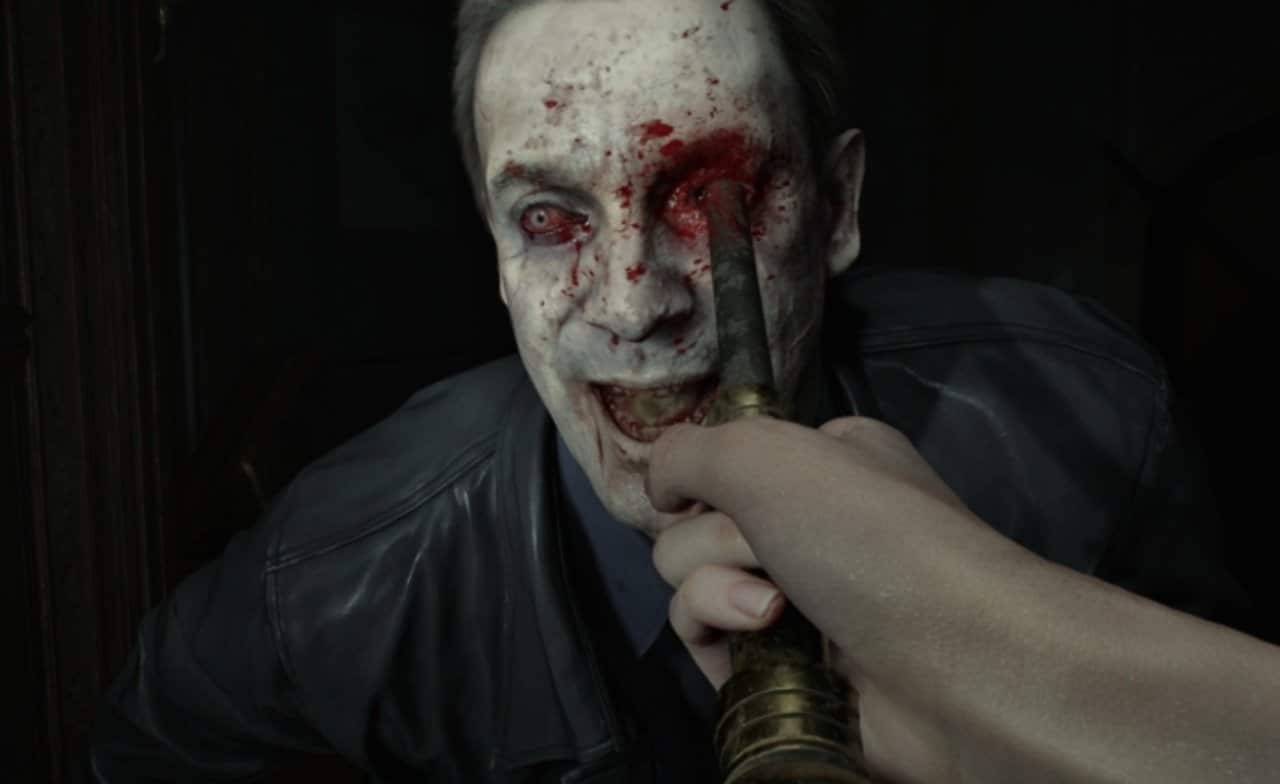
The Japanese developer responsible for one of the most profitable franchises in the video game industry has established an aggressive launch plan for the coming years. Documentos internal and recent information from the industry indicate that the company has structured a detailed timeline that extends until the end of the current decade, encompassing both unreleased sequels and the revitalization of classics in the survival horror genre. The central strategy involves the allocation of hundreds of developers across multiple simultaneous projects, ensuring that the brand remains prominent in the global digital entertainment market. The producer seeks to maintain a constant flow of news for consumers, interspersing big-budget titles with updates to already established works.
Development of the ninth chapter of the main series
The most imminent project in this new commercial phase is the ninth numbered game in the main saga, which is already in an advanced stage of production. The development team received the largest budget ever allocated to a branded title, with the aim of significantly expanding exploration and combat mechanics.
Sources linked to the company’s technology sector indicate that this title will adopt an open world structure, a substantial change in relation to the franchise’s characteristic linear corridors. The transition to this new map format required profound adaptations to the producer’s proprietary graphics engine.
– The game map will utilize continuous rendering technologies to eliminate loading screens during exploration. – Enemy AI has been rewritten to adapt to large, open environments. – The inventory system will undergo modifications to accommodate large-scale resource gathering.
Classic Games Revitalization Calendar
In parallel with the new releases, the company defined the dates for the arrival of new versions of old games. The title focused on the character Claire Redfield, originally released for the Dreamcast console, is expected to hit the market in 2027.
The following year, in 2028, the commercial strategy foresees the launch of the recreation focused on the events that precede the first game in the franchise. Esta specific work will address the incident on the train and the origins of biological contamination in the mountains surrounding the fictional city in the series.
The division of tasks between different partner studios and internal teams allows the producer to maintain the goal of releasing a major game every twelve to eighteen months. Esta release cadence aims to sustain audience engagement and cash flow for the digital entertainment division.
Quality control teams work rigorously to ensure that each new version maintains the original tense atmosphere while modernizing controls. The positive reception of previous titles validated this business model before the corporation’s shareholders.
Initial planning for the tenth numbered title
The tenth chapter of the main line has already begun its visual and narrative design phase within the developer’s offices. The internal forecast points to a release window established for the year 2029, marking the end of an important narrative cycle in the series’ mythology.
Preliminary design information for this project suggests implementing a multi-stakeholder system. The player would switch control between different characters in real time, requiring strategic coordination to solve puzzles and survive battles against creatures.
Return to origins and timeline correction
One of the most ambitious projects discussed in the production company’s corridors is a new recreation of the very first game in the franchise, the one that defined the survival horror genre in the nineties. The launch window stipulated for this work varies between the years 2030 and 2033, depending on the progress of previous projects. The intention is not just to update the graphics, but to completely restructure the original mansion with the latest lighting and physics technologies, offering an unprecedented experience even for series veterans who know every corner of the classic setting.
This initiative to recreate the first title also meets an urgent narrative need for the team of writers and art directors. With the various recreations released recently, inconsistencies have emerged in the official timeline and in the development of certain central characters. The new version of the original game will serve as a definitive anchor point, unifying the story and fixing plot holes that have accumulated over decades of continuous releases and expansions of the biological universe in video games.
Evolution of the proprietary graphics engine
To support all this simultaneous development load, the company’s software engineering division works on massive updates for its graphics engine, known in the market as RE Engine. The new iteration of the tool incorporates native support for advanced ray tracing and artificial intelligence frame generation technologies. Programmers focus on optimizing the code so that upcoming games run stably on both high-performance computers and the most popular desktop consoles on the market. The engine architecture has been redesigned to facilitate the sharing of digital assets, such as textures and animations, between different production teams. Isso means that a three-dimensional model created for a recreation can be easily adapted and reused in a new title, drastically reducing operational costs and development time for each project. The stability of this technological tool is the pillar that allows the producer to maintain its aggressive schedule without compromising the visual quality that consumers demand in high-budget productions.
Market strategy and licensing
The marketing department works in sync with the developers to ensure that each release is accompanied by a strong global advertising campaign. The coordination between announcement dates and the release of playable demos is calculated to the millimeter to maximize public interest before the product arrives on physical and virtual shelves.
Expansion of the transmedia universe and global partnerships
The Japanese company’s business strategy is not limited to interactive software sold in digital and physical stores. Existe an internal committee dedicated exclusively to overseeing the brand’s coherence across different media, ensuring that films, series and comic books respect the rules established by electronic games.
Licensing agreements with hardware manufacturers and apparel companies are also part of the business expansion plan for the next decade. The sale of derivative products represents a significant portion of the entertainment division’s annual revenue, directly financing the research and development of new graphics technologies.



