

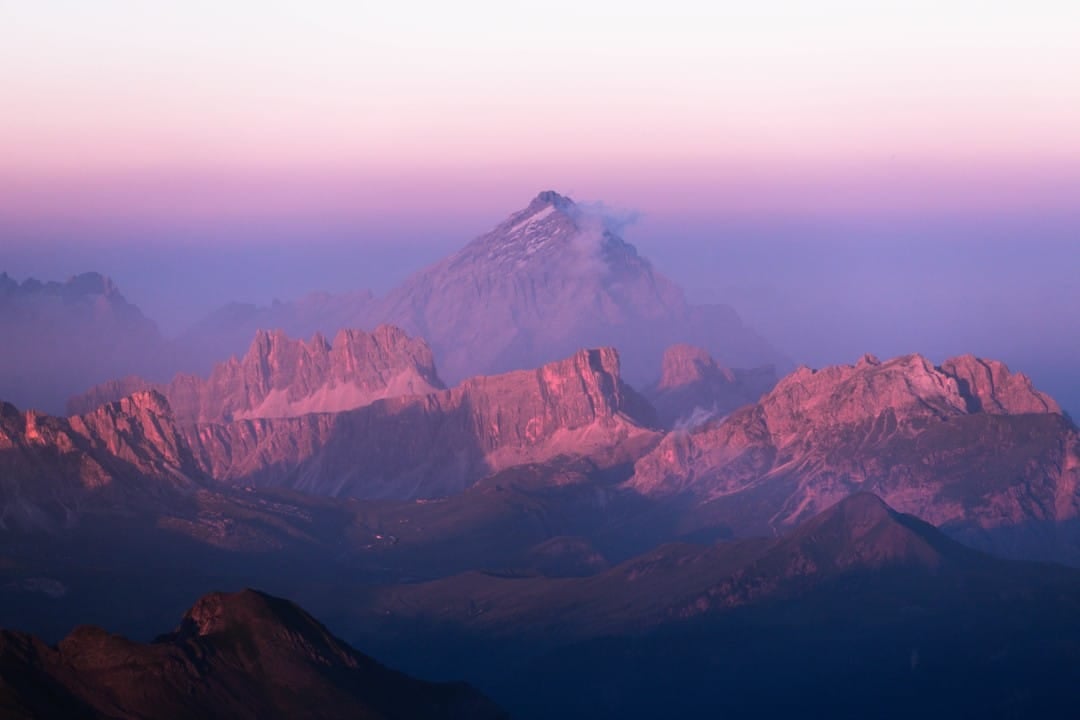
The state of Colorado, especially in the areas of Front Range and Denver, frequently experiences intense winds with destructive potential. Este climate phenomenon, although common in the region, is the result of a particular geophysical interaction that transforms the landscape and poses significant challenges to residents and local authorities. The repetition of events with severe wind gusts has been constant, raising concerns about safety and infrastructure.
During periods of drought, such as the atypically dry and warm winter recorded previously, the frequency of danger warnings and fire restrictions increases considerably. Em Denver, for example, at least 11 red flag alerts were issued in a concentrated period, highlighting the region’s vulnerability to extreme weather conditions. The combination of strong winds and dry vegetation creates a scenario ripe for the rapid spread of fires, a risk that local communities need to continually manage.
The dynamics of these winds often cause a range of disruptions and damage, from flight delays and cancellations at busy airports to the closure of important roads. The overturning of trucks on expressways, the emergence of fires in undergrowth and power cuts are direct consequences of these episodes, which directly affect daily life and the region’s economy. Escolas are also often closed as a preventative measure, underlining the seriousness of the situation.
Intense winds in Colorado: A recurring pattern
Front Range of Colorado is notoriously known for its strong winds, a pattern that manifests itself repeatedly throughout the year. Este scenario is driven by a specific meteorological phenomenon, which gives the region a unique and often challenging climatic characteristic. The local meteorology team frequently compares wind events to weather patterns observed on previous occasions, indicating a regularity in the occurrence of these episodes.
The danger of fires is significantly increased by winds, forcing electrical companies to consider preventative shutdowns to mitigate risks of sparks and overheating of the grid. Mesmo With these precautions, the occurrence of fires in low vegetation has been reported, with the flames spreading quickly due to the strength of the gusts of wind. Managing these risks is a constant priority for emergency teams.
The genesis of the mountain wave: Como it forms
The main reason behind the frequent windstorm in Front Range and the Denver metropolitan area is a phenomenon known as “mountain wave”. Conforme explained by meteorologist Jacob Woods, this is a unique configuration that appears exclusively on the lee sides of high-altitude mountain ranges. The Rochosas mountains provide the ideal setting for their formation, acting as a natural obstacle to air masses.
This phenomenon occurs when a dense layer of stable air mass positions itself over the mountains and extends to Denver. Air coming from the west encounters the mountainous barrier, being forced to rise toward the top and then down the eastern slope. The stability of the air above the mountain prevents it from rising or falling freely after reaching the peak, since the presence of the mountain itself and Terra restricts its vertical movement.
Due to this restriction, the same amount of air mass, carried by the wind, is compelled to cross a much narrower and smaller area. The only way this air mass can pass through this bottleneck is by accelerating its speed, a fundamental principle of thermal dynamics. As the air accelerates and descends the mountainside, it expands, resulting in the intense gusts of wind that characterize windy days in Front Range.
Daily impacts and risk alerts
The strong winds on Front Range are not just a meteorological phenomenon to watch out for; they have direct and far-reaching repercussions on everyday life and public safety. The frequent occurrence of such events has led authorities to issue a series of warnings and recommendations to the population, aiming to minimize the dangers and associated inconvenience. Transport and infrastructure are particularly vulnerable, requiring rapid and coordinated responses.
Impacts include:
Soil moisture, historically low after a dry and warm winter in most of the state, is an aggravating factor. Entre the mountains and the Interestadual 25, the drier soil is easily lifted by the force of the wind, generating dust clouds that drastically reduce visibility and further increase the risk of accidents and fires. Esta combination of factors transforms the wind into a multifaceted threat.
The wind cycle and low soil moisture
The interaction between strong winds and soil conditions is a crucial aspect of understanding the full range of risks in Front Range. With parched vegetation and low soil moisture, the wind’s ability to lift dirt particles and dust is amplified, creating low visibility conditions that can be as dangerous as the winds themselves. Esse scenario is a constant reminder of the need for environmental management and emergency response.
The recurrence of dry, warm winters exacerbates this fragility, leaving the terrain more susceptible to erosion and the formation of dust clouds. Além Compromising road safety, this fine dust also poses a risk to the population’s respiratory health, especially for those with pre-existing conditions. The complexity of these events requires an integrated approach to protecting communities.
Notable incidents: Vidas and affected roads
The recent history of Colorado is full of vivid examples of the dangers posed by high winds and dust. On February 17, 2025, a pileup involving at least 30 vehicles on Interestadual 25 resulted in the loss of four lives, a tragic event directly attributed to low light and hazardous driving conditions caused by dust. Incidentes like this serve as a grim reminder of the potential consequences, echoing the importance of weather warnings and strict safety measures. Na Rodovia 93, similarly dangerous driving conditions were observed, and public health alerts were issued due to dust in northern Colorado. Esses events highlight the need for constant vigilance and efficient response planning to safeguard the lives and safety of citizens traveling through these frequently affected regions. Local authorities, in collaboration with meteorologists, continually work to predict and mitigate such risks by improving early warning systems and communication with the public.
Preventive measures and public safety
Given the recurrence and intensity of winds in Front Range, local and state authorities implement several strategies to protect the population and minimize damage. Issuing weather warnings, such as red flag warnings, is crucial to informing the public about imminent risks and recommended actions. Essas communications are designed to prepare residents for approaching adverse conditions.
Common recommendations include suspending burning activities and cautious use of equipment that can generate sparks in order to reduce the risk of undergrowth fires. Community cooperation is critical to the success of these preventive measures, helping to create a safer environment for everyone. Public education about the dangers of wind is an essential component of the safety strategy.
Air thermal dynamics: Forced acceleration
The acceleration of the wind as it moves down the mountains is not a random event, but rather a direct consequence of the laws of atmospheric physics. Quando stable air is compressed into a narrower space, its speed inevitably increases. Esta “natural law of thermal dynamics”, as described by experts, is what generates the violent gusts that impact Front Range, transforming the landscape into a natural laboratory for extreme meteorological phenomena.
Preparation scenario for future episodes
An in-depth understanding of the mountain wave phenomenon and its direct impacts on Front Range is essential so that communities in Colorado can effectively prepare for future episodes of strong winds. Persistent dry winters raise concerns about soil moisture and subsequent fire risk, making planning and surveillance even more critical. Investimentos on resilient infrastructure, such as more robust electrical grids and advanced fire warning systems, are ongoing discussions among urban managers and planners. Além In addition, continued education of the public about best practices during wind events — including road safety, fire prevention, and preparedness for power outages — plays an indispensable role. Collaboration between meteorological, public safety agencies and the community is key to mitigating risks and ensuring the safety and well-being of the region’s residents, transforming the response to these climate challenges into a model of adaptability and resilience.



