
Fake Brazilian dentist arrested in New Jersey after abandoning patient during root canal surgery

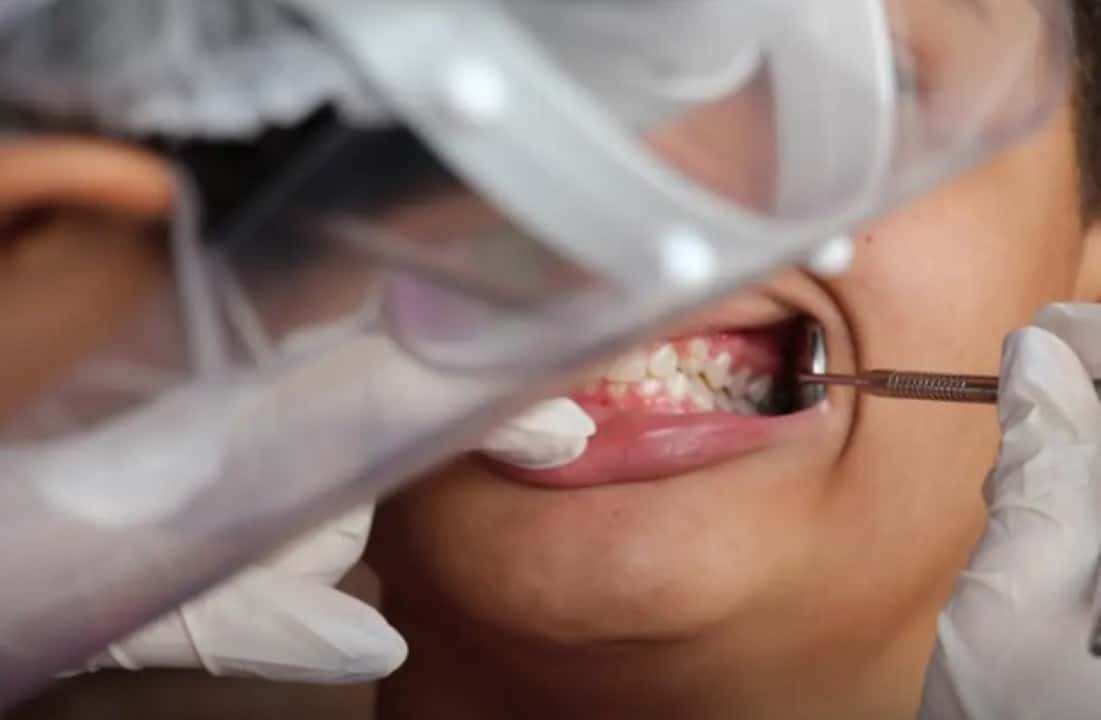
Police authorities in the state of Nova Jersey arrested a 49-year-old Brazilian citizen on charges of illegal practice of dentistry and aggravated assault. The suspect, identified as Ana C. The case occurred in the town of Old Bridge, where the woman allegedly operated a clandestine service scheme aimed mainly at immigrants. The arrest exposes a network of irregular medical services offered through direct messaging applications.
The investigation revealed that the woman did not have any type of license or valid professional registration to work as a dentist in the United States. The arrest warrant was served on February 19, culminating in the formal indictment of the suspect for multiple violations of the state’s public health and safety laws. The local police department has taken custody of the suspect while prosecutors prepare the case for presentation in county court.
Details of the interrupted surgical procedure
The incident that triggered the police action occurred in September of the previous year, when an individual sought the services of the suspect for the treatment of a tooth canal. The financial agreement stipulated payment of one thousand dollars for the complete procedure.
The victim made an advance of three hundred dollars in cash before the intervention began. The service took place in a location previously agreed between the parties, outside of an adequate clinical environment and without the required health regulations.
During the session, the fake professional administered local anesthesia and used a dental drill to drill the patient’s tooth. However, she abruptly stopped work before the surgery was completed.
The suspect informed the patient that he would not be able to complete the root canal treatment, advising him to seek a licensed dentist to resolve the problem. The victim was left at the scene with gauze in the mouth and active bleeding.
Complaint and start of police investigations
After leaving the scene of the unfinished procedure and seeking emergency medical attention to stop the bleeding and pain, the victim attempted to contact the suspect to demand the return of the three hundred dollars paid in advance. Diante After refusing and blocking communication channels, the patient decided to formalize a complaint. On the twenty-seventh of September, he attended the South River police station, detailing the events and handing over evidence of the conversations and financial transfers to the investigators on duty.
Based on this official record, detectives began an investigation process that lasted several months, focused on tracking the woman’s activities in the region. The authorities cross-checked data with the regional dentistry council of Nova Jersey, confirming the total absence of professional records in the name of the person being investigated. The investigation gathered sufficient documentary and testimonial evidence for a judge to issue search and arrest warrants, classifying the conduct not only as fraud, but as a direct risk to the physical integrity of the community.
Patient acquisition strategy in apps
The tactic used to attract customers was based on the exploitation of WhatsApp groups composed mainly of Brazilian immigrants residing in Nova Jersey. The suspect published frequent advertisements offering dental services at prices significantly lower than those charged in the regular market.
Advertising messages promised everything from simple cleanings to complex procedures, such as extractions and root canals. The language barrier and difficulty in accessing the traditional healthcare system for some immigrants made it easier for some immigrants to accept these clandestine offers.
In addition to messaging apps, the woman maintained active profiles on social networks, where she presented herself as a healthcare professional, mother and wife. Essas platforms served to create a false sense of credibility and trust among potential victims.
Risks associated with the illegal exercise of the profession
The practice of dentistry by individuals without the appropriate academic training and state licensing represents a serious threat to public health and may result in irreversible harm to patients. Procedimentos invasive procedures, such as root canal treatment, require in-depth anatomical knowledge, rigorous sterilization of instruments and precise control in the administration of local anesthetics. The absence of these protocols in clandestine environments exponentially increases the risk of serious systemic infections, permanent nerve damage, uncontrollable bleeding and even anaphylactic shock due to incorrect medication use. Health authorities constantly warn that the initial financial savings obtained by contracting irregular services often turn into exorbitant medical expenses to repair the damage caused. Além Furthermore, the lack of emergency equipment, such as defibrillators and oxygen, in unauthorized locations, makes it impossible to provide immediate assistance if the patient presents a cardiac or respiratory complication during the surgical intervention.
Search for other possible victims in the region
Following the arrest, the police department issued public statements requesting that other people who received treatment from the suspect come forward to authorities. Investigators believe the number of injuries could be substantially higher.
Many patients at clandestine clinics are hesitant to go to the police due to fear of reprisals or concerns about their immigration status. Security forces ensured that the focus of the investigation is exclusively on the illegal practice of medicine, encouraging safe reporting.
Dental regulation in the Estados Unidos
The licensing system for healthcare professionals in the Estados Unidos is rigorous and administered independently by each state. Para To practice dentistry legally in Nova Jersey, an individual must have a diploma from an educational institution recognized by the national association of the category, in addition to passing exhaustive theoretical and practical exams. Profissionais graduates in other countries, like Brasil, must go through a long diploma revalidation process, which often requires enrollment in advanced programs at American universities before the definitive license is granted.
Enforcement of these requirements aims to ensure that all patients receive a minimum standard of care, based on scientific evidence and up-to-date safety protocols. The operation of clinics without a license circumvents this entire protection system, putting the vulnerable population at direct risk. Professional councils maintain free, public databases on the internet, allowing any citizen to check a dentist’s license status before scheduling an appointment, a key tool for preventing medical fraud.
The role of social networks in the proliferation of fraud
The advancement of digital communication platforms has transformed the way clandestine services are sold in urban centers. The ease of creating fake professional profiles allows unqualified individuals to reach hundreds of people daily, bypassing traditional advertising oversight methods.
Authorities face increasing difficulties monitoring closed groups on messaging apps, where most illicit trading takes place. Community collaboration, through anonymous reporting and providing screenshots, has become essential to identifying and dismantling these dangerous operations.
Legal consequences and progress of the process
The person being investigated remains at the disposal of the North American judicial system, awaiting preliminary hearings that will define the conditions of a possible bail and the next steps of the criminal trial. The aggravated assault and medical fraud charges carry severe penalties, which can result in years of incarceration in state penitentiaries, as well as the imposition of heavy financial fines and possible deportation upon completion of the sentence.



