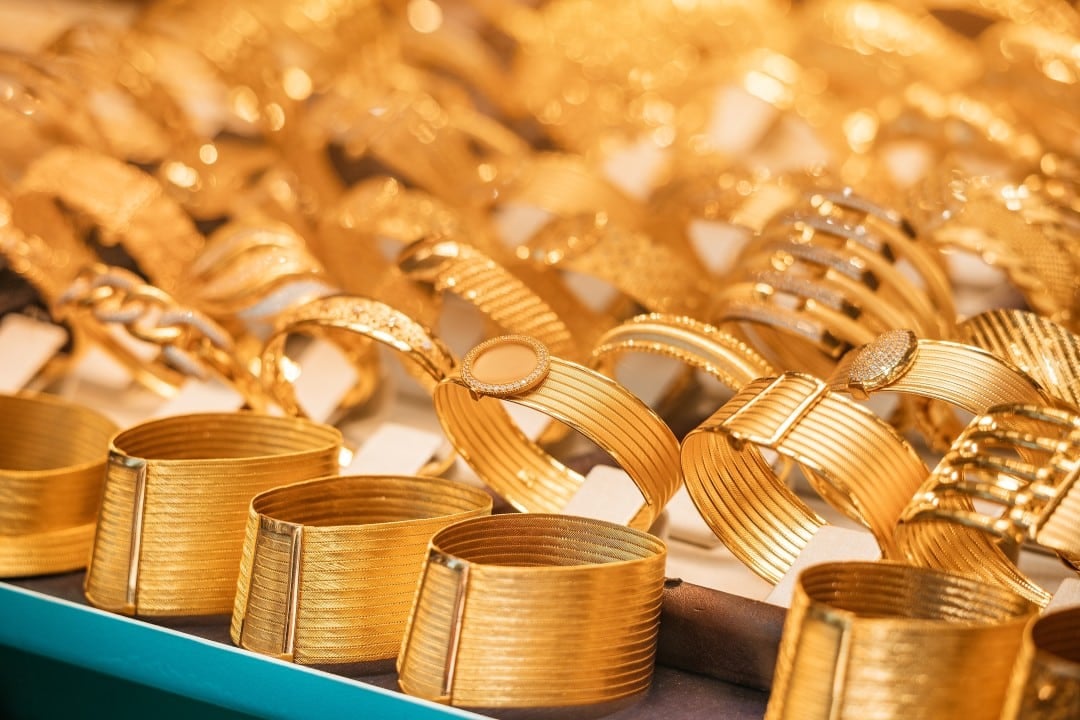
Global commodity markets have seen a persistent rise in gold and silver prices, a direct reflection of a complex geopolitical scenario and growing economic uncertainty. Investidores seek safe havens to protect their capital in times of volatility, and precious metals are consolidating themselves as one of the main alternatives. Essa appreciation dynamics are fueled by a series of interconnected factors, creating a favorable environment for the advancement of these assets.
The escalation of tensions in several regions of the world, especially in Oriente Médio, plays a crucial role in this market movement. Conflitos underway and the threat of new instabilities lead to a heightened search for tangible goods, considered more resilient to economic and political shocks. Tal behavior not only drives demand for gold, but also lifts silver, often seen as its “poorer brother” but with an important industrial and investment role.
In this context, confidence in fiat currencies and other traditional assets tends to decrease, directing the flow of capital towards gold and silver. Essa strategic reallocation of investments aims to mitigate risks, protecting portfolios against inflation, currency devaluation and stock market turmoil. The perception that these metals maintain their value over time becomes a pillar for the decision of many.
The demand for safe havens
The search for security is the main driver behind the appreciation of gold and silver. In periods of crisis or great uncertainty, investors tend to divert their resources from assets considered more risky, such as shares and emerging market debt securities, to commodities that have historically demonstrated resilience. Gold, in particular, has been revered for centuries as the ultimate store of value.
Silver, although more volatile due to its significant industrial use, also benefits from this rush to safety. In crisis scenarios, their correlation with gold increases, and the perception that both metals are “real” assets and independent of government decisions or specific monetary policies, amplifies their appeal. Essa duality of refuge and industrial commodity gives silver an interesting complexity for market analysts.
Context of conflicts and regional impact
The global geopolitical situation, with pockets of instability in different parts of the globe, such as the war with Irã, as reported on March 13, 2026, kept the demand for gold and silver high, even in the face of occasional fluctuations. Embora news from that day recorded a fall in silver to 279,900 rupees per kilogram in the domestic market, this movement was specific to a market and local context, and did not represent the global trend. Prolonged tensions in Oriente Médio, for example, generate an environment of caution that spreads to other economies. Uncertainty regarding the stability of oil and gas supply chains, as well as the potential implications for international trade, have market participants scrambling for protection. Esse scenario of geopolitical risks is a constant fuel for the appreciation of precious metals, which are seen as insurance against unpredictable events of great impact.
Recent performance of metals in the international market
Market analysts note that gold has maintained a high level in recent months, frequently testing and overcoming important resistance. The resilience demonstrated by the yellow metal highlights the strength of demand for assets that offer protection against inflation and currency devaluation. Gold’s consistent performance attracts both institutional investors and small savers.
Silver, in turn, closely follows the behavior of gold, but with greater inherent volatility. Seu price is influenced not only by the demand for investment as a refuge, but also by the performance of the industry, which uses it in electronics, solar panels and jewelry. Essa silver’s double face makes it a dynamic and, at times, more speculative asset.
Even with normal daily market fluctuations, the long-term trend for both metals has been upward. Reports from several financial analysis houses point to the continuation of this trajectory, as long as the global macroeconomic scenario remains unfavorable for higher risk assets. The ability of both metals to function as a global store of value remains a determining factor.
It is essential that investors looking to invest in these assets monitor prices in real time and understand the factors that influence their prices. Ações like the war with Irã, mentioned in March 2026, can generate spikes in demand and consequent appreciation, but the general behavior of the market reflects a series of broad economic and political variables.
The attractiveness of silver for investors
Silver has a peculiar attractiveness to investors that extends beyond its role as a precious metal. Sua’s vast application in emerging industrial sectors, such as the manufacturing of electric vehicles and renewable energy technologies, gives it a structural demand that gold does not have to the same extent. Essa characteristic makes it a hybrid asset, with potential for appreciation both due to its scarcity and its practical utility.
Additionally, silver is often more affordable for smaller investors looking to enter the precious metals market. Sua price per ounce or gram is significantly lower than that of gold, allowing portfolio diversification with a more modest initial investment. Esse democratic factor contributes to its popularity among different segments of investors.
Perspectives for future quotes
Market projections indicate that gold and silver should maintain their relevance as security assets. Persistent economic challenges, such as inflation in developed economies and uncertainty about global growth, continue to strengthen the case for including precious metals in investment portfolios. Analistas predict that the increase in interest rates by some central banks may generate short-term volatility, but the upward trend will continue.
Continued demand from central banks, which have been increasing their gold reserves in recent years as a way to diversify and protect their currencies, is another factor supporting prices. Essa institutional movement demonstrates a validation of gold as an essential component of global financial stability. China and Índia, in particular, are big buyers.
Although the scenario of war and geopolitical instability is an obvious catalyst, other macroeconomic factors, such as the devaluation of the dollar and the fiscal policy of great powers, also influence prices. The interconnection of these elements creates a complex but favorable environment for the long-term appreciation of metals.
Additional Economic Factors in Valuation
Inflation is one of the main allies of the appreciation of precious metals. As the purchasing power of fiat currencies decreases, investors naturally seek out assets that historically preserve value, such as gold. The perception that central banks may have difficulty controlling inflation without negatively impacting economic growth reinforces this trend.
Another relevant factor is interest rate policy. Embora the increase in rates may make other assets (such as bonds) more attractive, in a scenario of uncertainty and high inflation, gold still stands out. Its lack of income is compensated by its ability to act as a hedge against the loss of value of the principal capital in an environment of rising prices.
Advice for those looking to invest in metals
For those considering investing in gold and silver, it is essential to perform a careful analysis of market conditions and your own financial objectives. Portfolio diversification is a prudent strategy, and precious metals can play an important role in it. Acompanhar global news and expert analysis can provide valuable insights for decision-making.