
Launch of Nothing Phone 4a brings 120Hz AMOLED screen and 5080mAh battery to the market

The global mobile device market receives a new addition with the official announcement of the latest smartphone focused on the mid-range segment, designed to balance cost and advanced technical specifications. The device was presented at a global event on March 5th, laying the groundwork for the product to hit the shelves. The distribution strategy foresees the start of sales in selected markets from March 13th, marking the expansion of the manufacturer’s portfolio in the mobile phone sector.
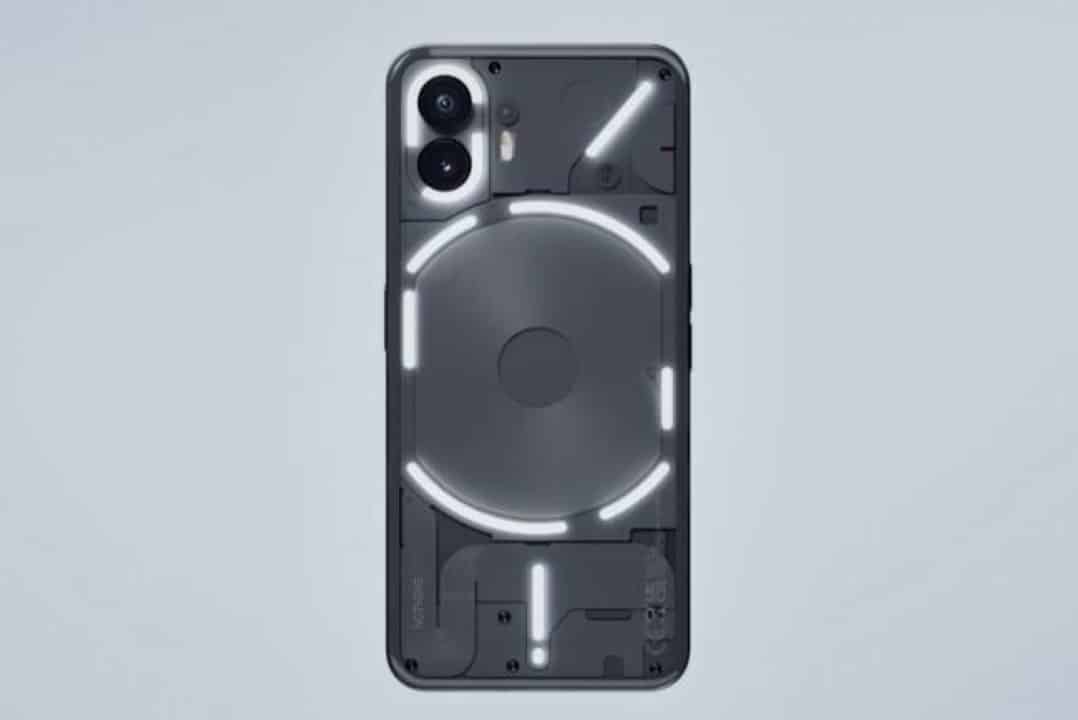
This new device was developed to serve users who seek consistent performance in daily tasks, media consumption and playing light games, without the need to invest in premium category devices. The manufacturer maintained the visual identity that became its trademark, incorporating a transparent back panel that exposes part of the device’s internal engineering. Essa aesthetic approach is complemented by a redesigned luminous interface, which acts both as a design element and as a functional tool for notifications and interactions with the operating system.
The software base of the device is built on the Android 16 operating system, operating under the custom interface Nothing OS 4.1. Essa combination aims to deliver a fluid user experience, with a focus on resource optimization and integration of tools based on artificial intelligence. The manufacturer has established an extended technical support schedule, guaranteeing three years of major operating system updates and extending the provision of security packages for a period of six years, which extends the device’s useful life on the market.
The development of this model reflects a move by the technology industry to democratize resources previously exclusive to high-cost devices. The inclusion of updated hardware components, combined with efficient software management, allows the device to perform multiple tasks simultaneously with stability. The focus on durability and long-term support also responds to growing consumer demand for electronic equipment that offers greater longevity and security against digital vulnerabilities over years of use.
Physical structure and design engineering
The chassis construction uses a durable plastic frame designed to absorb everyday impacts, while the front is protected by Gorilla Glass 7i glass. Essa combination of materials ensures that the device can withstand falls from up to one meter in height, providing an extra layer of safety for the user. The physical dimensions of the equipment are 164 millimeters high, 77.6 millimeters wide and 8.6 millimeters thick, resulting in a total weight of 204.5 grams, which provides adequate ergonomics for prolonged handling.
The device is also IP64 certified, ensuring protection against dust ingress and resistance to water splashes, making it suitable for use in different environmental conditions. The color palette available for the launch includes traditional options such as black and white, as well as blue variants and a possible pink version, expanding the aesthetic alternatives for consumers. The transparent rear remains the primary visual differentiator, highlighting the internal components in a stylized way.
Panel specifications and visual quality
The display interface is made up of a 6.78-inch AMOLED screen, which delivers a resolution of 1.5K, equivalent to 2720 by 1224 pixels. Essa configuration results in a density of 440 pixels per inch, ensuring high clarity when reproducing texts, images and videos. The panel technology allows for color reproduction at 10-bit depth, which translates into a wider and more accurate range of tones for consuming multimedia content.
The fluidity of navigation is ensured by a variable refresh rate that oscillates between 30Hz and 120Hz, automatically adapting to the type of content displayed to optimize battery power consumption. The panel reaches a maximum brightness of 4,500 nits when playing HDR content, while typical brightness remains at 800 nits, with a high brightness mode that reaches 1,600 nits, making it easier to read and view even in direct sunlight.
To minimize eye strain during prolonged periods of use, the screen incorporates 2160Hz pulse width modulation technology. Esse feature reduces panel flickering at low brightness levels, protecting the user’s vision in low-light environments. Color calibration and contrast are factory-adjusted to provide a balanced viewing experience true to audiovisual industry standards.
Processing and memory architecture
The device’s processing core is powered by the Snapdragon 7s Gen 4 chipset from Qualcomm, a platform developed to offer energy efficiency and speed in intermediate devices. Esse processor allows fast application execution, agile system startup and adequate support for games with moderate graphical demands. The chip’s architecture is designed to manage multiple background tasks without compromising the overall stability of the operating system.
To support the processor, the device is sold in variants that offer 8 gigabytes or 12 gigabytes of RAM memory in the LPDDR4x standard. Essa volatile memory capacity is sufficient to keep several applications open simultaneously, making it easier to switch between productivity tasks, social networks and internet browsing without the need to constantly reload pages or software.
Internal storage uses UFS 3.1 technology, available in capacities of 128 gigabytes or 256 gigabytes. Esse flash memory standard provides significantly faster read and write speeds than previous generations, which speeds up application installation and large file transfers. The speed of data access directly contributes to the perception of fluidity during daily use of the equipment.
The manufacturer chose not to include a slot for memory expansion via microSD card, directing users to rely exclusively on high-speed internal storage or cloud solutions. Essa engineering decision aims to maintain the integrity of data read speed while avoiding the performance bottlenecks often associated with the use of lower quality external memory cards.
Photographic system and image capture
The set of rear cameras is led by a 50-megapixel main sensor equipped with optical image stabilization, a key feature for reducing blur in photos taken on the move or in low-light environments. The photographic module is complemented by an 8 megapixel ultrawide lens, ideal for capturing wide landscapes and groups of people, and a 50 megapixel periscopic lens that offers 3.5 times optical zoom, allowing you to get closer to distant objects without significant loss of quality. The front camera, dedicated to video calls and self-portraits, has a 32 megapixel sensor positioned discreetly on the screen.
Image processing is enhanced by software algorithms that include Ultra XDR mode and dedicated features for night photography, optimizing exposure and contrast of shots. The device also supports recording videos in 4K resolution at 30 frames per second, providing high-definition footage for content creators and everyday users. The integration of artificial intelligence into the camera app helps identify scenes and automatically adjust photographic parameters to obtain the best possible result in different lighting scenarios.
Power management and autonomy
The smartphone’s power supply is guaranteed by a high-density battery with a capacity of 5,080mAh, designed to sustain the hardware during long periods of continuous operation. Testes laboratory tests indicate that the component is capable of providing up to seventeen hours of autonomy in a mixed-use scenario, which includes internet browsing, video playback, messaging and intermittent gaming sessions. Para charge replenishment, the equipment supports 50-watt wired fast charging technology, allowing the user to recover a significant percentage of the battery in a few minutes when connected to the socket. The device’s internal engineering features thermal sensors that monitor the temperature during the recharging process, adjusting the electrical current to prevent overheating and preserve the long-term chemical health of the lithium-ion cells. The manufacturer made the technical decision not to include support for wireless charging in this model, focusing the resources on improving the speed and safety of charging via a USB-C cable. The operating system also plays an active role in power management, using algorithms to suspend idle applications in the background and optimize processor and screen consumption according to the owner’s daily usage patterns. Essa combination of robust hardware and intelligent software aims to eliminate the need for multiple recharges throughout a standard workday. The user interface provides detailed statistics on battery consumption, allowing the user to identify which applications are demanding the most power and adjust permission settings as necessary to maximize the device’s autonomy away from outlets.
System updates and artificial intelligence
The implementation of Android 16 under the Nothing OS 4.1 interface brings a renewed focus on minimalist customization and integration of artificial intelligence tools. The system is designed to learn user habits, anticipating actions and optimizing memory allocation for the most used applications. The six-year commitment of security updates positions the device as a viable option for extended corporate and personal use, mitigating risks associated with emerging software vulnerabilities.
Bright interface and connectivity features
The innovative Glyph Bar, located on the back of the device, acts as an advanced visual notification system, replacing the traditional alert LED. The component is made up of 63 mini LEDs divided into seven independent zones, allowing the user to create personalized light patterns for different contacts or types of applications. The Flip to Glyph functionality silences the device when placed with the screen down, using only the lights to alert you to incoming calls and messages.
In terms of audio and connectivity, the smartphone is equipped with stereo speakers that provide an immersive sound experience for media consumption, although the manufacturer recommends using Bluetooth headphones to obtain the best possible audio quality. Support for eSIM technology is present, making it easy to switch operators and activate data plans without the need for a physical chip, although the availability of this feature may vary according to the sales region and local telecommunications infrastructures.



