
Manufacturer details how Privacy Display works on the Galaxy S26 Ultra and provides security guidance

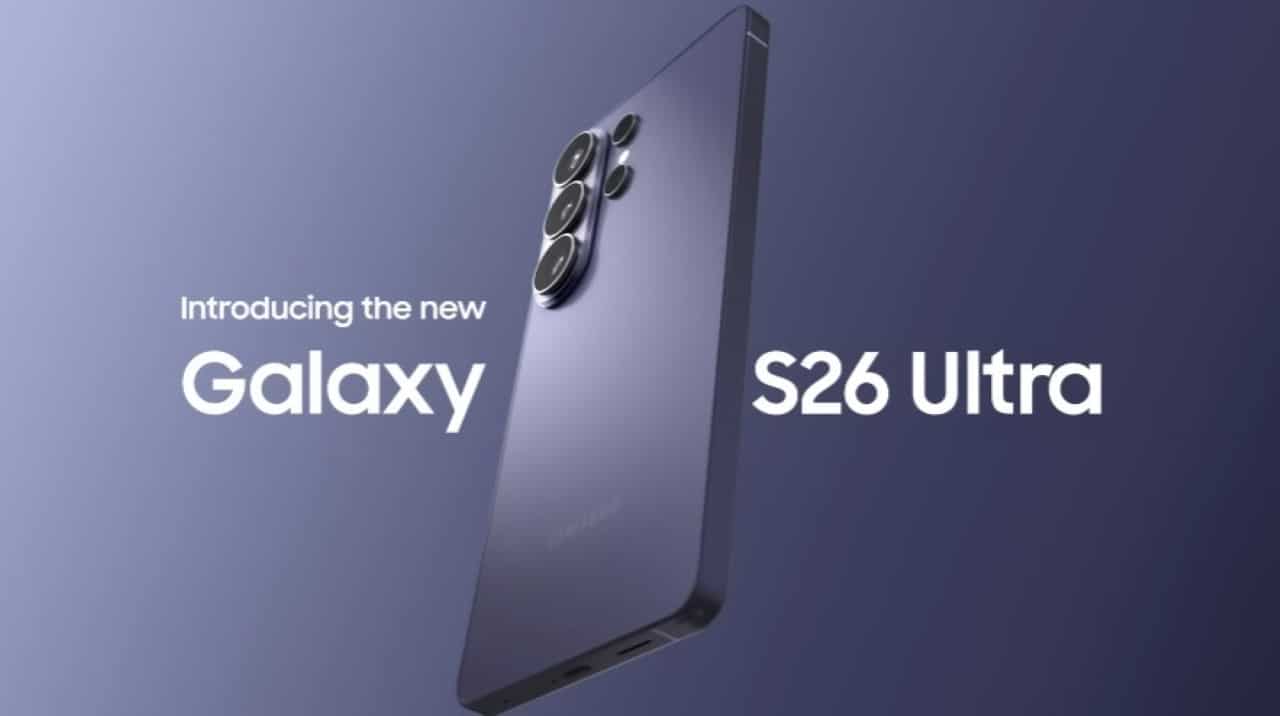
The South Korean multinational issued an official statement detailing the operation of the new visual protection technology integrated into its latest generation smartphones. The feature, focused on restricting screen visibility in public places, hits the market with specific usage guidelines and technical parameters that consumers need to understand before daily use.
The system acts directly on the emission of light from the mobile device panel, creating a directional filter that favors those positioned directly in front of the device. Activating the tool instantly changes the display’s conventional viewing angles, darkening the peripheral areas for those trying to observe the equipment from the side.
To understand the practical application of the tool, development engineers highlight the following everyday use scenarios:
– Leitura of confidential corporate documents in high-density public transport.
– Acesso to financial institution applications in busy commercial environments.
– Troca of personal or work messages in coworking spaces, food courts or cafes.
Optical engineering applied to the smartphone panel
The development of the Privacy Display into the Galaxy S26 Ultra required the implementation of an additional physical layer on top of the main display pixels. Esta microscopic structure works like a digital shutter, blocking the lateral dispersion of light generated by the high-resolution display. The mechanism acts to contain the photons, preventing the light from spreading around the environment in an uncontrolled manner.
When the user triggers the command in the operating system settings, the hardware changes the voltage applied to that specific layer. The immediate result is the darkening of the visual edges for anyone trying to observe the panel at an angle greater than thirty degrees in relation to the geometric center of the screen. The transition occurs in milliseconds, without requiring application restarts.
The engineering behind this functionality seeks to solve the problem known as shoulder spying, a common tactic for stealing visual data in urban centers. The mechanism ensures that the light is channeled straight, maintaining sharpness, contrast and color fidelity only in the equipment owner’s central viewing axis.
Variables that affect the effectiveness of visual blocking
Despite the sophistication of the hardware, the manufacturer emphasizes that the technology has insurmountable physical barriers that depend entirely on the external environment. The invisibility of the displayed content is not absolute and is directly influenced by the lighting conditions of the location where the user is located when using the device.
One of the main interference factors is the brightness level configured on the smartphone itself. Telas operating at maximum brightness emit an amount of light that can partially surpass the directional filter, allowing close observers to identify shapes, graphics and high contrast colors, even with the privacy function activated in the system.
Ambient lighting also plays a key role in the performance of the protective feature. In excessively dark places, the contrast generated by the device’s bright screen draws more attention and makes it easier to perceive movements on the display. The lack of external light nullifies part of the optical camouflage provided by the directional polarization layer.
The physical distance between the unauthorized observer and the mobile device is another critical variable highlighted in security laboratory tests. Indivíduos positioned a few centimeters away from the main user can still capture fragments of information, especially if the content involves large typographic fonts, detailed spreadsheets, or sharp photographs.
Positioning Guidelines to Maximize Protection
To ensure the proper functioning of the visual protection system, the device’s technical manuals establish clear ergonomic and handling rules. The main recommendation involves keeping the smartphone perfectly aligned with the owner’s face, avoiding sharp lateral or vertical tilts that could deviate the central axis of light emission. The ideal distance between the user’s eyes and the panel must be maintained at a constant range, ensuring that the optical filter acts with maximum efficiency against unwanted peripheral views in high traffic areas.
In addition to the physical positioning of the hardware, the management of software configurations is treated as a mandatory step for information security. The developers advise the use of adaptive brightness in conjunction with the privacy filter, allowing the system to automatically reduce light emission in indoor or nighttime environments. Essa combination of adjustments significantly reduces light leakage around the edges of the screen, creating a more solid barrier against unauthorized viewing attempts and optimizing discretion when using work tools or personal communication.
Risk factors when displaying sensitive data
The use of visual restriction technologies does not eliminate the need for basic information security protocols on the part of individuals in their daily lives. The exposure of bank details, corporate passwords, financial reports or confidential documents on public roads continues to represent a considerable risk, regardless of the activation of advanced screen filters. The manufacturer emphasizes that the hardware acts as a risk mitigating layer, designed to make casual and quick viewing difficult, but does not have the ability to prevent targeted espionage actions that use high-resolution image capture equipment or hidden recording. User behavior remains the most important link in the data protection chain, requiring constant assessment of the environment before opening critical applications. The technical guidance focuses on reducing the time vital information is displayed on the screen, recommending immediately blocking the device after completing financial transactions or reading confidential emails in places with a high flow of passersby, ensuring that the technology only acts as a support for human surveillance.
Evolution of defense mechanisms on mobile devices
The integration of physical barriers against lateral viewing marks a change in the focus of technology companies, which historically only prioritized protection against logical intrusions, network interception and malware. The mobile device market is now treating physical hardware security with the same level of importance as data encryption and two-factor authentication.
The development of panels with directional light control requires significant investments in research into semiconductor materials and precision optics. The implementation of this technology on a large scale demonstrates a direct response to the requirements of corporate and government customers, who demand equipment capable of operating safely outside controlled environments and closed offices.
Impact on battery consumption and panel performance
The continuous activation of the digital polarization layer generates measurable impacts on the energy consumption of the mobile device. Forced light steering requires the panel to operate at a slightly higher voltage to maintain readability on the central axis, which results in an additional drain on battery power during long periods of uninterrupted use of the privacy feature.
Integration with the operating system and biometrics
The functioning of the privacy filter does not act in isolation within the smartphone ecosystem. Software engineering integrated the activation of the visual barrier with the facial recognition and fingerprint reading sensors present in the equipment. Quando the user authenticates their identity, the system instantly calibrates the light emission angle based on the exact position of the eyes captured by the front camera. Essa synchronization between display hardware and biometric sensors ensures that the light focus follows the micro-movements of the owner’s head during reading.
If the device is passed on to another person without previously blocking the screen, the sensors detect the change in the facial pattern and can automatically intensify the lateral restriction, protecting the open content. Essa layer of artificial intelligence applied to the panel’s energy and light management represents an advance in preventing accidental information leaks. The operating system also allows the creation of automated routines, activating the privacy filter autonomously whenever certain applications, such as digital wallets or password managers, are run in the phone’s main memory.
Recommendations for high population density environments
The effectiveness of the privacy system is tested to the maximum limit in places with large crowds of people, such as subway cars at peak times, stadiums or airport queues. In specific scenarios, extreme physical proximity nullifies part of the advantage offered by the restricted viewing angle, requiring extra attention from the equipment operator.
Digital security experts recommend that, in these crowded situations, the user manually lowers the screen brightness to the minimum level acceptable for reading, overriding the system’s automatic control. The drastic reduction in brightness, combined with the display’s physical filter, creates the ideal condition to make it difficult for third parties close to the user to identify characters.
The adoption of additional frosted films over the main glass of the device is also cited as a complementary measure valid in urban routine. Embora the screen already has the technology integrated from the factory, changing the surface texture of the glass helps to disperse unwanted reflections from public lighting and increases the level of lateral opacity, reinforcing the protection of the displayed data against eavesdroppers.



