
Matt Selman Rekindles Hope of Reboot for The Simpsons: Hit & Run with Official Statement

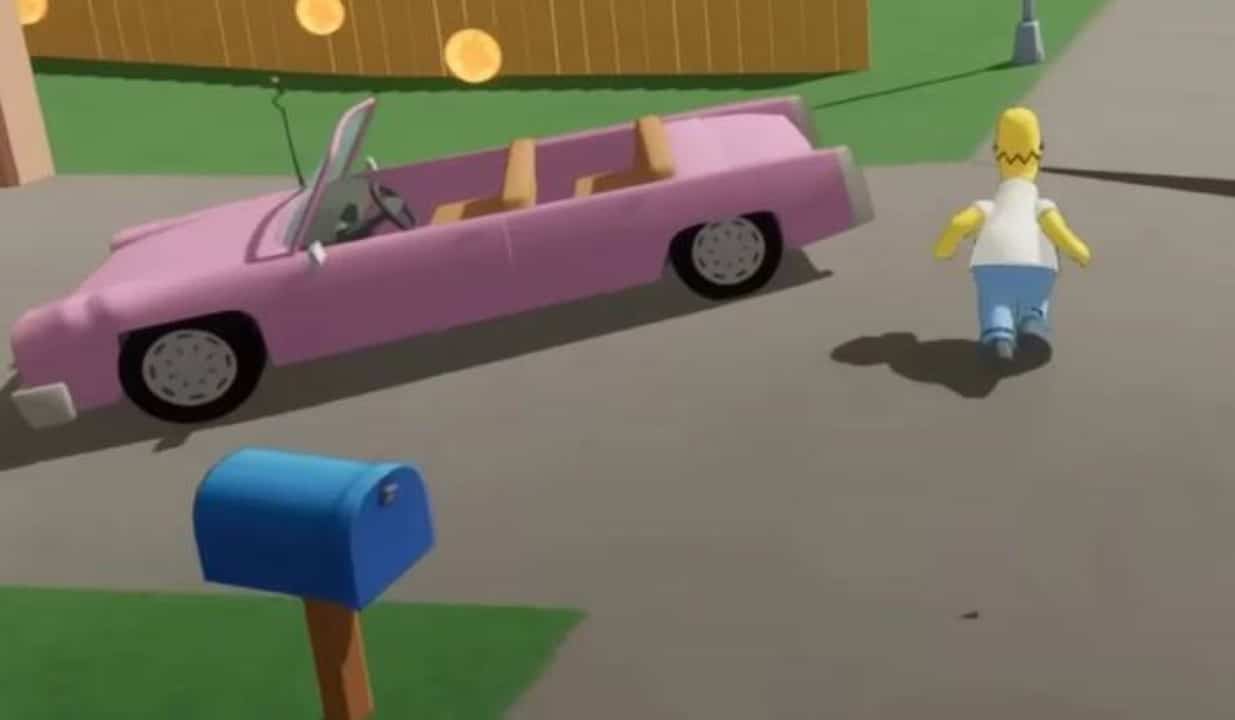
Longtime fans who spent countless hours exploring the vibrant virtual Springfield in “The Simpsons: Matt Selman, executive producer of the acclaimed animated series “The Simpsons”, suggested that a new version of the popular video game is not a completely ruled out idea. The statement, although cautious, rekindled the expectations of a community of players who have been clamoring for a return of the title for more than two decades.
O comentário de Selman surgiu durante entrevistas focadas no marco histórico de 800 episódios de “Os Simpsons”, evento que o levou a refletir sobre o imenso legado cultural da franquia. Nesse contexto, ele abordou também os produtos derivados que, como o jogo, deixaram uma marca duradoura em gerações de fãs. A possibilidade de revisitar o universo de “Hit & Run” demonstra a relevância contínua da obra e o poder da nostalgia no mercado de entretenimento atual.
Although there is no project formally confirmed or in an active development stage, the mere mention of the producer recognizes the persistent demand from aficionados. Essa global community has kept the flame of interest in the game alive, turning it into a true cult phenomenon, long after its initial release for consoles at the time. Fans’ insistence has been a crucial factor in keeping the discussion alive.
The legacy of a cult hit
“The Simpsons: Sua’s action-adventure approach in a vast open world allowed players unprecedented immersion in Springfield.
The game put players in charge of beloved characters like Homer, Bart, Marge, Lisa and Apu, each with their own characteristics and vehicles. The plot involved a series of bizarre events around the city, which included mysterious surveillance cameras, suspicious vans and a complex conspiracy that linked Buzz Cola to two notorious aliens: Kang and Kodos. The narrative, expertly written by Selman in collaboration with Tim Long and Matt Warburton, authentically captured the series’ irreverent humor and countless cultural references.
The gameplay, which many compared to that of “Grand Theft Auto III”, offered a freedom of exploration that captivated fans. Essa inspiration allowed players to drive throughout Springfield, interact with familiar settings, and participate in missions that echoed the chaotic and fun spirit of the animation. The game’s success was largely due to this clever combination of familiar elements from the series with engaging and expansive game mechanics, something rare in television franchise adaptations at the time.
Development battles and the creators’ vision
One of the most interesting aspects revealed about the creation process of “Hit & Run” was the “internal battle” fought over a fundamental game mechanic. Matt Selman confessed to People magazine that the development team initially vehemently resisted the idea of allowing players to freely enter and exit any vehicle found on the streets of Springfield. Essa freedom of action, common in open world games, was not seen favorably by some team members.
“They really didn’t want people getting in and out of cars. Então that was a huge battle that we had to fight,” the producer explained. The insistence of Selman and other members of the creative team ended up prevailing, fortunately, as he himself pointed out: “Fortunately we won this battle because it’s fun to get in and out of cars.” Essa decision proved to be crucial for the immersion and fun that the game provided, allowing for a more dynamic and less restricted exploration of the environment.
Selman himself admitted that the game’s enduring success and “cult” status took him by surprise. Ele did not predict that “The Simpsons: Essa admission underlines the unpredictability of the cultural impact of certain works and how fan reception can transform a title into a timeless classic, exceeding the initial expectations of its own creators.
New hopes and complexities of a return
Speculation surrounding a possible reboot gained new momentum a few weeks ago, driven by a development in the game studio scene. Radical Entertainment, the game’s original developer, announced its return to activities under a new identity: New Radical Games. Essa reactivation is the result of a merger with Hothead Games, creating a new entity in the development market.
The newly formed studio’s official website lists, among its services, the ability to “remaster classic games, enhancing visuals, audio and gameplay to revive beloved titles for modern hardware.” Essa’s description sparked immediate excitement among fans of “The Simpsons: Hit & Run”, who saw it as a clear indication that the studio has the tools and intention to revisit past successes. The ability to modernize classics is a strong trend in the industry, and New Radical Games appears to be positioned to explore this niche.
However, Matt Selman was candid in addressing the complexities inherent in any attempt to bring the game back. Ele highlighted that a project of this magnitude would require intricate corporate negotiations and the involvement of multiple stakeholders. Isso would include everyone from the current rights holders of “The Simpsons” (who now belong to Disney, following the acquisition of 21st Century Fox) to game publishers and the developers themselves. Essa web of interests and agreements can transform a simple desire into a considerable logistical and financial challenge, making any official announcement something that would take time to come to fruition.
Current industry scenario and the search for nostalgia
The video game market has shown a growing appetite for remakes, remasters and reboots of classic titles. Nostalgia has proven to be a powerful driver for sales, with companies investing heavily in bringing back beloved experiences with updated graphics and, sometimes, improved game mechanics. Títulos as “Final Fantasy VII Remake”, “Resident Evil 2 Remake” and “Tony Hawk’s
The demand for a new version of “The Simpsons: Hit & Run” fits perfectly into this trend. Fans are eager to relive the experience of exploring Springfield with the visual and gameplay quality of current consoles, without losing the humorous essence and freedom that made the original game so special. Fidelity to the series, combined with engaging gameplay, is the recipe that many hope to see repeated.
While Selman has made it clear that there is no project in the works on any platform currently and that “nothing is guaranteed,” the “never say never” door he has opened is an important sign. Ela signals that fan outcry is not ignored by the series’ creators, and that the potential of revisiting this beloved chapter in “Simpsons” video game history remains a possibility, albeit a distant one and fraught with obstacles to overcome. Hope, for fans, is what continues to drive the debate and keep alive the expectation of a future return of “The Simpsons: Hit & Run”.



