
Oppo officially launches global Find X9 Ultra with 7550 mAh battery and 200 MP cameras

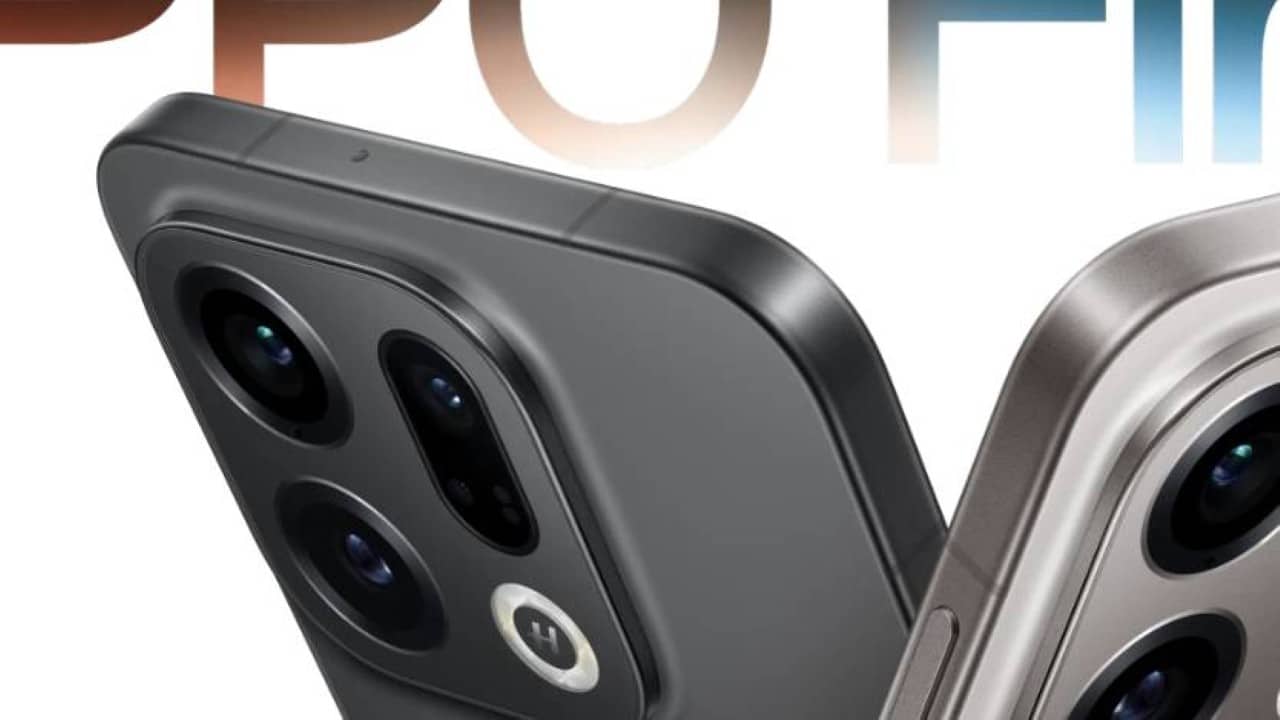
Technology manufacturer Oppo announced the international expansion of its premium smartphone line with the introduction of the Find X9 Ultra model. The device arrives on the global market with the aim of redefining hardware standards in the high-performance category, integrating state-of-the-art components. The company’s strategy aims to consolidate its presence outside the Asian market, competing directly with other giants in the telecommunications sector in the high-end handset segment.
The new device stands out for a set of technical specifications aimed at demanding users and mobile photography professionals. The ongoing partnership with camera manufacturer Hasselblad has been maintained and improved in this generation, bringing new image processing algorithms. The introduction of these specifications on the international market marks a change in the company’s approach to the distribution of its most advanced devices, which were previously restricted to specific regions.
The device’s main hardware has the following technical characteristics confirmed by the manufacturer:
– Processador Snapdragon 8 Elite manufactured using 5 nanometer lithography.
– Photographic Sistema with two 200 megapixel periscopic lenses.
– High density Bateria with a total capacity of 7550 mAh.
– 6.82-inch Tela AMOLED with 120 Hz refresh rate.
Commercialization on a global scale requires adapting the software to multiple languages and certification by different telecommunications regulatory bodies. The company confirmed that the operating system has been optimized to ensure full compatibility with global networks, ensuring that connectivity features work uniformly in all territories where the device will be officially available.
Photographic system with Hasselblad technology
The Find X9 Ultra camera set represents one of the manufacturer’s largest investments in mobile optics research and development. The rear module is made up of four distinct sensors, led by a 50-megapixel main camera equipped with a one-inch sensor, designed to capture a greater volume of light in low-light environments. The ultrawide lens also has 50 megapixels, ensuring high resolution in photographs of landscapes and large architectural elements.
The technical difference of the device lies in the inclusion of two periscopic cameras, both with 200 megapixel sensors. The first lens offers 3x optical zoom, ideal for portraits and medium close-ups, while the second periscopic lens achieves a longer optical zoom, allowing details to be captured at great distances without loss of structural image quality. Image processing is optimized by color calibration algorithms developed in conjunction with the Hasselblad, which ensure accurate tones and support for high-fidelity RAW format captures.
Processing performance and power autonomy
The smartphone’s processing power is driven by the Snapdragon 8 Elite chipset, designed to handle complex tasks and artificial intelligence applications running directly on the device. The processor’s 5-nanometer architecture ensures superior energy efficiency compared to previous generations. Para To avoid thermal throttling, the manufacturer implemented a cooling system with an enlarged vapor chamber, which dissipates the heat generated during prolonged use of heavy games or recording videos at maximum resolution.
Para To support the high-performance hardware, the manufacturer integrated a 7550 mAh battery, one of the largest capacities ever recorded in a top-of-the-line smartphone with a conventional format. The use of solid-state or high-density battery technology allowed the company to significantly increase charging capacity without significantly compromising the thickness, weight or ergonomics of the mobile device.
The power supply system supports 100-watt SuperVOOC technology per cable, capable of restoring the device’s charge in a short period of time. Além In addition, the device offers support for 50-watt wireless charging, meeting the demand of users who use induction bases on work tables or vehicle mounts. Power management is controlled by a dedicated chip that monitors temperature and voltage to preserve battery cell life over the years.
Screen specifications and device construction
The front panel of the device is dominated by a 6.82-inch AMOLED screen, which offers 2K resolution for maximum clarity when displaying texts, graphics and multimedia content. The display technology enables accurate color reproduction, covering a wide range of the DCI-P3 spectrum, a standard demanded by visual editing professionals and digital content creators.
The adaptive refresh rate of 120 Hz ensures fluidity when navigating the operating system interface and when running compatible applications. The LTPO panel is capable of dynamically adjusting this rate, reducing the frequency to up to 1 Hz when static images are displayed on the screen, which directly contributes to energy savings and extending the device’s daily autonomy.
The maximum brightness of the display is designed to provide clear readability even in direct sunlight, a key requirement for smartphone use outdoors. The screen protection features state-of-the-art tempered glass, designed to resist scratches and accidental impacts. Adicionalmente, the screen incorporates high-frequency PWM dimming technology to reduce eye fatigue in dark environments.
The chassis design maintains the line’s visual identity, with a prominent circular camera module on the back, which houses the four sensors and the photographic partnership logo. The metal structure and premium finishes reinforce the device’s positioning in the highest category on the mobile device market, offering water and dust resistance certification for greater durability.
Line expansion with the entry model
Além of the main model, technical information indicates the development of a complementary version, called Find X9s. The Este device aims to attract consumers who seek advanced specifications but prefer a lower purchase cost compared to the Ultra model. The portfolio diversification strategy allows the manufacturer to reach different price ranges within the premium segment, increasing its market share in regions where competition requires multiple choices for the end consumer.
The hardware of the Find X9s presents technical differences in relation to its bigger brother, being equipped with the Dimensity 9500s processor. Embora is a chipset from another manufacturer, it maintains a level of performance capable of running most modern applications fluidly and efficiently. The manufacturer aims to offer a consistent software experience across the entire range, ensuring that even the entry-level models in the series benefit from the company’s system optimizations, updated user interface and global connectivity.
International distribution strategy
The decision to launch the complete series on the international market reflects a change in the manufacturer’s competitive stance compared to its main global competitors in the mobile technology sector. The premium smartphone market requires not only hardware innovation, but also an efficient distribution network, partnerships with local operators and comprehensive technical support in multiple countries. By making devices with high-resolution dual periscopic cameras and extremely high-capacity batteries available outside of its home market, the company is trying to capture the attention of technology enthusiasts who previously had to resort to unofficial imports to access these innovations. The standardization of network frequencies, data security certification and adaptation of the software to different local regulations are operational steps that were completed to enable this large-scale commercial expansion, establishing a new phase in the brand’s international operation.
Commercial availability
Specific details about the exact dates of arrival on shelves and suggested prices for each region will be released through local communications from the company’s subsidiaries. Distribution will begin in a staggered manner, prioritizing strategic markets in Europa and Ásia before reaching other regions throughout the technology sector’s commercial calendar.



