
Premium smartphone battle highlights Vivo X300 Pro and Xiaomi 17 Ultra with focus on lenses and batteries

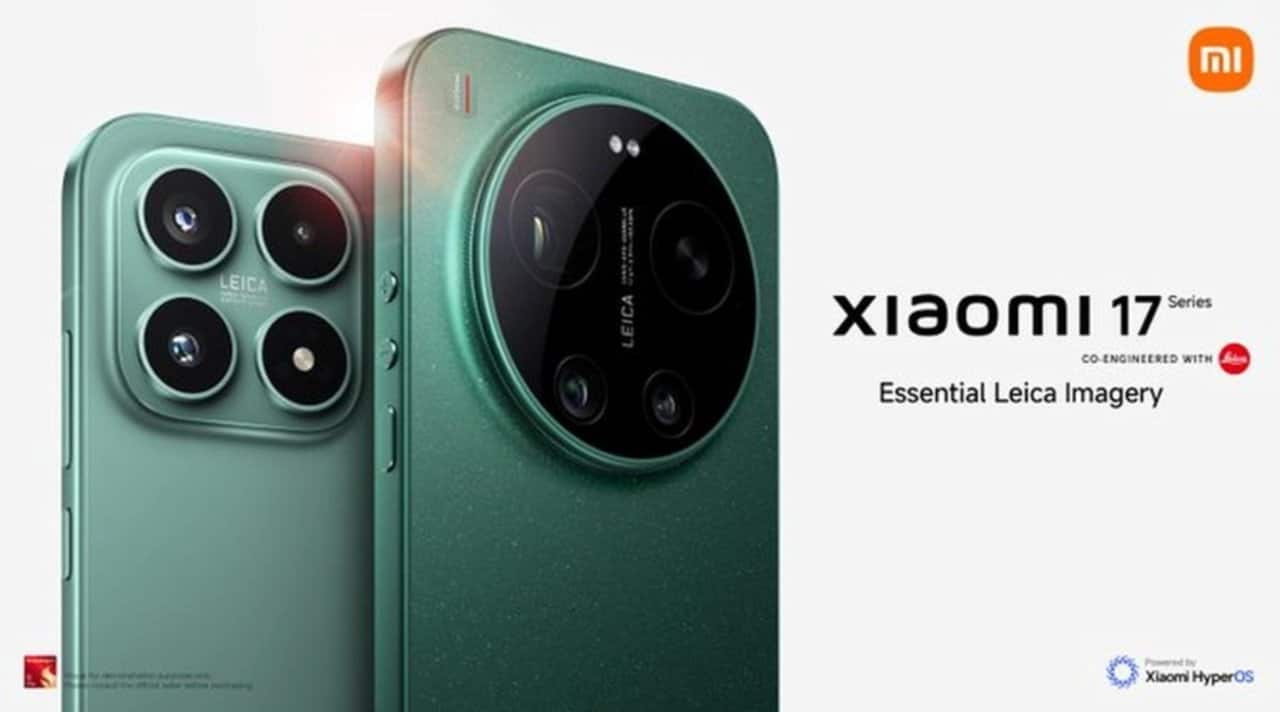
The high-performance mobile device segment is witnessing a new phase of direct competition between large global manufacturers. The recent releases of the Vivo X300 Pro and the Xiaomi 17 Companies direct their efforts to improve internal components and photographic modules.
The brands’ strategy involves partnerships with traditional companies in the optical sector to attract photography enthusiasts. The Vivo X300
On the other side of the dispute, Xiaomi 17 Ultra maintains its alliance with Leica for the development of its image capture system. The device is equipped with the Snapdragon 8 Gen 5 chipset, focused on fast processing and energy efficiency. The technical differences between the models define the target audience for each manufacturer in the current market.
External structure and resistance certifications
The physical construction of the Vivo X300 Pro utilizes an aluminum frame combined with a glass back panel. The camera module occupies a significant area of the back, highlighting the ZEISS brand in the center of the arrangement. The design focuses on straight lines and a smooth finish to facilitate daily handling of the device.
The Xiaomi 17 Ultra takes a different visual approach, with a circular photo module and eco-leather finish on the back. Textured material improves hand grip and reduces fingerprint marks. Ambos the devices have IP68 and IP69 certifications, guaranteeing protection against dust and submersion in fresh water.
Screen specifications and visual fluidity
The front panel of the Vivo X300 Pro features 6.78-inch AMOLED technology and 1.5K resolution. The LTPO adaptive refresh rate reaches up to 120Hz, adjusting the frequency according to the content displayed to save power. Factory calibration prioritizes color fidelity and deep contrast in videos and images.
The Xiaomi model features a slightly larger AMOLED screen, measuring 6.9 inches, maintaining a refresh rate of 120 Hz. The expanded useful area favors reading documents, browsing web pages and playing games. Both displays offer high peak brightness to ensure visibility in direct sunlight.
Processing capacity and internal hardware
The performance of the Vivo X300 Pro is managed by the MediaTek Dimensity 9500, a component manufactured using advanced lithography. The processor handles the execution of multiple simultaneous applications without experiencing drops in performance. The Arm G1-Ultra graphics processing unit is used to render complex scenarios in three-dimensional games.
MediaTek’s chip architecture prioritizes the balance between maximum power delivery and chassis temperature control. Sistemas internal cooling fans dissipate heat generated during intensive tasks, such as recording high-resolution videos. Thermal stability prevents the operating system from crashing after long periods of use.
The Xiaomi 17 Ultra uses the Snapdragon 8 Gen 5 of the Qualcomm, recognized for its high raw processing capacity. Integration with the Adreno 840 GPU accelerates media decoding and improves the frame rate per second in heavy applications. The component also optimizes the use of artificial intelligence-based tools directly on the device.
Memory and data storage settings
The fluidity of switching between applications directly depends on the amount of random access memory available on the system. The Vivo X300 Pro hits the market with versions that offer 12 GB or 16 GB of RAM. The variation allows the consumer to choose the model that suits their daily use profile.
For storing files, the Vivo device offers options of 256 GB, 512 GB and up to 1 TB of internal space. The lack of support for expansion cards makes the choice of initial capacity a determining factor when purchasing. The storage uses fast read and write technology to make opening programs faster.
The Xiaomi simplifies the 17 Ultra line by offering 16 GB of RAM as standard on all units sold. Standardization ensures that the device delivers the maximum performance designed by the manufacturer, regardless of the version chosen. High-speed memory works in conjunction with the processor to eliminate interface delays.
The storage options for the Xiaomi model are restricted to 512 GB and 1 TB, focusing on users who demand a lot of space. Constantly recording videos in 4K or 8K format quickly consumes the phone’s internal memory. High capacities suit content creators who need to keep large volumes of media saved locally.
Photographic systems and lens calibration
The camera configuration of both smartphones has technical similarities, including a 50 MP main sensor, a 50 MP ultra-wide lens and a 200 MP periscopic telephoto lens. The Vivo X300 Pro, through collaboration with ZEISS, applies a special coating to the lenses to minimize unwanted reflections and chromatic aberrations. The image processing software seeks to deliver photographs with natural tones, preserving the details of shadow and high-light areas without exaggerating saturation. The periscope camera allows you to optically zoom in on distant objects with minimal loss of sharpness, making it easier to record sporting events or wildlife.
The Xiaomi 17 Ultra adopts a visual processing philosophy influenced by the Leica, offering color profiles that simulate the classic look of the brand’s analog cameras. The system tends to apply stronger contrast and slightly denser colors, creating images with a more dramatic appearance and ready for publication on digital platforms. The camera app interface provides exclusive filters and manual adjustment tools for experienced photographers. The device’s 200 MP periscopic lens also ensures high-precision zoom, working in conjunction with image stabilization algorithms to prevent blurry photos at long focal lengths.
Energy autonomy and consumption management
The capacity of the batteries represents one of the main technical differences between the global versions of the devices analyzed. The Vivo X300 A specific variant intended for the União Europeia features a smaller 5440 mAh cell due to local regulations and regional hardware optimizations. The Xiaomi 17 Ultra, in turn, integrates a 6000 mAh battery in all its versions, establishing a solid middle ground for the premium category. The actual screen-on time of both devices varies depending on the brightness level of the display, the selected refresh rate and the demands of the running applications. The latest generation processors from both manufacturers have efficiency cores dedicated to basic tasks, reducing energy drain when browsing the internet or playing music. Sistemas fast charging comes with both models, allowing the charge to be completely replenished in short periods, minimizing the time the phone needs to be inactive. Thermal management during charging is monitored by internal sensors to preserve the long-term life of the power cells.
Operational interfaces and ecosystem integration
The two smartphones operate based on the Android 16 system, but with profound modifications to their user interfaces. The Vivo X300 Pro uses OriginOS 6, focused on fluid animations and extensive visual customization options for the home screen. The Xiaomi 17 Security updates and new feature packages are periodically distributed by manufacturers to maintain system stability.



