
Technological confrontation: Vivo X300 Pro and Xiaomi 17 Ultra reveal innovations in cameras and performance

The high-performance smartphone market is witnessing a clash between two Android giants: the Vivo X300 Pro and the Xiaomi 17 Ultra. Ambos devices have been meticulously designed to cater to users seeking not only cutting-edge hardware but also exceptionally advanced camera systems, promising an unparalleled experience. The competition is fierce, with each manufacturer betting on technologies and strategic partnerships to win the preference of the most demanding consumers.
The Vivo X300 In contrast, the Xiaomi 17 Ultra relies on the renowned Leica lenses and the robust Snapdragon 8 Esta In-depth analysis explores features, specifications, and differentiators to determine which model offers the best overall experience.
Both high-end smartphones share a series of features in common, but it is in the details that the differences are accentuated, directly influencing the purchasing decision. Desde from the exterior design to the internal performance and software optimization, every aspect has been designed to elevate the user experience. The choice between them, therefore, depends largely on the individual priorities of each consumer.
Design and construction: aesthetics and resistance
The Vivo X300 The most visually striking feature is the large camera module, which bears the distinctive ZEISS brand, underlining its photographic vocation. Este arrangement not only houses the advanced lenses, but also serves as an aesthetic focal point, conveying the device’s seriousness about capturing images.
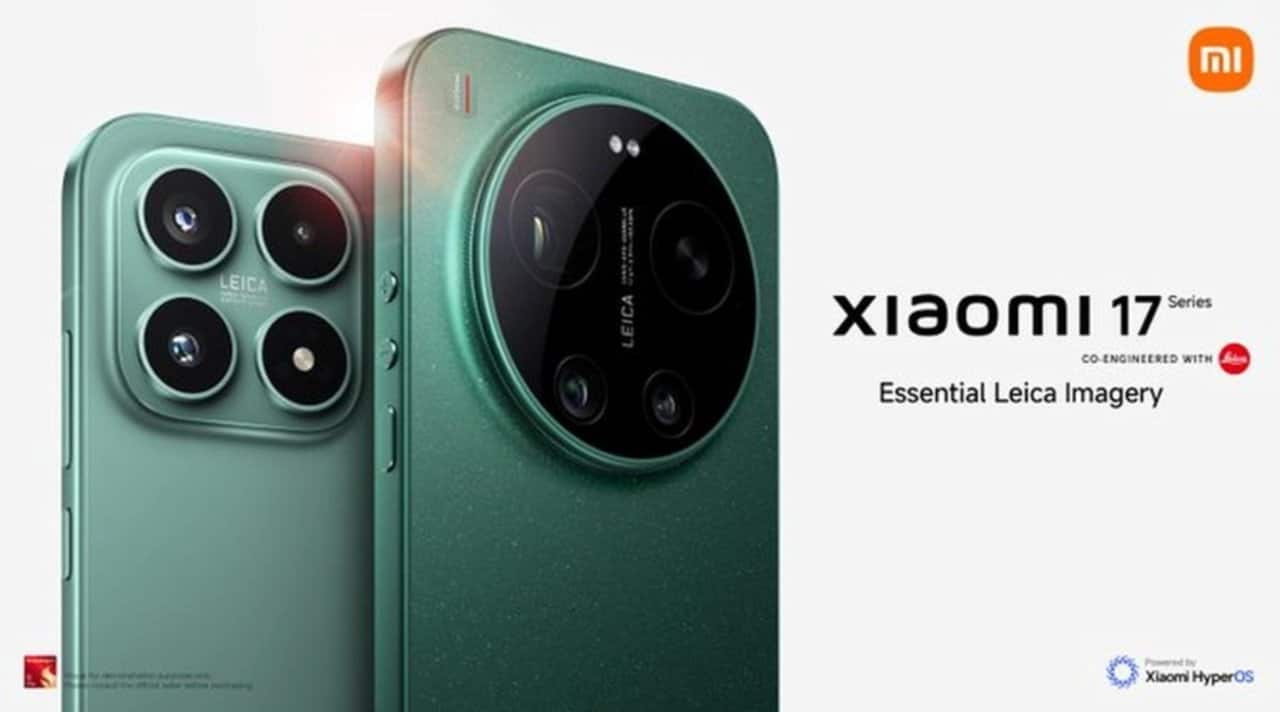
On the other hand, the Xiaomi 17 Ultra adopts an equally prominent circular camera module, but with the signature Leica, which adds a touch of elegance and imaging expertise. The back of the Xiaomi 17 Durability is a strong point for both, as both devices offer protection against water and dust with IP68 and IP69 certifications, ensuring resistance in a variety of everyday situations, from accidental splashes to deeper immersions, guaranteeing users peace of mind regarding the longevity of their devices.
Visual experience: AMOLED screens and 120Hz fluidity
When it comes to the visual experience, both the Vivo X300 Pro and the Xiaomi 17 Ultra deliver high-quality panels, ensuring vibrant colors and deep blacks. The X300 Pro comes equipped with a 6.78-inch AMOLED display, which offers 1.5K resolution and an LTPO adaptive refresh rate of 120 Esta technology allows the screen to dynamically adjust its frequency, optimizing power consumption while providing extremely fluid scrolling and content viewing.
The Xiaomi 17 Ultra, in turn, elevates the experience with a slightly larger 6.9-inch AMOLED screen, maintaining the same refresh rate of 120 Hz. Embora not specified as LTPO in the base information, fluidity is also guaranteed, providing superior visual immersion due to its expanded dimension. Ambas displays are designed to support a wide color gamut and bright brightness, making them ideal not only for media consumption and gaming, but also for everyday use where clarity and responsiveness are crucial. The size difference can be a deciding factor for those looking for a more compact screen that can be managed with one hand, or for those who prefer maximum screen space for productivity and entertainment.
Performance and internal power
At the heart of the Vivo X300 Pro lies the MediaTek Dimensity 9500 processor, a choice that reflects MediaTek’s ability to compete in the premium segment. Este chipset is designed to offer a balance between high performance and energy efficiency, being able to handle demanding games, intensive multitasking and artificial intelligence applications with ease. The Arm G1-Ultra GPU complements the processor, ensuring smooth and responsive graphics rendering, essential for the visual and gaming experience.
The Xiaomi 17 Ultra, on the other hand, is driven by the Snapdragon 8 Este processor is known for its brute strength and optimization for a wide range of software and games, offering exceptional performance in virtually all tasks. The Adreno 840 GPU, part of the Snapdragon, is recognized for its superior graphics performance, providing an advantage in benchmarks and games with high fidelity graphics. The choice of chipset can influence compatibility with certain applications and the longevity of software support, being an important factor for users who prioritize maximum performance and cutting-edge technology.
Memory and storage: space for everything
RAM and internal storage capacity plays a crucial role in the fluidity and usability of a smartphone, especially for high-end models. The Vivo X300 Pro offers flexible 12GB and 16GB RAM options, allowing users to choose the configuration that best suits their multitasking and application performance needs. Para storage, the device is available in 256GB, 512GB and 1TB variants, providing ample space for photos, videos, apps and documents, catering to even the most demanding content creators who work with large files.
The Xiaomi 17 In terms of storage, it offers choices of 512GB and 1TB, focusing on larger capacities for users who don’t want to worry about space. Essas storage configurations are a testament to the growing demand for more space on mobile devices as camera quality and app sizes continue to increase. The availability of 1TB on both models highlights the importance of offering a robust storage solution to an audience that increasingly relies on their smartphones for all their digital needs.
Advanced photography: ZEISS vs. Leica
Rivalry in the smartphone camera sector reaches its peak with lens partnerships between Vivo and ZEISS, and Xiaomi and Leica. Ambos models sport a triple camera setup of 50 MP main, a 200 MP periscopic telephoto lens, and a 50 MP ultra-wide lens. Embora megapixel specifications are identical, color calibration, image processing algorithms and optical characteristics provided by the ZEISS and Leica partnerships promise different results.
The Vivo X300 Pro, with its ZEISS partnership, focuses on optimizing clarity, contrast and color reproduction in a natural way, seeking to emulate the German brand’s classic photographic aesthetic. Recursos such as ZEISS T* coating may be present to reduce reflections and improve light transmission. The 200 MP periscope camera is a notable difference, offering advanced optical zoom without loss of quality, ideal for capturing details from a distance.
Xiaomi 17 Ultra, influenced by Leica, tends to emphasize a more artistic and dramatic style, often with a more pronounced contrast and saturated colors that refer to the “Leica look”. Além’s raw performance, camera interface and custom shooting modes can offer different filters and color profiles that reflect the Leica’s heritage. The 200 MP periscopic telephoto lens also ensures impressive zoom capabilities, allowing users to explore new photographic perspectives. The choice between the two largely comes down to personal preference for the photographic “flavor” of each partner brand, but both represent the pinnacle of smartphone camera engineering.
Battery and software: autonomy and ecosystem
Battery life is a critical factor for high-performance smartphone users. The Vivo X300 Esta capacity, especially in the global version, promises a long duration, even under intense use, minimizing the need for frequent recharges throughout the day.
The Xiaomi 17 Ultra offers a 6000 mAh battery, a capacity that is also quite generous for a flagship, guaranteeing solid energy performance. The actual battery life of both devices, however, will depend not only on the nominal capacity, but also on the efficiency of the chipsets, software optimization and the usage habits of each user.
In terms of software, the Vivo X300 Pro operates with Android 16, overlaying the OriginOS 6 custom interface. The Xiaomi 17 Choosing a customized operating system will directly impact the user experience, from visual aesthetics to functionality and extra features offered by each manufacturer.
Final comparative analysis
When analyzing the Vivo X300 Pro and the Xiaomi 17 Ultra, it is clear that both are devices that strive for excellence in all aspects. The differences lie primarily in design philosophies, camera partnerships, and chipset choices, which result in slightly different end-user experiences.
In short, there is no clear “winner”, but rather a question of which smartphone best aligns with the user’s priorities. If photography with a classic ZEISS touch and a long battery life are crucial, the Vivo X300 Pro could be the ideal choice. If the preference is for high-end performance with the Snapdragon, a slightly larger screen and the photographic aesthetics of the Leica, the Xiaomi 17 Ultra presents itself as a strong competitor. Ambos represent the best of the Android ecosystem, pushing the limits of mobile innovation.



