
Apple restructures design of new premium smartphone with transparent back and battery greater than five thousand milliamps

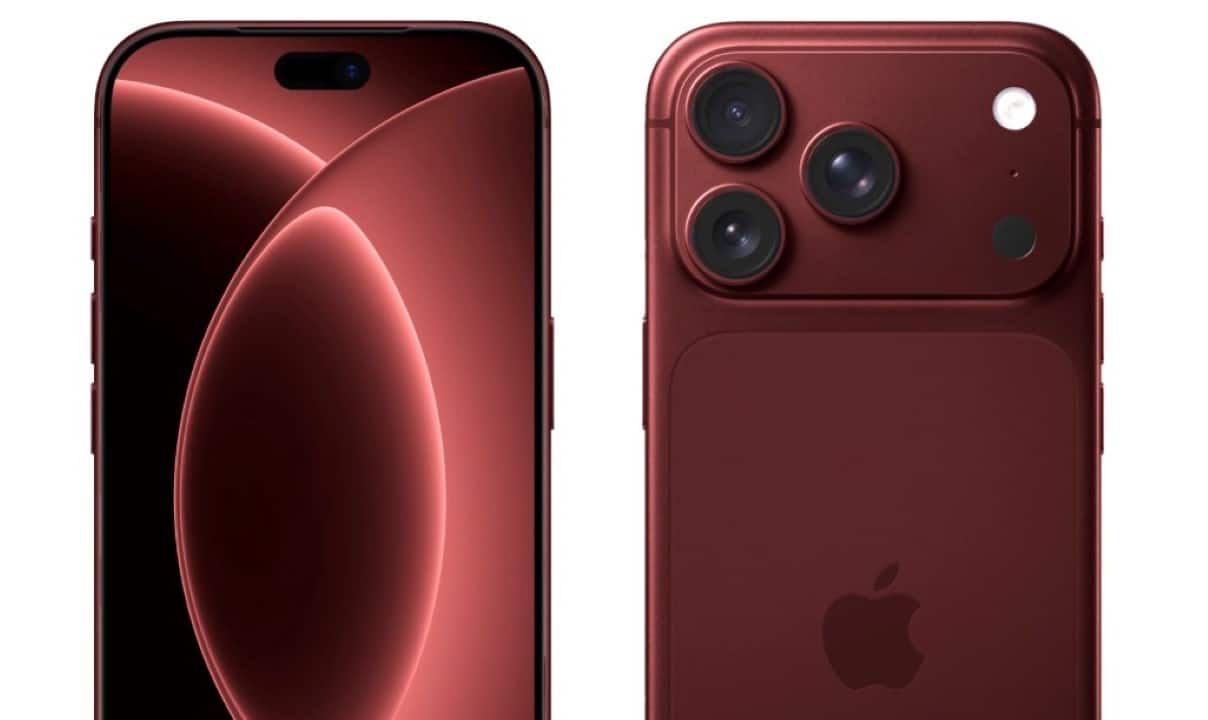
The North American technology manufacturer is preparing a significant redesign for its next line of high-performance mobile devices. The central design involves the adoption of a completely translucent rear panel, allowing direct visualization of the device’s internal components. Esta aesthetic change represents a considerable departure from previous generations, which used frosted glass finishes or textured titanium alloys to hide internal engineering. The change requires a complete restructuring of the arrangement of the parts, as the interior of the phone will become an integral part of the visual identity of the final product.
In addition to the profound visual change, the new equipment will bring a significant leap in daily use autonomy. The company’s engineering works at a fast pace to integrate power modules that exceed the five thousand milliampere-hour mark, an unprecedented volume for this category of the brand’s devices. The primary objective is to sustain the high consumption of new advanced processing resources and ultra-high brightness screens without compromising the phone’s thickness or ergonomics during prolonged use.
The development of this model requires a thorough reorganization of the motherboard and heat dissipation systems. The industrial design team works closely with hardware engineers to ensure the internal display is visually pleasing, symmetrical and technically functional. The assembly of initial prototypes already takes place in restricted facilities, where every detail of the cabling and connectors is evaluated to ensure a rigorous aesthetic standard before mass production.
Renewed aesthetics and high-resistance materials
The introduction of a transparent back imposes stringent demands on chassis durability and circuit protection. Replacing traditional glass with high-resistance composites aims to prevent cracks, scratches and the accumulation of residue that would harm the device’s translucent appearance. Testes of drop, pressure and resistance to temperature variations are conducted daily in specialized laboratories to certify the integrity of the chosen material against the wear and tear of everyday use.
To complement the exposed look, the internal components receive an exclusive and standardized aesthetic treatment. Placas printed circuit boards, connection cables and camera module casings are redesigned with dark, metallic finishes and uniform textures, creating an elegant contrast with the external structure. The arrangement of parts is no longer just a matter of spatial efficiency and becomes part of the product’s design signature, requiring a level of internal finishing rarely seen in the electronics industry.
Increased energy capacity for intense use
The main model in the new line will house a battery with a capacity of more than five thousand milliampere-hours, ensuring long periods of operation away from sockets. The larger screen version, designed for users who demand maximum visual space, can reach up to five thousand and two hundred milliampere-hours, establishing a new level of autonomy for the manufacturer. Este Substantial volumetric increase is achieved through the implementation of newly developed high-density chemical cells.
Permanent removal




