
International conflicts raise gold and silver prices as investors seek protection

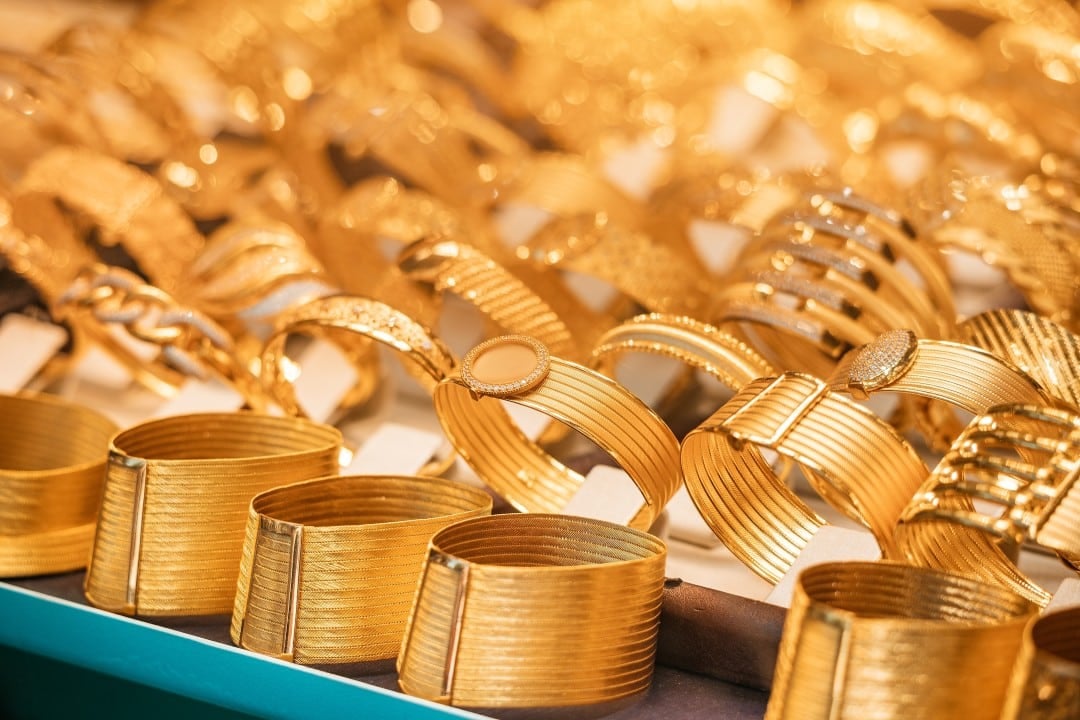
The global financial scenario is going through a period of intense resource reallocation, driven by the continuous appreciation of precious metals in the main trading markets. Investidores institutional and fund managers systematically direct their capital to assets traditionally considered safe havens, in a direct response to the escalation of geopolitical tensions and macroeconomic uncertainties that permeate the main powers. Esse movement changes the dynamics of international stock exchanges, placing metallic commodities at the center of financial protection strategies against systemic shocks and abrupt exchange rate fluctuations.
The search for tangible goods intensifies as confidence in fiat currencies wavers in the face of restrictive monetary policies and persistent inflation data. Operadores of the market observe a consistent increase in daily prices, which reflects a defensive posture adopted by large global players seeking to mitigate exposure to risky assets, such as shares of technology companies and debt securities from emerging markets.
The main catalysts for this financial migration include specific factors that alter the perception of risk on a global scale:
– Escalada of diplomatic and military friction in Oriente Médio and Eastern Europe.
– Pressões structural inflation that erodes purchasing power in developed economies.
– Movimentações strategies of central banks in acquiring physical reserves.
Capital protection dynamics in crisis scenarios
The mechanics of capital protection during turbulent periods favor assets that have intrinsic value and historical resilience proven over decades. Gold operates as the main anchor for portfolios seeking immunity against sudden currency devaluations and sharp falls in capital markets, functioning as insurance against instability in the traditional financial system.
Silver follows this appreciation trajectory, although it presents different behavioral characteristics due to its dual nature in the market. The metal simultaneously functions as an affordable financial haven and an essential raw material for advanced industrial sectors, which amplifies its daily volatility but also supports its upside potential in the medium and long term.
Impact of international frictions on supply chains
Geopolitical frictions directly affect logistics and the production of essential goods, generating a cascade effect that affects all spheres of global trade. The constant threat of interruption in energy supply routes, especially oil and natural gas, increases the general perception of risk among investors, who anticipate possible production bottlenecks and increases in operating costs.
This alert environment forces an immediate recalibration of institutional and retail investment portfolios. Allocation to precious metals acts as an insurance policy against unpredictable events, mitigating potential losses arising from unilateral political decisions, economic sanctions or military conflicts that paralyze international transport infrastructure.
Behavior of institutional reserves and central banks
Global monetary authorities have significantly altered their reserve accumulation strategies over the past few financial quarters. Bancos Central countries, particularly the emerging economies of the Asian continent, intensified the purchase of physical gold with the clear objective of diversifying their assets and reducing historical dependence on the US dollar.
This institutional demand creates a solid floor for spot market prices, absorbing short-term fluctuations and signaling confidence in the metal’s long-term value. The continued acquisition by state entities validates the strategy of private investors, who follow the flow of government capital to support their own defensive positions.
The volume of transactions recorded by these institutions reaches historic levels, altering the fundamental balance between the global supply of mining companies and effective demand. The physical removal of the metal from the vaults of commodity exchanges reduces the liquidity available for immediate trading, which puts upward pressure on prices in the world’s main financial markets.
The industrial role of silver in the energy transition
Silver is distinguished from gold by its extensive application in modern industrial processes, creating a structural demand that is independent of purely financial sentiment. The global push for renewable energy sources places the metal as a critical and irreplaceable component in the manufacture of photovoltaic solar panels, a sector that is experiencing accelerated expansion year after year.
The automotive sector also exerts considerable pressure on global silver stocks, using the material extensively in the production of electric vehicles and their complex on-board electronic systems. Essa technological dependence guarantees a constant flow of industrial purchases, regardless of fluctuations in interest rates or inflation.
The transition to a low-carbon economy requires volumes of silver that challenge the current extraction capacity of global-scale mining operations. The projected deficit between annual mine production and growing industrial consumption establishes a fundamental basis for sustaining asset prices at high levels.
Market analysts closely monitor inventories on major commodity exchanges, noting a gradual reduction in physical stocks available for immediate delivery. Esse factor of material scarcity, combined with the incessant search for financial protection, creates a highly favorable environment for the continued rise in silver prices.
Effects of monetary policy and inflation on real assets
The macroeconomic environment, characterized by debates about the trajectory of interest rates, directly influences the attractiveness of precious metals compared to other financial instruments. Quando the purchasing power of traditional currencies suffers erosion due to inflation, tangible assets tend to appreciate naturally, preserving the real value of the invested capital. Mesmo With central banks adjusting interest rates to control price indexes, the real yield on fixed income assets often remains marginal, which keeps the competitive appeal of gold and silver intact for large resource allocators.
The relationship between the strength of the dollar and commodity prices remains a central variable in the international pricing equation. A possible devaluation of the American currency makes metals cheaper for holders of other currencies, immediately stimulating global demand. Além In addition, the fiscal policies of the great economic powers, which involve high levels of public debt, raise questions about long-term monetary stability. In local contexts, such as the Brazilian economy, where the current minimum wage is R$1,621, the global appreciation of these metals highlights the contrast between domestic purchasing power and the dollarized protection offered by international assets, reinforcing the thesis of allocation outside the traditional financial system.
Diversification strategies for risk mitigation
Building resilient investment portfolios requires a pragmatic approach to the inclusion of alternative, de-correlated assets from the traditional market. Operadores financial institutions use precious metals not necessarily with the primary objective of generating extraordinary returns in the short term, but rather to establish a containment barrier against extreme volatility. The low correlation of gold and silver with stock indices means that, during periods of sharp declines in stock markets, these commodities tend to maintain their value or even register significant increases, balancing the overall performance of the portfolio. Essa estratégia de diversificação se mostra essencial em um cenário onde a imprevisibilidade geopolítica e as mudanças rápidas nos ciclos econômicos exigem mecanismos de proteção estrutural por parte dos investidores, que buscam preservar o patrimônio acumulado contra choques externos fora de seu controle.
Commodity market access
Entry into the precious metals sector occurs through a variety of regulated instruments, ranging from purchasing certified physical bars to trading financial derivatives and exchange-traded index funds. Essa structural democratization allows different profiles of market participants to adjust their exposure according to their specific capital protection needs and risk tolerance.



