
IPhone 17e surpasses Pixel 10a with MagSafe and leaves Google at a disadvantage in the affordable segment

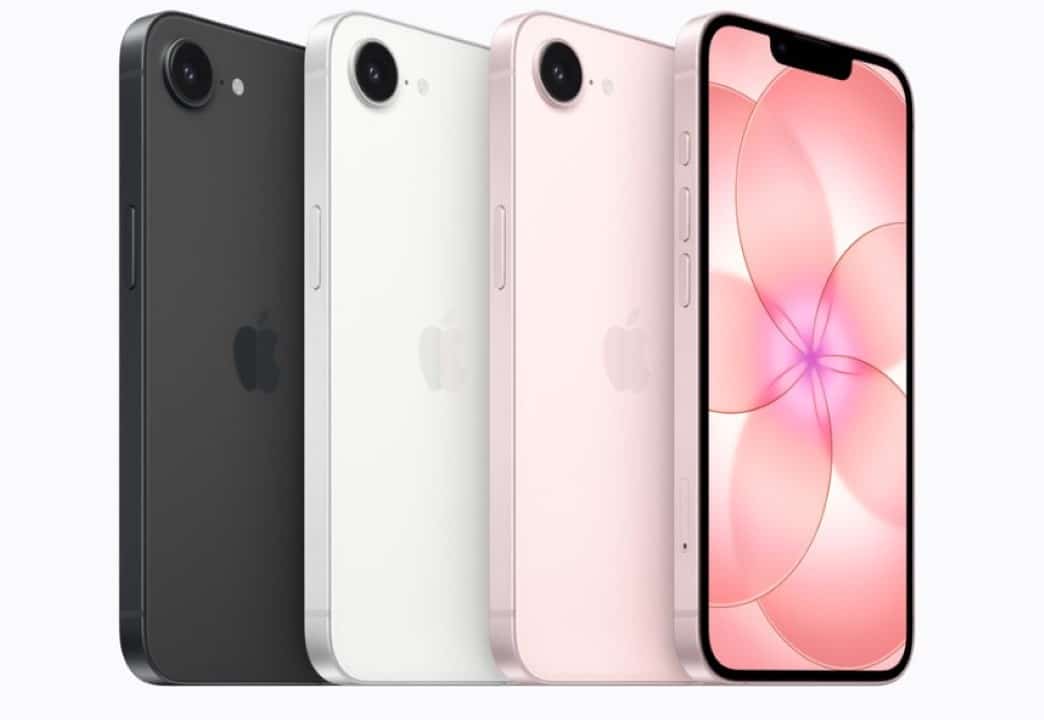
The iPhone 17e was recently launched by Apple as the most affordable option in the iPhone 17 line. The model comes with full support for MagSafe, a feature that allows magnetically aligned wireless charging and easy connection with various accessories. The Essa addition comes shortly after the launch of the Pixel 10a by the Google, creating a direct comparison between the two devices positioned in the entry-premium segment. The timing of the Apple seems strategic, as MagSafe solves a limitation felt by many users who have already invested in magnetic chargers and stands.
The Pixel 10a, on the other hand, doesn’t include built-in magnets for native Qi2 or MagSafe compatibility. Usuários need to use covers with magnetic rings to simulate the feature, which compromises alignment accuracy and can affect charging efficiency. The absence of this support leaves the device out of a broad ecosystem of accessories available on the market, mainly driven by iPhones.
Magnetic accessories ecosystem gains strength
MagSafe transforms the everyday usage experience by allowing chargers, wallets, car mounts, and even external lenses to attach precisely to the back of the device. The Apple integrated the feature across the entire iPhone 17 line, including the most affordable model. Isso facilitates wireless charging without worries about incorrect positioning on the base.
MagSafe-compatible accessories are abundant on online retail platforms. Muitos users already have items such as night stands or car mounts that now work perfectly with the iPhone 17e. Native compatibility avoids improvised adaptations and guarantees better performance in real scenarios.
Pixel 10a Limitations on Wireless Charging
The Pixel 10a offers standard Qi wireless charging, but without the magnets that ensure perfect alignment. Isso may result in slower or interrupted charging sessions if the device moves slightly on the base. The Google chose not to include the magnetic stand in this model, unlike the main Pixel 10 series which adopts Qi2 with the Pixelsnap.
Alternative solutions such as covers with magnetic rings exist, but they introduce compromises. The fit isn’t always as tight as the native fit, and the extra bulk can interfere with other aspects of the design. Além Additionally, future accessories released by Google may exclude 10a from the compatibility list.
Advantages of Pixel 10a in other aspects
Despite the disadvantage in MagSafe, the Pixel 10a stands out in areas such as the front design with a hole for the selfie camera, which eliminates the notch present in the iPhone 17e. The Google model has a dedicated ultrawide camera on the back, while the iPhone 17e only has a 48MP Fusion main lens.
The Pixel 10a’s screen achieves higher brightness and a refresh rate of 120Hz, compared to 60Hz on the Apple competitor. The 5,100mAh battery combined with 30W wired charging offers faster autonomy and energy replenishment than the iPhone 17e. Recursos AI based on Gemini provide advanced photo editing tools and intelligent assistants.
Price as a decisive factor in choosing
The Pixel 10a hits the market for around US$100 less than the iPhone 17e, which starts at US$599 with 256GB of base storage. The Essa price difference partially justifies the omission of the magnetic support in the Google model, allowing the price to remain competitive. The strategy aims to attract cost-sensitive consumers.
The inclusion of MagSafe on the iPhone 17e elevates the appeal for those who already have compatible accessories or value convenience in the ecosystem. Para users who prioritize a larger battery, smoother screen and reduced price, the Pixel 10a remains a solid option. Competition between the two devices should intensify choices in the affordable segment.
Future updates could change the scenario
The Google included magnetic support in the main models of the Pixel 10 line, which suggests that the feature could reach A-series devices in future generations. The iPhone 17e follows the Apple trend of democratizing technologies previously exclusive to premium models. Consumidores await the next releases to see if Google fixes this gap.
The affordable smartphone market gains more balanced options with these features. Each manufacturer’s decision reflects different priorities between convenience, performance and cost.



