
Samsung’s Galaxy S26 Ultra Privacy Screen Reviewed: Innovation or Excess?

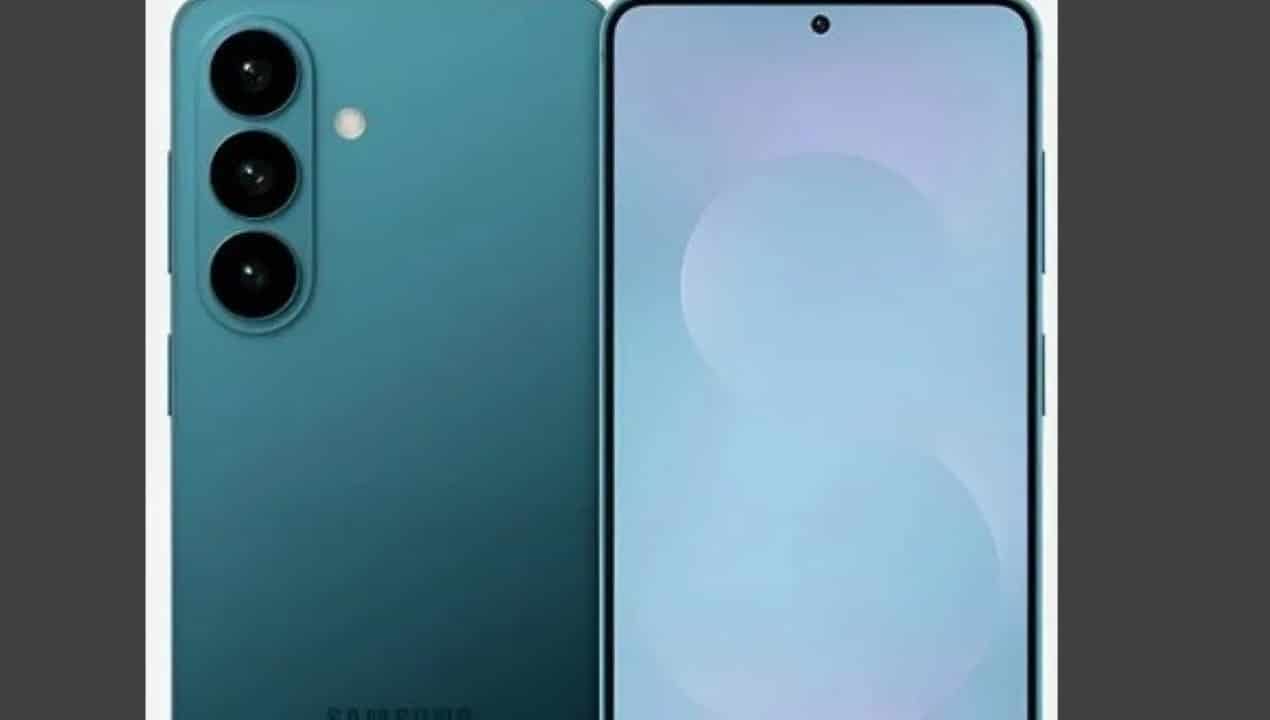
Samsung, renowned for its technological avant-garde in the smartphone market, presents with the Galaxy S26 Ultra an innovation that promises to redefine user privacy: the Tela of The Este device, which follows the lineage of successes such as the S24 Ultra and S25
While the overall excellence of the S26 It is clear that the Samsung is striving to maintain its position in the premium segment, but it is the introduction of this specific technology that captures the attention of consumers and experts.
The functionality, which aims to resolve the issue of unwanted screen visibility by third parties in public environments, invites in-depth analysis to determine whether it represents a true innovation or whether it can be considered an enhancement that, although ingenious, may not be broadly essential for all user profiles.
The technology behind the privacy screen
The Tela of Privacidade integrated into the Galaxy S26 Ultra stands out as the most notable improvement of this new generation. Samsung has developed an ingenious system that hides the content displayed on the display from those around it, ensuring that the view is exclusive to the user handling the device, regardless of the observation angle.
This functionality is not just restricted to the sides of the screen; Visibility is carefully adjusted in all four corners, including top and bottom perspectives. Diferente of stopgap solutions such as generic protective films, the feature operates at the hardware level, allowing quick and effective activation and deactivation, giving unprecedented control to the device owner.
Functionality and customization
The versatility of the Tela of Privacidade is one of its strongest points, allowing users to configure the feature according to their specific needs and daily routines. It is possible to create automated profiles, in which screen privacy is activated at predetermined times, or when the user moves away from a home address, or even when arriving at a specific location, such as the workplace.
Furthermore, the function can be selectively applied to crucial applications that handle sensitive information. Isso includes digital banking platforms, messaging applications, internet browsers, note-taking tools and social networks. Essa Granular customization capability ensures protection is applied where it is needed most, without compromising usability in other, less critical interactions.
Privacy Limitations and Options
Although Tela of Privacidade offers a robust layer of security, there are nuances in its application that are worth considering. The feature allows you to completely hide all content on the screen, but also offers more specific options, such as hiding only the notification bubbles, keeping the rest of the content visible, or masking system passwords.
One limitation noted is the inability to apply privacy to very specific areas within an application, such as individual messages in an Instagram conversation or just certain notifications from the center. Samsung has not yet confirmed whether it will make an API available to developers, which would allow for deeper and more granular integration with third-party applications, an expansion that could maximize the tool’s potential.
Visibility and protection mechanism
O funcionamento da Tela de Privacidade é fundamentado em uma tecnologia de display sofisticada, que integra linhas de “pixels abertos” e “pixels fechados”. Open pixels are responsible for spreading light at multiple angles, allowing content to be viewed from different perspectives. In contrast, closed pixels emit light directionally, only forward, ensuring exclusive viewing for the user holding the device.
When the privacy function is activated, the open pixels are deactivated, and only the closed pixels remain active, resulting in a screen that becomes opaque to those observing from the side. The functionality offers three distinct levels of protection:
Performance and usage challenges
Despite the obvious benefits in terms of privacy, activating Tela from Privacidade on Galaxy S26 Foi noticed a slight reduction in screen resolution when the resource is in use, resulting from the physical shutdown of several pixels to achieve the protective function.
Additionally, there is a drop in brightness and overall viewing angles, which becomes more pronounced for users who usually configure the device with the most intense brightness and QHD+ resolution. The screen tint is also affected; in dark themes, the display takes on a grayer appearance, while in light themes, it tends to be a paler white, and for those observing from the sides, the screen simply displays a dark surface. The anti-reflective finish, present on the S26 Ultra, proved to be slightly less effective compared to the predecessor model, the Galaxy S25
Innovation in the smartphone market
The introduction of Tela from Privacidade into the Galaxy S26 In a scenario where personal and professional information is constantly accessed in public, the ability to protect displayed content from prying eyes represents a strategic competitive differentiator.
Although the feature presents some compromises when it comes to the visual experience, the added value of having effective control over screen privacy can be a decisive factor for a significant portion of consumers. Samsung, by investing in such an integrated hardware solution, positions the S26 Ultra as an exponent not only in performance, but also in innovation focused on mobile privacy, aligning with market trends that prioritize data protection.



