
Technical evaluation compares performance and cameras of the new Vivo X300 Pro and Xiaomi 17 Ultra

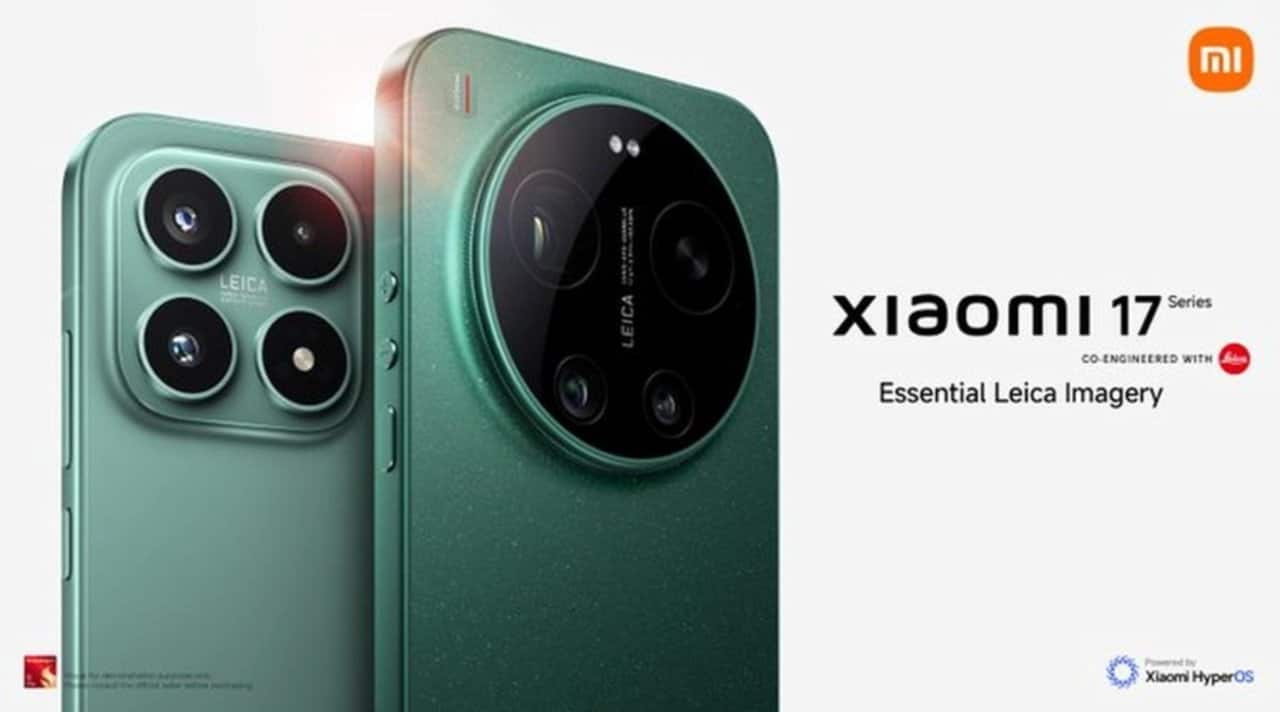
The high-end mobile devices segment sees a new phase of direct competition between two of the main global technology manufacturers. The recently launched Vivo X300 Pro and Xiaomi 17 Ambos the devices integrate state-of-the-art components and establish strategic partnerships with historic brands in the optical sector.
The companies’ strategy focuses on attracting consumers who demand maximum fluidity in complex tasks and professional results when capturing images. The development of these terminals required heavy investments in research, resulting in internal architectures capable of supporting advanced artificial intelligence processing and real-time graphics rendering. The fight for the top of the market requires constant innovations in every millimeter of the chassis and in software optimization.
Consumers and experts in the telecommunications sector closely observe the technical specifications of each model to understand the practical advantages offered. A thorough analysis of factors such as energy capacity, thermal management, display quality and lens calibration is essential to determine which architecture provides the best relationship between cost and benefit in daily and professional use.
Design and construction materials
The engineering applied to the housing of the Vivo X300 The most prominent element on the back is the photographic module, which houses the ZEISS-certified lenses and acts as the gravitational center of the device’s design. The ergonomics were calculated to distribute the weight in a balanced way, avoiding fatigue during prolonged use with just one hand, even with the presence of heavy camera components.
In contrast, the aesthetic approach of the Xiaomi 17 Ultra follows a line that mixes contemporary technology with classic elements of analog photography. The device features an imposing circular camera block, marked by Leica, which dominates the upper half of the rear. Para To complement the premium look, the manufacturer opted for a textured eco-leather coating, a material that provides superior grip and significantly reduces fingerprints, giving the product an exclusive look and facilitating safe handling.
In terms of durability, both manufacturers have implemented strict sealing and protection protocols against external elements. The devices have IP68 and IP69 certifications, guaranteeing total resistance against the entry of fine dust and allowing submersion in fresh water, in addition to withstanding high pressure and temperature water jets. Essa structural shielding ensures that high-value internal components remain intact even in hostile environments or in situations of domestic accidents, increasing the reliability of the terminals among the public that invests in devices in this category.
Display technology and visual fluidity
The primary interaction interface of both smartphones is comprised of ultra-high-fidelity light-emitting panels designed for intense media consumption. The Vivo X300 Pro is equipped with a 6.78-inch AMOLED display, operating at 1.5K resolution. The integration of LTPO technology allows the screen refresh rate to dynamically vary from 1Hz to 120Hz, instantly adjusting to the type of content displayed to optimize battery consumption without sacrificing the smoothness of system animations.
The Xiaomi 17 Ultra slightly expands the viewing area with a 6.9-inch AMOLED screen while maintaining the refresh rate at 120 Hz. The enlarged size favors immersion in multimedia content and provides a more comfortable work area for editing documents and browsing the web. Ambos the displays deliver extreme brightness peaks, ensuring perfect readability even under direct sunlight, in addition to supporting wide color spectrums for faithful reproduction of videos in high dynamic range and games with complex graphics.
Processing and thermal management architecture
The processing engine of the Vivo X300 The chipset is structured to divide workloads intelligently, directing light tasks to efficiency cores and activating the maximum performance cores only when running heavy games or rendering videos. The Arm G1-Ultra GPU works in sync with the central processor to deliver stable frame rates and support advanced lighting technologies in mobile games, keeping temperature under control.
The Xiaomi 17 Ultra adopts the Snapdragon 8 Gen 5 from the The architecture of this processor is widely recognized for its brute strength and wide compatibility with development tools, which results in highly optimized applications. The Adreno 840 graphics processing unit raises the bar for three-dimensional graphics execution, ensuring the device handles today’s most demanding titles without experiencing performance drops. Sistemas Robust vapor cooling systems are present on both models to dissipate the heat generated by these ultra-high-power components.
Memory and internal storage capacity
Managing multiple background applications requires high-speed, large-capacity volatile memory modules. The Vivo X300
When it comes to data storage, the Vivo model offers scalable options starting from 256 GB, going up to 512 GB and reaching a ceiling of 1 TB. Essa variety allows the consumer to choose the exact configuration for their volume of files, photographs in RAW format and videos in very high resolution.
The Xiaomi 17 Ultra adopts a standardization strategy in terms of memory, equipping all of its units with 16 GB of RAM. Essa technical decision eliminates performance bottlenecks and ensures that the user experience is identical and fluid on any variant of the device chosen by the customer in stores.
For storage, the Xiaomi restricts the options to the highest levels, offering only versions with 512 GB and 1 TB. The absence of a 256 GB base model indicates the brand’s exclusive focus on intensive users, content creators and professionals who need a true digital safe in their pocket, without the constant worry about freeing up space in flash memory.
Optical systems and image calibration
The photographic set represents the culmination of technological development in these devices, marking a direct clash between the philosophies of ZEISS and Leica in light processing. The Vivo X300 Pro and the Xiaomi 17 However, execution and image signal processing diverge radically in practice. The Vivo, supported by ZEISS, uses special lens coatings to minimize unwanted reflections and calibrates its algorithms to deliver natural colors, balanced contrast and clinical sharpness, ideal for those looking for the most faithful representation of reality possible. The X300 Pro’s 200MP periscope camera enables long-distance optical approaches while maintaining the integrity of architectural or natural details. Já o Xiaomi 17 Ultra incorporates the color science of the The Xiaomi interface provides exclusive filters that instantly change the atmosphere of photography, transforming the smartphone into a fast and efficient artistic expression tool for social networks and portfolios.
Energy autonomy and software ecosystems
Supporting all this high-performance hardware requires high-density battery modules and efficient operating systems. The Vivo X300 Android 16, focusing on fluid integration with the brand’s other devices, such as tablets, headphones and smart watches, creating a cohesive and interconnected ecosystem for the modern user.
Technical differences and market specifications
The evaluation of the components demonstrates that the mobile device market has reached a level where differences are concentrated in usage details, ecosystem preferences and visual signatures. The choice of hardware directly reflects the type of interaction the user will have with the device over the years of the equipment’s useful life.
– Image processing via ZEISS focuses on documentary accuracy and true color reproduction without artificial saturation.
– The Leica calibration delivers photographs with authorial aesthetics, striking contrast and classic street photography profiles.
– The Snapdragon platform maintains leadership in game developer compatibility and advanced emulation.
– The Dimensity chip features significant advances in power efficiency and heavy multitasking management.
– Batteries with a capacity of 6000 mAh or more set a new autonomy standard for the global premium category.



