
Vatican removes religious leader in San Diego after embezzlement of US$272,000 and scandal in Mexico

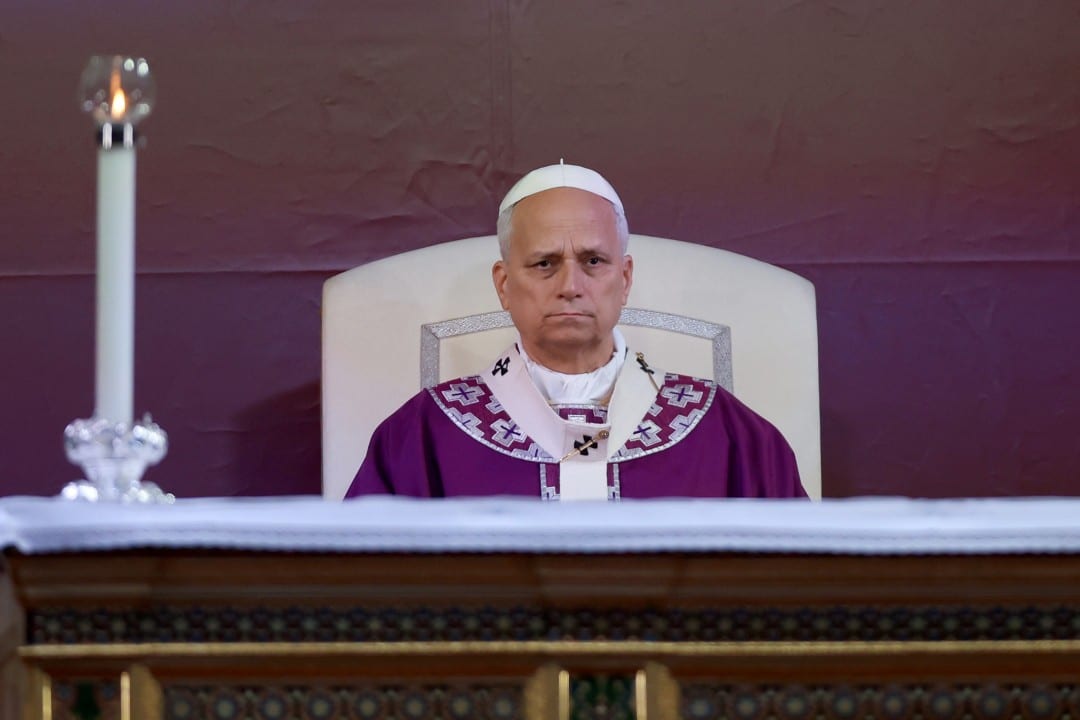
The highest authority of Igreja Católica formalized the definitive removal of Emanuel Hana Shaleta, a 69-year-old religious leader who commanded Eparquia of São Pedro Apóstolo of the Caldeus, located at The official bulletin of Santa Sé confirmed the acceptance of the resignation amid a complex scenario that involves civil investigations and simultaneous canonical processes.
His departure from office occurs in parallel with serious allegations of financial crimes, which include embezzlement and money laundering, totaling an estimated loss of US$272,000 to the religious institution’s coffers. The case gained widespread notoriety due to the combination of federal financial infractions and allegations of conduct incompatible with the pastoral role.
Currently, the former bishop responds to the criminal case in freedom after paying a bail set at US$ 125 thousand by the North American courts. The seriousness of the situation required immediate intervention from Roma to ensure the continuity of administrative activities and service to the faithful in the western region of Estados Unidos.
Context of financial investigations
Scrutiny of the eparchy’s accounts began in the second half of the previous year, when an internal employee of the cathedral noticed recurring inconsistencies in the financial reports and decided to forward supporting documents to the competent authorities. Preliminary analysis of these records indicated that payments relating to the rental of properties belonging to the church were not being directed to institutional accounts, but rather diverted to personal domains. Essa initial complaint served as the trigger for a comprehensive audit of the parish’s bank statements and financial assistance records, revealing a systematic pattern of obfuscation of resources that went undetected by tax boards for months.
During the internal review process, auditors discovered that the operational mechanism involved the issuance of checks justified as official expenses, which, in reality, did not correspond to any legitimate activity of the institution. A significant portion of the misappropriated amounts was camouflaged through complex transfers to charitable funds administered by the church itself, creating a facade of legality for the movement of money. Detailed accounting for the period confirmed that the total missing amount reached the US$272,000 mark, consolidating the material basis for the formal charges filed by the county public prosecutor’s office.
Details of criminal charges
The formal indictment presented by the authorities details a series of illicit activities allegedly committed over several months of management. The prosecution structured the case based on robust documentary evidence, collected during the execution of search and seizure warrants at the administrative headquarters of the eparchy.
Among the main criminal offenses is the practice of embezzlement, recorded on eight separate occasions, characterizing a continuous scheme of misappropriation of institutional funds. Cada one of these episodes represents a specific violation of the fiduciary trust placed in the religious leader by the faithful and the ecclesiastical hierarchy.
In addition to embezzlement, the defendant faces eight direct charges of money laundering, a crime constituted by deliberate attempts to hide the illicit origin of the diverted resources. The financial engineering used had the objective of integrating the money into the legal system without raising suspicions from government control bodies.
The list of charges also includes the improper personal use of properties and accounts of the eparchy to cover strictly private expenses, further aggravating the legal situation of the accused before the state court responsible for judging the case.
Dynamics of deviations and hiding values
The financial operation dismantled by investigators demonstrated a high degree of planning to bypass the church’s internal compliance mechanisms. Transfers were often split and diluted during routine administration operations, making it difficult to immediately identify fraud.
Documents attached to the court case indicate that charitable funds, originally intended to assist vulnerable families in the community, were used as pass-through accounts. Essa financial triangulation strategy made tracking the final destination of the amounts an extremely complex task for auditors.
The prosecution maintains that this web of transactions was designed exclusively to erase money trails, requiring months of forensic analysis by accounting experts to reconstruct the complete path of the US$272,000 diverted from official accounts.
Stories about trips to the Mexican border
In parallel to white-collar crimes, the investigation brought to light information about the religious leader’s personal behavior, specifically in relation to frequent trips to the border region. Fontes linked to the investigation reported regular visits to an adult entertainment establishment located in the north of Tijuana, in México.
These displacements to the neighboring country would have occurred precisely during the period in which financial irregularities were being carried out at Califórnia. Embora Although no formal charges were filed by the Mexican authorities in relation to these visits, the reports were incorporated into the context of the investigation to map the possible destination of part of the diverted resources.
Arrest at the airport and legal developments
The culmination of the investigative phase occurred with the detention of the former bishop on Aeroporto Internacional of San Diego, while he was trying to board a commercial flight bound for Alemanha. When the police approached, the agents found more than US$9,000 in cash in the religious man’s luggage, an amount very close to the legal limit for international transport without mandatory declaration.
Following arrest, a bond hearing was held on Tribunal Superior of El Cajon, where the defendant formally pleaded not guilty to all charges brought by the state. Caso is convicted of all the crimes charged in the case, the sentences may exceed 15 years of imprisonment for each group of criminal offenses, depending on the judge’s understanding of the seriousness of the acts.
Temporary administration of the eparchy
To avoid an administrative and spiritual vacuum in the community, Santa Sé acted quickly by appointing Bishop Saad Sirop Hanna, current holder of Hirta, as apostolic administrator of the eparchy, which now officially remains a vacant seat. Esta emergency measure strictly follows the canonical procedures established for Eastern Catholic churches in situations of sudden vacancy caused by serious reasons. The designated administrator assumes full responsibility for managing all assets of the diocese, ensuring the continuity of liturgical services and collaborating transparently with civil authorities in ongoing investigations. The transition period will be maintained uninterruptedly until the conclusion of the canonical processes and the definitive choice of a new bishop to assume the chair in San Diego, a complex process that involves detailed consultations with the synod of Igreja Caldeia and the final approval of the pontiff in Roma. The intervention seeks to restore the trust of the faithful and reorganize the financial structure of the local institution.
Trajectory of the religious in the Chaldean community
Born in Iraque, the religious man built a long career in the church, having been ordained a priest in 1984 and appointed bishop in 2017. After assuming leadership in San Diego, he exercised pastoral functions in communities of is now following the legal developments of the case with apprehension.



