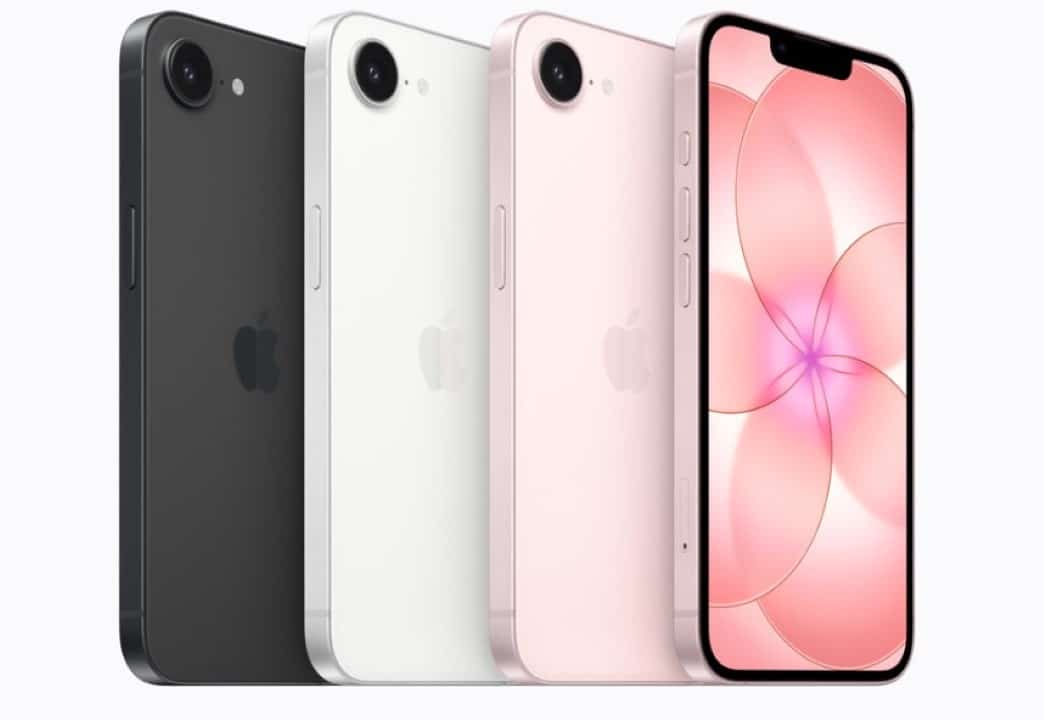
The North American manufacturer The newly announced device enters into a direct collision course with the recent launches of the Google, establishing a new level of demand for consumers looking for entry-level devices with premium features. The main technical difference that has driven analysis of the technology sector lies in the way each company approaches wireless charging and compatibility with ecosystems of magnetic accessories. Essa strategic move by technology giants redefines the options available on virtual and physical shelves in global retail.
Magnetic integration transforms everyday usability
Full magnetic alignment standard support in the new Apple device solves one of the biggest frustrations for induction charging users. The precise connection prevents the cell phone from slipping out of the base overnight, ensuring the battery is completely full at the start of the day.
The technology allows a wide range of complementary products to be attached directly to the back of the smartphone with extreme safety and practicality. Carteiras compact car mounts for GPS navigation, tripods for photography and even portable external batteries attach instantly using internal magnets. Essa ease of use creates a positive user dependence on the brand’s ecosystem, making it difficult to migrate to competing systems that do not offer the same level of native integration.
For consumers who have already invested significant financial resources in charging bases and supports compatible with the company’s standard, the inclusion of this functionality in the cheapest model represents considerable savings and an incentive to upgrade the device. The absence of the need to purchase adapters or special covers with metal rings glued to the outside keeps the original design of the phone intact, preserving the aesthetics designed by the engineers. Além Furthermore, energy efficiency during charge transfer is maximized when the induction coils are perfectly aligned, reducing heating of the aluminum chassis and extending the long-term life of the power cell, a crucial factor for anyone planning to keep the same phone for several years in a row.
Technical limitations of the direct competitor
The device developed by Google takes a more conservative approach to transferring power without using cables. The device supports the traditional Qi standard, but leaves out the internal magnetic components that would facilitate perfect alignment with charging bases available on the current market.
This engineering choice forces owners to place the phone with extreme caution on wireless chargers to begin the battery powering process. Qualquer Stronger vibration caused by notifications or an accidental bump on the table can interrupt charging, resulting in a drained device at times of greatest daily need.
Market alternatives and their commitments
The parallel accessories industry quickly developed palliative solutions to overcome the lack of magnets in the search giant’s device. Capas protection devices with embedded metal rings are sold on a large scale to simulate the magnetic attachment experience.
However, these adaptations introduce unwanted disadvantages to the ergonomics and appearance of the product. The extra bulk added by thicker protective cases compromises the phone’s grip, making one-handed handling more difficult for users with smaller hands.
The magnetic pull of these third-party solutions rarely matches the strength of factory integration. Relatos of devices that detach from vehicle supports when going over holes or speed bumps are common among users who opt for these improvised alternatives.
Photographic and design advantages of the rival model
Despite lagging behind in terms of magnetic charging, the Google smartphone has significant strengths in other hardware areas. The front panel design adopts a small centralized hole to house the selfie camera, ensuring superior screen use.
This aesthetic choice eliminates the pronounced upper cutout that is still present on the Apple’s input device. Watching videos and immersing yourself in electronic games benefit from this cleaner, uninterrupted screen.
In the image capture department, the Google implemented a more versatile optical assembly on the back of its device. The presence of a dedicated ultrawide lens allows you to capture expansive landscapes and large group photos in confined spaces with ease.
In contrast, the affordable model of the Apple bets all its chips on a single 48MP main sensor Fusion. While the Embora offers excellent image quality and high-resolution digital crops, the lack of an expanded field of view limits the creative options of casual photographers.
Screen performance and power autonomy
Visual fluidity is another point where the balance tips favorably towards the device focused on the Android system. The device’s panel achieves a refresh rate of 120Hz, providing extremely smooth interface animations and trail-free text scrolling, while the direct competitor remains stagnant at the standard rate of 60Hz. The maximum brightness achieved by the screen also guarantees better readability in direct sunlight, making it easier to use GPS or read messages in bright outdoor environments.
The Google phone’s power retention capacity is impressive with its 5,100mAh battery, a substantial number for the category. Quando combined with support for fast charging via a 30W cable, the user can replenish hours of use in just a few minutes when connected to the socket. Essa The combination of large energy storage capacity and fast recharging minimizes the anxiety of being disconnected during long trips or intense workdays away from power sources.
Artificial intelligence and data processing
The deep integration of artificial intelligence tools based on the Gemini model gives the Google device software processing capabilities that transcend physical hardware. Users have access to proactive virtual assistants capable of summarizing long text documents, translating real-time conversations with high accuracy, and suggesting complex contextual responses to work emails. In the field of photo editing, advanced algorithms allow the removal of unwanted elements from the background of images, changing the lighting of faces after clicking and even reconstructing cropped parts of the photo with impressively realistic results. Essas features largely run locally on the device’s processor, ensuring privacy to user data and speed in executing tasks, without the constant need to connect to cloud servers to process basic day-to-day commands.
Global retail pricing strategy
The financial factor plays a crucial role in the dispute for consumer preference in this specific segment. The Google device hits stores costing approximately US$100 less than the Apple rival, which has its starting price set at US$599 for the version with 256GB of internal storage.
Brand positioning for the public
The difference in price charged on shelves helps justify cost-cutting choices made by development teams, such as omitting internal magnets. The strategy of keeping the price aggressively low aims to capture the portion of buyers who have a strict budget, but do not give up on a competent camera system and guaranteed software updates.
On the other hand, the iPhone manufacturer is betting that the convenience of its closed ecosystem and the high capacity to retain the resale value of its products compensate for the higher initial investment. The inclusion of premium technologies in the basic model reinforces the brand’s image of delivering a consistent user experience across its entire mobile phone portfolio.
Technological evolution in the input sector
The recent movement of the main smartphone manufacturers indicates a clear trend towards the democratization of cutting-edge resources. Tecnologias that a few years ago were exclusive to the most expensive models on the market are now beginning to dictate the minimum acceptable standard for mid-range and basic category phones. Competitive pressure forces companies to constantly raise the quality bar for their most affordable products so as not to lose market share.
The expectation of technology sector analysts is that the next generations of devices will correct the current gaps observed in both models. The adoption of the Qi2 standard, which incorporates magnetic alignment universally, should become a mandatory requirement for future launches of the Google A line, leveling the battlefield in terms of wireless charging and expanding accessory options for all users, regardless of the operating system chosen at the time of purchase.
