
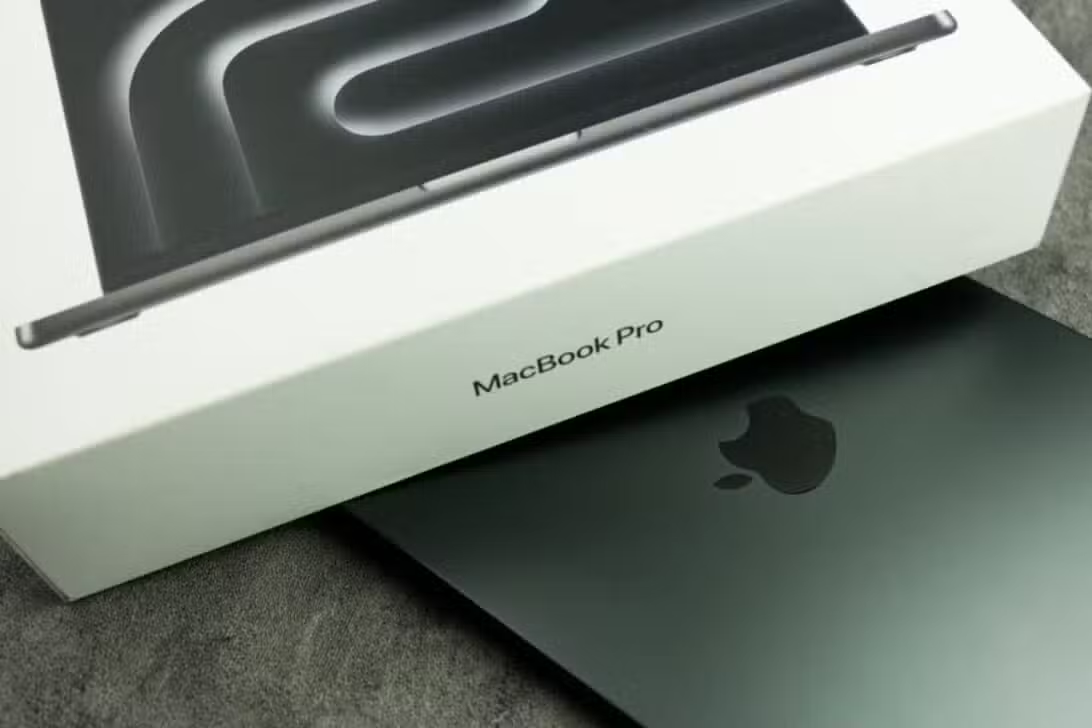
The North American manufacturer Apple is working on the development of a new generation of portable computers equipped with the unprecedented line of M6 processors. The project represents a profound overhaul of the brand’s engineering, moving away from incremental updates to delivering severe structural modifications. The central proposal involves the drastic reduction in thickness and weight, combined with the introduction of visual and interaction technologies previously restricted to the company’s smartphones and tablets.
The redesign marks the first major physical change to the company’s high-performance equipment since the redesign a few years ago, which prioritized cooling and the return of connection ports. The new engineering seeks an exact balance between extreme portability and thermal processing capacity. The thinner chassis will require innovative internal solutions for heat dissipation, ensuring that the aesthetic gain does not compromise performance under continuous stress.
The modifications include the adoption of displays with organic light-emitting diodes, the implementation of support for direct touches on the display and a new software interface adapted for quick interactions in the camera area. The set of innovations aims to unify the user experience between the brand’s different product categories, establishing a new standard for the high-performance personal computing sector aimed at content creators and system developers.
Advanced architecture and energy efficiency
The processing core of the new generation of computers will be based on the M6 silicon family, which should reach the market subdivided into standard categories, Pro and Max, serving everyone from everyday users to heavy video editing and three-dimensional modeling professionals. The great revolution in this line lies in the two-nanometer lithography process, a manufacturing technique that allows a significantly greater number of transistors to be allocated in a reduced physical space. Essa extreme miniaturization of internal components results in faster data traffic and considerably lower power consumption compared to previous generations manufactured in three or five nanometers. Improved energy efficiency is the key factor that will allow the manufacturer to reduce the thickness of the housing without sacrificing battery life, one of the points most praised by the brand’s consumers. Além Furthermore, the two-nanometer architecture shares the same research and development base applied to the company’s most advanced mobile processors, creating a technological synergy that facilitates the optimization of the operating system and native applications. Thermal control, a major obstacle in reduced thicknesses, will be managed by new solid-state heatsinks and ultra-low profile fans, ensuring that the equipment maintains maximum performance even during prolonged rendering or complex code compilation.
Visual revolution with high definition panels
The transition to display technology based on organic compounds represents a qualitative leap in image reproduction for portable computer users. Diferente From traditional liquid crystal panels that rely on a constant backlight, the new technology allows each pixel to be illuminated individually, resulting in absolute blacks and a virtually infinite contrast ratio. Essa feature is essential for audiovisual professionals who require extreme precision in color gradation and visualization of details in shadow areas during post-production of high-resolution videos and photographs.
The adoption of this new visual standard also plays a structural role in the device’s design, since the absence of a dedicated backlight panel reduces the overall thickness of the screen module. The gain in millimeter space on the top cover directly contributes to the slender profile of the new chassis, in addition to reducing the total weight of the machine. Factory calibration promises to cover wide color ranges with strict fidelity, while the front glass will receive enhanced anti-reflective treatments for easier use in outdoor environments with strong sunlight.
Integration of touch commands on the screen
The introduction of touch sensitivity on the displays of the brand’s portable computers meets a historic demand from consumers and developers. The feature is designed to act as a secondary input method, facilitating quick actions such as scrolling pages, enlarging images, and selecting tools in editing applications. Software engineering maintains the physical keyboard and glass trackpad as the primary controllers for precision tasks and extended typing.
The operating system will undergo subtle visual adaptations to accommodate the new form of interaction without distorting the traditional interface focused on the use of cursors. Window control buttons, drop-down menus, and toolbars will receive slightly expanded click areas, ensuring precision when the user chooses to tap directly on the display. The fluidity of animations will be synchronized with the screen refresh rate to provide immediate haptic feedback.
Many of the multitouch gestures already established on the manufacturer’s mobile devices will be ported natively to the main desktop. Pinch to zoom, side swipe to switch between work areas and multi-finger tap to access context menus will create a familiar usability bridge for users who constantly move between different devices from the same brand during work hours.
Changes in the front area and interactivity
The design of the screen’s top bezel will undergo a significant aesthetic change with the removal of the dark rectangular notch that housed the optical sensors. The new approach uses a centrally positioned minimalist circular cutout, freeing up more useful pixel space for displaying system content and menus. The modification aligns the visual identity of portable computers with the design language already established in the company’s high-end cell phones.
The area around the front camera will no longer be a static space but will become a dynamic and expandable notification center. The software will create a fluid interface that shapes around the physical cutout, displaying system alerts, file transfer statuses, and media playback controls in a non-intrusive way. Visual integration disguises the presence of photographic hardware while adding practical utility to the upper region of the viewfinder.
Third-party applications will be able to use specific programming interfaces to send real-time information to this new interactive area. A user watching the rendering of a complex project or waiting for an app transport to arrive will be able to monitor progress directly at the top of the screen, without the need to switch between windows or interrupt their main workflow.
The functionality expands the concept of the traditional menu bar, transforming it into a contextual control panel that reacts to user actions. The expansion and contraction animation of notifications was designed to be smooth and organic, reinforcing the feeling of absolute integration between the physical components of the machine and the code that manages its daily operations.
Expanded mobility with mobile networks
The ability to connect directly to cell phone networks represents a significant logistical advance for professionals who depend on uninterrupted internet access on the go. The incorporation of proprietary high-speed modems will eliminate dependence on public wireless networks or data sharing via cell phone, offering a more stable, secure and lower latency connection for video conferencing and accessing remote servers.
The development of internal radio frequency components allows the manufacturer to optimize energy consumption when searching for and maintaining a network signal. The antenna will be integrated into the chassis structure invisibly, maintaining the integrity of the metallic design while ensuring broad reception of global frequencies, facilitating the work of executives and content creators who travel frequently internationally.
Market strategy and availability
The distribution of new equipment must follow a strategic schedule focused on maximizing the attention of the technology sector and the consumer public. The simultaneous presentation of different sizes and configurations aims to immediately meet both the demand for extreme portability and the need for extremely high-performance mobile workstations. The supply chain was adjusted to ensure sufficient volume of organic panels and advanced lithography processors within the first few weeks of commercialization.
The expectation surrounding the new generation moves the electronic components sector and establishes new competition parameters for other personal computer manufacturers. The combination of advances in processing, visual quality and interaction methods places the equipment in a prominent position, requiring the corporate market and self-employed professionals to reevaluate their machinery update cycles to take advantage of the productivity gains offered by new embedded technologies.
Continuous evolution of the ecosystem
The deep integration between the new hardware and the operating system demonstrates the focus on creating increasingly invisible and efficient work tools. The addition of diverse input methods and the extreme optimization of energy consumption consolidate the equipment as a self-sufficient production center, prepared to run complex algorithms locally while maintaining the versatility necessary to operate in any physical environment.