
Architecture of the new 8 GB MacBook Neo outperforms Windows notebooks with four times less RAM consumption

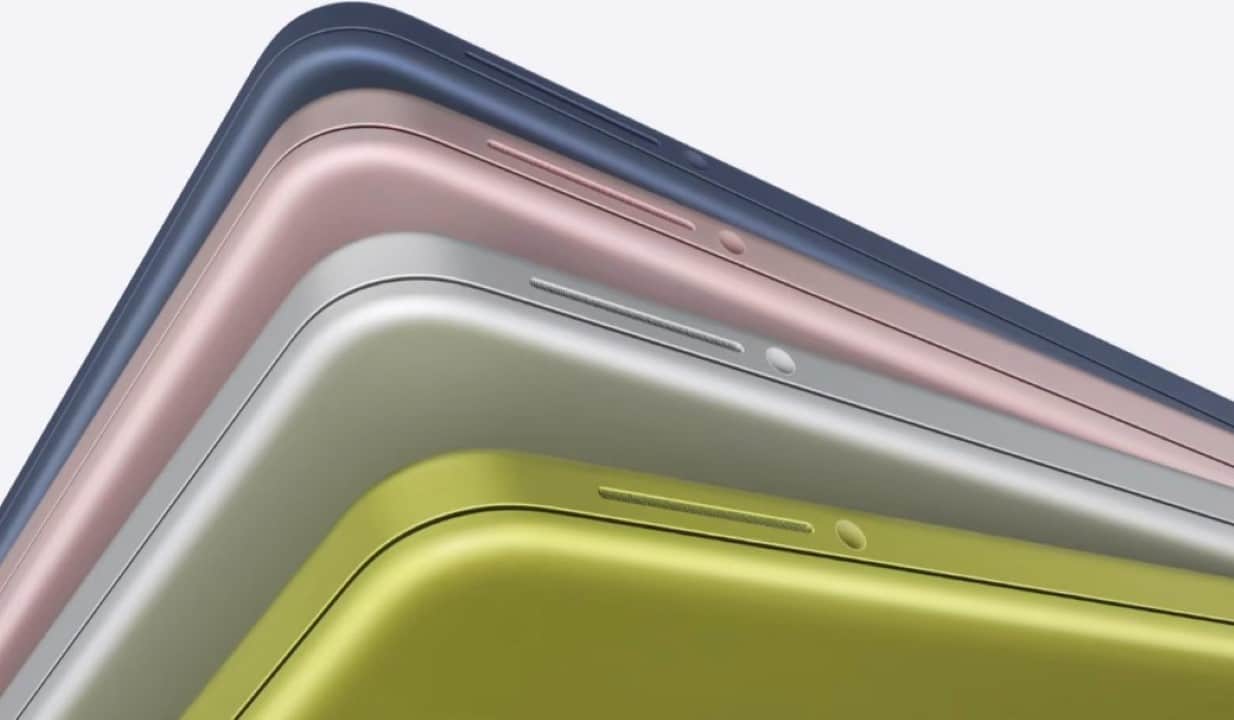
Apple recently introduced a new entry-level portable computer to the technology market that reignited debates about hardware specifications. The equipment, initially sold for $599, features a base unified memory configuration that generated initial questions from the most demanding consumers. However, rigorous technical evaluations have demonstrated that the integration between the proprietary processor and the manufacturer’s operating system allows for highly optimized resource management. Essa operational efficiency places the device in a competitive position against competing machines that require numerically superior specifications to deliver the same fluidity.
Price dynamics and positioning in the current market
The launch price sets a new level for the Californian company’s computer line, aiming to attract students and home users. The commercial strategy seeks to offer a more accessible gateway to the brand’s ecosystem, without sacrificing the quality of the aluminum construction and high-resolution screen.
Experts in the technology sector point out that this aggressive pricing puts direct pressure on traditional computer manufacturers. Competing companies face difficulties in delivering the same level of finish and battery life in the same price range, especially with the global increase in electronic components.
Integrated hardware technical specifications
The core of the new portable computer is powered by an in-house developed processor designed to maximize the relationship between performance and energy consumption. The chip’s architecture encompasses multiple central and graphics processing cores, operating in conjunction with a neural engine dedicated to machine learning tasks.
To understand the capacity of the equipment, it is necessary to observe its fundamental factory specifications. Components include: – Processador with six CPU cores and five GPU cores; – Componente of non-expandable unified memory; – Unidade solid state storage starting at 256 GB; – 13-inch Painel Liquid Retina with approximate resolution of 2408 x 1506 pixels; – Bateria designed to support up to 16 hours of continuous use in mixed use.
These physical characteristics work in sync with the software to avoid processing bottlenecks. The absence of fans in some models in this category also reinforces the focus on silent and thermally efficient operation during daily use.
Consumption assessments in simultaneous use scenarios
To quantify the difference in efficiency, independent laboratories ran parallel tests using the same applications on different platforms. The test environment simulated the intense daily use of a media professional or university student who requires multiple open tools.
The testing routine included opening an internet browser with twenty active tabs, simultaneous playback of video in very high resolution and image editing software operating in the background. The same workflow was applied to a rival computer equipped with a significantly larger amount of conventional memory.
System monitoring logs revealed a notable discrepancy in resource consumption during execution. The internet browser required just 1.67 GB on the Apple operating system, while the same application consumed 4.76 GB on the rival environment.
Total system consumption on the apple computer stabilized at 7.24 GB during peak stress. In contrast, the competing machine needed to allocate 27.1 GB of memory to support exactly the same tasks without experiencing noticeable crashes or slowdowns.
Unified architecture as a processing differentiator
The technical explanation for this disparity lies in the way the unified memory was designed by the manufacturer. Diferente Traditional motherboards, where the central processor and graphics card have separate memory banks and need to constantly copy data to each other, the proprietary chip integrates everything into a single instantly accessible assembly. Essa Eliminating redundancies in information traffic drastically reduces the need for raw capacity, allowing the operating system to manage data packets at a speed much faster than old personal computer industry standards.
In addition to the physical structure of the chip, the operating system carries out a continuous data compression process in active memory. As the physical limit approaches, the software uses ultrafast solid-state storage as a temporary extension, a process technically known as swapping. Devido the high read and write rate of the internal disk, the end user does not notice the data transition between main memory and secondary storage, ensuring that navigation and switching between applications remains fluid even under high workload.
Operating system behavior and software optimization
The equipment’s competitive advantage is also deeply tied to how software developers adapt their programs to the ARM instruction-based architecture. Native Aplicativos are rewritten specifically to take advantage of the chip’s hardware accelerators, resulting in extremely lean resource usage behind the scenes. The rival operating system, due to its fragmented nature and need to support thousands of different combinations of motherboards, processors and video cards, loads a substantial amount of generic services and universal drivers from the moment of boot. Essa heavy initial load consumes a significant portion of memory before the user even opens the first application. The Californian manufacturer’s vertical integration, which controls both the silicon design and the operating system code, eliminates this generic overhead, directing almost all available resources to the tasks that the user is actively performing at that specific moment.
Physical Limitations in Extreme Workflows
Despite proven efficiency in everyday tasks and moderate multitasking, the hardware presents insurmountable physical restrictions in extreme professional use scenarios. Renderizações complex video recordings with multiple effects, heavy three-dimensional simulations, or running multiple virtual machines simultaneously force the system to overuse secondary storage.
Strategic positioning against traditional manufacturers
The personal computer industry is closely watching the market movement generated by this affordable launch. Brands that rely on third-party operating systems find it difficult to optimize their products to the same level, depending solely on increasing raw hardware capacity to compete on the shelves.
This dynamic forces competitors to inflate production costs by adding more memory modules to compensate for the lack of native integration. The end consumer, when analyzing the cost and benefit relationship, starts to prioritize the real fluidity of the system instead of focusing only on the numbers printed in the product’s technical specifications.




