
Arrival of the Samsung Galaxy S26 Ultra introduces 200 megapixel camera and advanced artificial intelligence

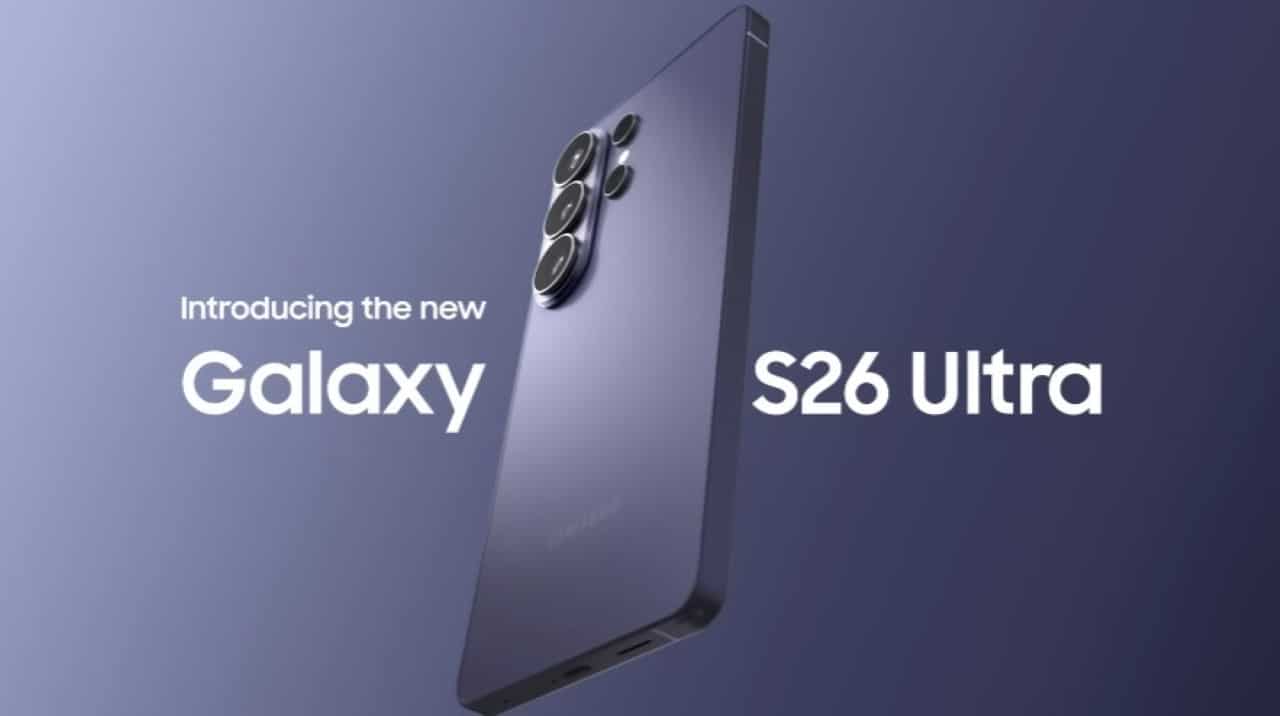
The South Korean manufacturer officially launches its latest high-performance device into the global technology market. The device arrives with the proposal to unify ultra-fast data processing, optimized photographic capabilities and a physical structure focused on durability. The engineering applied to the model seeks to serve consumers who require fluidity in high-demand productivity and entertainment tasks.
The development of the hardware prioritized the integration of components that operate in conjunction with local neural networks. Essa architecture allows the device to execute complex commands without relying exclusively on connections to the cloud, ensuring greater response speed and privacy when handling sensitive user information.
– Processador manufactured with 3 nanometer architecture for energy efficiency.
– Sistema main image capture sensor with 200 megapixels.
– Estrutura exterior made of titanium, ensuring lightness and resistance.
Processing architecture and energy efficiency
The operating core of the smartphone is powered by a state-of-the-art chip developed under 3-nanometer lithography. Essa technical specification represents a quantitative leap in raw processing capacity, recording an increase of approximately 30% in task execution speed in direct comparison with the previous generation of mobile processors.
The miniaturization of transistors not only raises the performance ceiling for heavy applications and games with advanced three-dimensional graphics, but also acts directly on energy management. Enhanced thermal control prevents overheating during prolonged use, maintaining operating system stability even under continuous computational stress.
Integration of neural networks and automated functionalities
The presence of a dedicated neural processing unit transforms the way the software interacts with everyday commands. Artificial intelligence operations occur directly on the device’s hardware, eliminating latency common in services that depend on external processing and protecting personal data against interception on public networks.
Among the tools enabled by this technology, simultaneous translation of voice calls and text messages stands out. The system recognizes different languages in real time, converting audio and writing instantly, which facilitates international communication without the need for third-party applications installed on the device.
The user interface also benefits from machine learning, adapting to individual usage patterns. The software anticipates the opening of frequent applications at specific times and manages resources in the background, optimizing RAM memory and ensuring navigation free from unexpected crashes or crashes.
High-resolution image capture and video recording
The rear optical array is led by a 200-megapixel main sensor, designed to record extreme levels of detail. Pixel grouping technology merges multiple captures into a single image, maximizing light absorption in night scenes or indoor environments with poor lighting, significantly reducing visual noise.
The photographic hardware is complemented by a recalibrated ultrawide lens to prevent edge distortion and a dual telephoto system. The periscope sensor offers 10x optical zoom and achieves up to 100x spatial zoom, using advanced mechanical stabilization to keep the object in focus even at long distances.
In the field of audiovisual recording, the device supports capturing videos in 8K resolution at 60 frames per second. Optical image stabilization works in conjunction with digital correction algorithms to eliminate hand shake, delivering professional-looking material directly from the native camera, without the need for external stabilizing equipment.
Editing tools built into the gallery allow for in-depth changes to registered media. The user can remove unwanted objects from the background, change the focus of already captured photographs and remaster old images, all processed locally by the device’s artificial intelligence in a matter of seconds.
Visual panel physical construction and specifications
The external structure abandons traditional aluminum in favor of a titanium alloy, a material widely used in the aerospace industry due to its high strength-to-weight ratio. Essa design choice protects internal components from accidental impacts and drops, while providing a matte finish that repels fingerprint marks. IP68 certification ensures complete sealing against the ingress of fine dust and allows temporary submersion in fresh water without damaging electronic circuits, reinforcing the product’s long-term durability.
The 6.8-inch Dynamic AMOLED 3X screen dominates the front of the device, featuring symmetrical and minimized edges that expand the useful viewing area. The panel reaches a peak brightness of 2,800 nits, ensuring perfect readability in direct sunlight. The adaptive refresh rate ranges from 1 to 144 Hz, adjusting the fluidity of the screen according to the content displayed. Textos statics reduce the rate to save power, while interface animations and competitive games raise the rate to the maximum to eliminate visual trails and delays in touch commands.
Energy capacity and recharging protocols
Power delivery is managed by a battery cell with a total capacity of 5,500 mAh, sized to support high-performance hardware during intense usage cycles. The synergy between the 3 nanometer processor and the adaptive rate screen results in highly optimized electrical consumption, allowing the device to exceed the 24-hour mark away from sockets in mixed use scenarios, which include web browsing, streaming video playback and photo capture. Quando recharging is necessary, support for the 65W super-fast charging standard via USB-C cable restores a full charge from zero to one hundred percent in approximately 35 minutes. The device also offers 30W magnetic induction charging and reverse charging functionality, transforming the back of the smartphone into a power base to power wearable accessories such as wireless headphones and smart watches, ensuring versatility for users who spend long periods on the go.
Wireless connectivity and device integration
Native support for the Wi-Fi 7 and Bluetooth 5.4 networks sets a new standard for wireless data transfer and peripheral pairing. The ultra-wideband 5G antenna guarantees gigabit download speeds, facilitating the consumption of high definition media and the instant synchronization of large files with cloud storage platforms, keeping the device perfectly integrated into the brand’s ecosystem of tablets and computers.
Security tools and tactile interaction
Protection of stored information is guaranteed by an ultrasonic fingerprint sensor built under the display. Esta third generation biometric component has an expanded reading area and maps finger grooves in three dimensions, preventing fraud with two-dimensional images and operating accurately even when the screen or the user’s hands are wet.
The stylus pen integrated into the device’s casing received updates to its motion and pressure sensors. Latency has been reduced to imperceptible levels, simulating the physical friction of a real pen on paper. The accessory acts not only as a writing and drawing tool, but also as an Bluetooth remote control, allowing you to trigger the camera, advance slides in presentations and control music playback remotely.




