
Capcom defines schedule for new Resident Evil remakes and expansion of the franchise in the global market

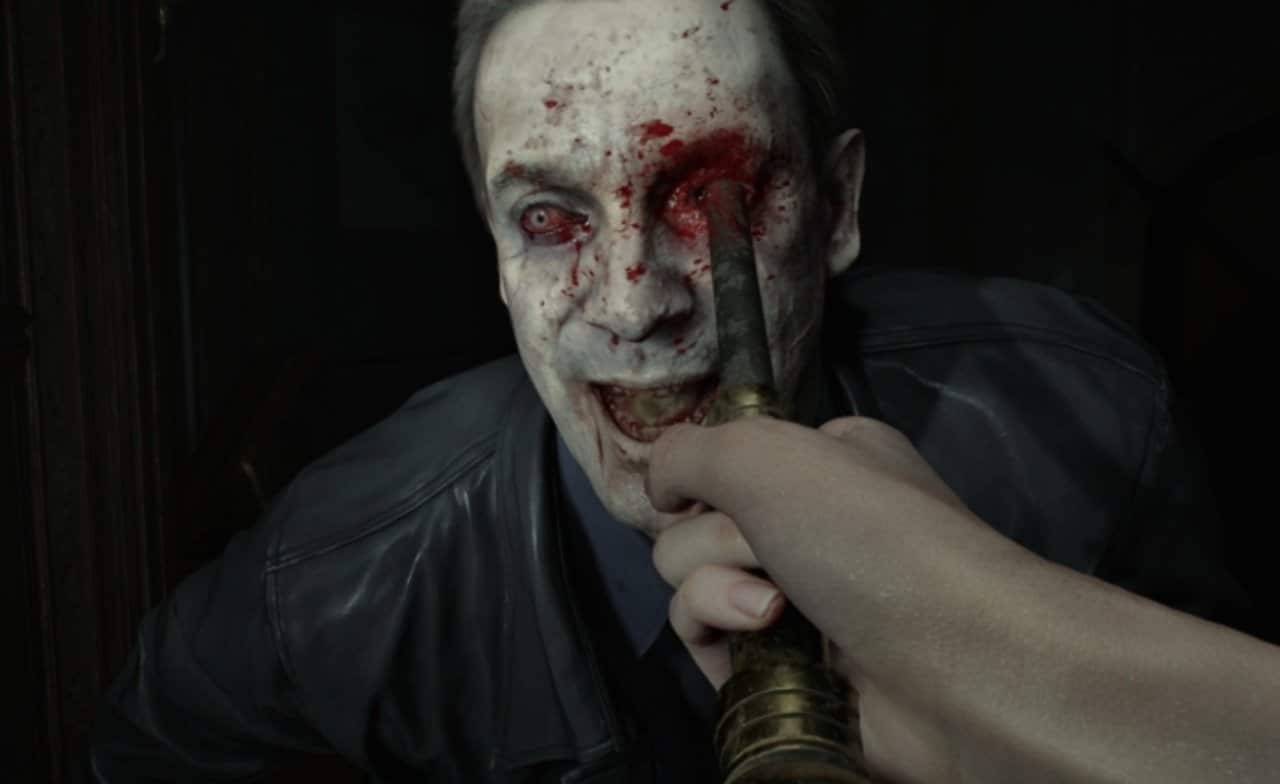
Japanese developer Capcom has established a long-term strategic roadmap for the Resident Evil franchise, encompassing the release of new major titles and highly anticipated remakes over the next few years. The company aims to consolidate its position in the global digital entertainment market through simultaneous development cycles, ensuring a constant flow of high-budget products to consumers. Internal planning involves hundreds of specialized professionals and uses the company’s proprietary graphics engine to ensure high visual fidelity and superior technical performance.
The corporate strategy focuses on prolonging the brand’s life cycle while maintaining strict quality control to avoid hasty launches that could compromise the integrity of intellectual property. The transition to new game design approaches reflects an adaptation to contemporary market demands, seeking to balance the nostalgia of veteran fans with the innovation needed to attract new audiences. The focus on digital distribution and optimization of operational costs forms the financial basis that supports these ambitious projects.
The expansion of the franchise universe includes the following structural pillars for the next software development cycles:
– Modernização of classic titles with updated gameplay mechanics and reworked controls.
– Introdução of open-world elements and non-linear exploration in the next main entries.
– Continuous Aprimoramento of enemies’ artificial intelligence to increase the level of challenge.
– Expansão of the narrative to create deeper connections between the different games in the series.
Release schedule and modernization of classics
The internal production schedule indicates that a remake of Resident Evil Code: The development team works to ensure the oppressive atmosphere is maintained through new lighting technologies.
Following this release, a remake of Resident Evil Zero is projected for the year 2028. Este specific title will focus on removing the restrictive mechanics imposed by the original hardware at the time of its release, offering a more fluid progression experience. Direct integration with current technological standards in the video game industry will allow for a complete overhaul of inventory systems and the dynamics of switching between main characters.
Development of the next main title in the series
The development of the ninth main chapter of the franchise is currently underway, representing a significant change in the design philosophy adopted by the company in recent years. The project incorporates an open world structure, set on an isolated island, allowing for broader exploration and non-linear narrative progression. Esta approach aims to offer players an unprecedented level of freedom within the survival horror universe.
This new entry introduces a new protagonist and enemy artificial intelligence completely reworked to adapt to open environments. The technical team focuses its efforts on expanding the graphics engine’s capabilities to support large-scale scenarios without compromising the detailed atmospheric tension that is characteristic of the series. Rendering long distances and the density of visual elements are priorities in this engineering phase.
The integration of all these new complex systems requires an extensive and meticulous testing phase on the part of developers. The quality assurance department conducts rigorous reviews daily to balance the horror aspects with the expanded freedom of movement provided by the open world design. The objective is to prevent the vastness of the map from diluting the feeling of constant danger that players expect from the brand.
Strategic planning for the next decade
In addition to the immediate releases, the conceptual phase for the tenth main game in the series has already begun, with a preliminary release window set for 2029. Este early start allows creative teams to establish a cohesive narrative link between upcoming titles. Pre-production involves creating gameplay prototypes and defining the art direction that will guide the project in the following years.
The company’s production flow was restructured to handle multiple large-scale projects simultaneously. Este parallel development model mitigates the financial risks associated with long production cycles and guarantees a constant presence of the brand on digital and physical shelves. The efficient allocation of human resources between the different internal studios is essential to maintain the pace of deliveries.
A highly anticipated project within this long-term vision is the definitive remake of the original Resident Evil, planned for a release window between 2030 and 2033. Este specific title is intended to celebrate the franchise’s historical legacy, utilizing the most advanced iteration of the company’s graphics engine. Recreating the iconic mansion will require meticulous level design and sound engineering work.
The timeline for this anniversary project remains flexible, reflecting a conservative approach to brand management. The management team prioritizes technological maturity and market readiness over strict adherence to a predetermined launch date. Final approval for mass production will depend on rigorous assessments of technical and commercial feasibility.
Technological expansion and improvement of the graphics engine
The developer’s proprietary graphics engine undergoes continuous architectural updates to support the ambitious scope of upcoming projects in progress. The software engineering division focuses on optimizing rendering pipelines, enhancing volumetric lighting, and implementing advanced physics simulations to elevate visual realism to new heights. Esses Technological advances are considered crucial to maintaining competitive advantage in a market characterized by the rapid evolution of desktop console hardware and growing consumer expectations regarding graphical fidelity. The ability to adapt the internal tool to different genres and visual styles demonstrates the versatility of the technological investment made by the company over the last decade.
The transition to open-world environments requires a fundamental restructuring of the graphics engine’s memory management and asset loading capabilities. Programmers work hard to create seamless transitions between indoor and outdoor areas, eliminating loading screens that could interrupt the immersive user experience. The integration of spatial audio technologies further enhances atmospheric depth, providing precise directional sound cues that are essential to stealth and survival mechanics. Frame rate stability in complex scenarios remains the key metric of success during technical optimization phases.
Market strategy and global brand consolidation
The commercial strategy implemented by the developer emphasizes the continued expansion of digital sales and the prolonged engagement of the player base through a diverse and strategically spaced product portfolio. By balancing the release of mainline innovations with remakes that appeal to nostalgia, the company effectively reaches both veteran fans and new consumers entering the horror gaming ecosystem. Intellectual property management extends far beyond traditional software development, encompassing transmedia adaptations, product licensing and strategic partnerships that reinforce the brand’s cultural presence on a global scale. Políticas strict internal rules dictate that any product carrying the franchise name must meet rigorous quality standards before receiving final approval for public distribution. Esta Meticulous oversight prevents dilution of brand value and ensures long-term profitability in an industry historically prone to volatile market trends and rapid changes in consumer behavior. Syncing marketing campaigns with development milestones maximizes visibility and audience anticipation, establishing a robust financial foundation for future investments in research and development of new interactive technologies.
Strict internal quality control
Internal evaluation committees have the executive authority to postpone any project that does not meet the performance and quality metrics established by the board. Este Unwavering commitment to quality assurance underscores the corporate philosophy of prioritizing product integrity over immediate financial gains, ensuring the franchise’s sustained success in the global marketplace.



