
General Motors and Hyundai combine engineering to create a new line of cars and pickup trucks in the region

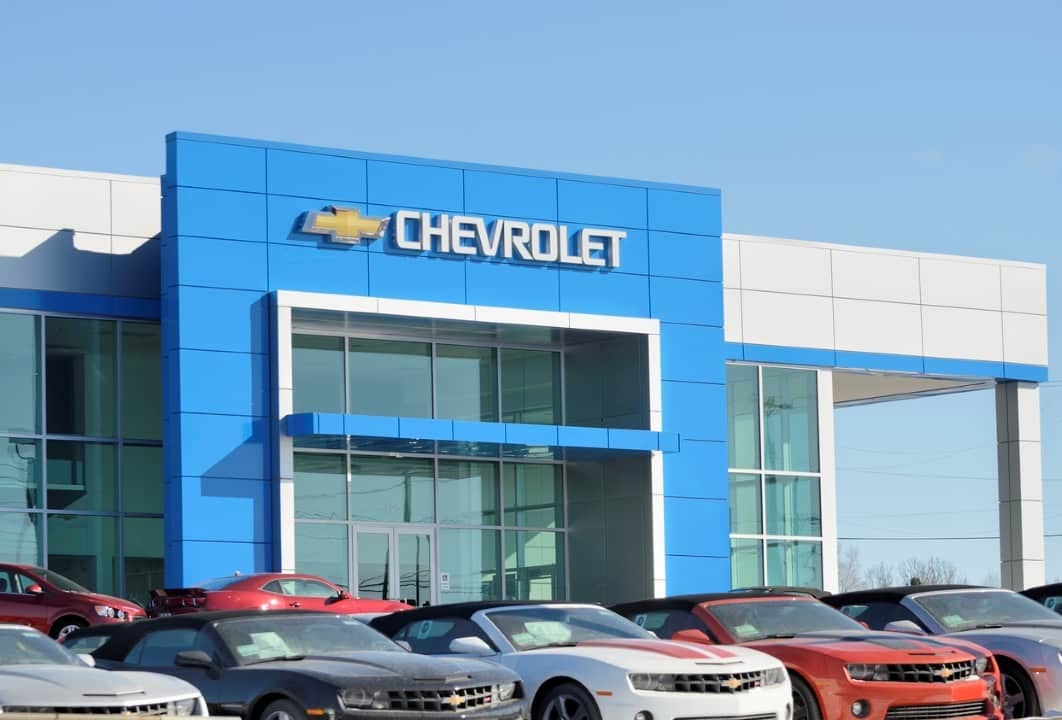
Automakers General Motors and Hyundai signed a technical alliance aimed at creating a new family of automobiles aimed at South American consumers. The joint project encompasses the design of four new models, comprising a sports utility vehicle, a passenger vehicle and two pickup trucks, one of which is medium-sized. The initial forecast indicates that the first results of this union will reach dealerships from 2028 onwards.
The main scope of the agreement establishes a clear division between the engineering phase and the manufacturing phase. The companies will only act collaboratively in the design and technical structuring of the cars, keeping their respective assembly lines operating completely independently. Essa delimitation ensures that each brand preserves its industrial autonomy while sharing the high costs inherent to research and innovation.
The movement of the two giants in the sector reflects a global trend towards optimizing resources in the face of an increasingly demanding and competitive market. By joining forces in laboratories and testing centers, the companies seek to accelerate the launch of options that meet the specificities of the local public, without compromising the visual identity and market positioning of each manufacturer.
Exclusive focus on engineering and product design
The dynamics of technical cooperation were recently detailed by executives linked to the South American operation of Chevrolet. Fabio Rua, vice president of Comunicação, Políticas Públicas and ESG of General Motors for the region, clarified that joint work takes place strictly in research centers. Teams from both corporations frequently exchange data to make projects viable.
The executive emphasized that there is no plan to merge physical production structures. The partnership is restricted to sharing automotive intelligence, allowing engineers from both parties to find joint solutions to mechanical and electronic challenges. Final manufacturing will continue to be the individual responsibility of each assembler in its own facilities.
This strategy of isolating manufacturing development protects industrial secrets linked to each brand’s assembly processes and supply chain. General Motors, for example, ensures the continuity of its manufacturing operations without the need to adapt its conveyors to accommodate vehicles from a competing company, keeping the logistics flow unchanged.
The exchange of professionals between the engineering headquarters is already underway, focusing on resolving technical bottlenecks in future platforms. The expectation is that this exchange of experiences will result in more efficient, safer architectures that are in line with emissions and road safety standards that will come into force in the coming years.
Strategic sharing of vehicle platforms
The technological basis of the agreement is based on the mutual exchange of platforms already tested and approved internationally, which will now gain new applications. The Hyundai will provide the K2 architecture, widely recognized for its application in high-volume compact automobiles. From this base, engineering will develop a passenger vehicle that will serve as the foundation for future generations of the Chevrolet Onix and the Hyundai HB20. Além In addition, the same structure will give rise to a compact sports utility vehicle, shaping the successors of the Chevrolet Tracker and the
In return, General Motors’s contribution will occur in the heavy vehicle segment, providing the North American Colorado pickup truck platform. Essa robust architecture will be the starting point for the design of the new generation of the Chevrolet S10, one of the most traditional models on the regional market. Simultaneamente, the same structural base will allow the Hyundai to enter the competitive medium pickup truck segment with an entirely new product. The cross-use of these platforms drastically reduces drawing time and billion-dollar investments that would be necessary if each company decided to create these bases from scratch, ensuring greater competitiveness in final prices.
General Motors’s manufacturing situation in the South American market
Chevrolet’s decision not to transfer part of its production to the partner’s facilities is directly linked to its current industrial infrastructure installed in the national territory. The North American manufacturer manages three large manufacturing complexes located in Gravataí, Rio Grande of Sul, and in the São Paulo cities of São Caetano of Sul and São José of Campos. Atualmente, these units operate with a margin of idle capacity, which means that there is physical space and machinery available to absorb the assembly of new generations of vehicles without the need to resort to third parties. Maintaining production in-house allows General Motors strict control over quality standards, in addition to facilitating the management of manufacturing volume according to fluctuations in commercial demand. Essa operational independence also protects the company from possible logistical bottlenecks that could arise if it depended on the schedule of an external factory, ensuring that the supply of its dealership network occurs in a fluid and continuous manner.
Production capacity and restructuring of the South Korean brand
Hyundai’s industrial scenario presents different challenges compared to its North American partner. The Asian automaker’s manufacturing complex, located in the interior of São Paulo, is currently working at maximum capacity, operating in three uninterrupted shifts. The plant delivers around 210 thousand units annually, driven by the high commercial acceptance of its compact models.
To be able to introduce new products into its assembly line, the company needed to announce an adjustment to its production capacity, raising the ceiling to 215 thousand cars per year. Contudo, this marginal increase does not solve the problem of space for the simultaneous manufacturing of all launches foreseen in the technical cooperation agreement.
Faced with this physical limit, the manufacturer began a process of restructuring its current portfolio. The strategy involves the discontinuation of models with lower sales volume, such as the sedan version of its flagship car, making room on the conveyor belts for the assembly of vehicles with greater added value and growing demand, aligning production with new commercial guidelines.
Portfolio expansion and introduction of sports utility vehicles
The renewal of the Asian automaker’s fleet includes the arrival of a new entry-level sports utility vehicle, designed to attract consumers looking for their first vehicle in this segment. Esse launch will take place in parallel with the development of new generations of its already consolidated products, requiring detailed logistical planning to avoid a lack of products in stores during the transition.
Brand representatives indicated that there are long-term investment plans to expand manufacturing capacity by the beginning of the next decade. However, the territorial limitations of the current industrial complex raise questions about the feasibility of a physical expansion in the same location, forcing the board to evaluate alternative routes to sustain the projected growth.
Alternatives for assembling new utilities
The lack of dedicated manufacturing space to assemble the future Hyundai mid-size pickup raises the question of outsourcing this specific stage. One of the alternatives studied by the market is the use of General Motors’s own assembly lines, which have idle capacity and will already be adapted for the Colorado platform. Caso If this path is confirmed, it would represent an evolution of the initial agreement, moving from strictly technical cooperation to a specific manufacturing partnership, solving the Asian brand’s production bottleneck without the need to build a new factory from scratch.
History of joint operations in the automotive sector
The search for external industrial solutions is not an unprecedented practice for the South Korean automaker’s subsidiary. In recent periods, the company has maintained production agreements with local groups, using facilities located in the Centro-West region to assemble utility vehicles and light load vehicles from imported kits.
Although this previous partnership ended last year, the experience demonstrates the company’s flexibility in adapting its supply chain through strategic alliances. The current development agreement with Chevrolet follows this same logic of corporate pragmatism, prioritizing financial efficiency and rapid technological updating in a sector that requires increasingly robust investments.



