
IFixit review gives the new MacBook Neo a score of 6 for making it easier to change batteries and ports

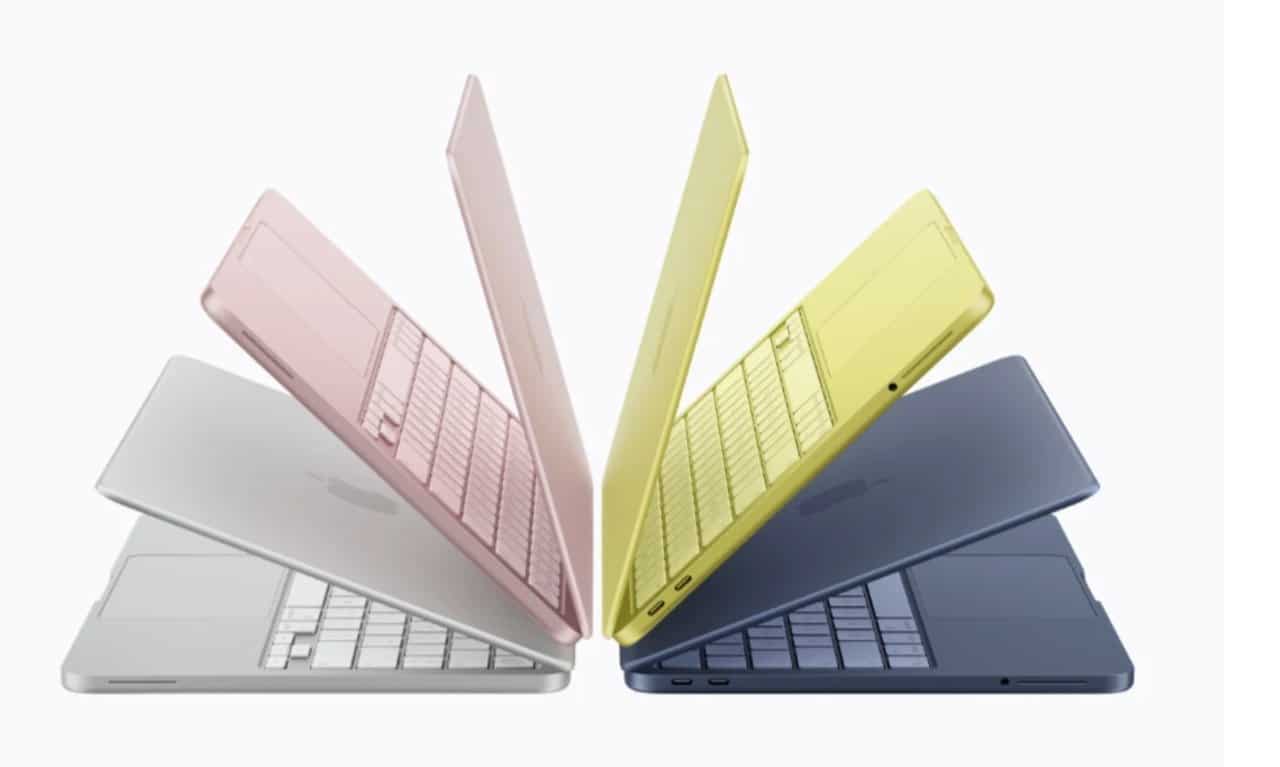
The North American manufacturer recently introduced its newest laptop to the global market specifically aimed at the educational sector and consumers who need more accessible equipment for their daily lives. The device features a 13-inch screen and hit shelves with a starting price of $599, attracting immediate attention from technology experts and educational institution managers. The central proposal of this equipment is not limited to reduced cost, but encompasses a profound structural redesign focused on durability and ease of long-term maintenance. Especialistas from the sector point out that this strategy aims to meet a growing demand for devices that support intense use in classrooms without generating exorbitant repair costs for schools.
The iFixit technical team, globally recognized for its thorough hardware analyses, carried out a complete disassembly of the device. The final report assigned a score of 6 out of 10 for the laptop’s repairability index, highlighting positive and negative points of the construction.
This result represents a significant milestone in the manufacturer’s recent trajectory. The score reflects a paradigm shift from models released in the last decade, which were widely known for their sealed and difficult-to-access architecture.
– Abertura simplified with just eight pentalobe screws on the bottom cover.
– Remoção of industrial adhesives when fixing vital parts of the system.
– Acesso direct connection, power and sound modules without complex disassembly.
Impact of regulatory standards on internal design
The internal architecture of the new laptop demonstrates a direct adaptation to the stringent regulations recently imposed by União Europeia regarding e-waste and the useful life of portable equipment. Economic bloc guidelines require manufacturers to ensure simplified battery replacement by the end of the decade, forcing technology companies to rethink their traditional assembly methods.
The equipment abandons the extensive use of glues and strong adhesive strips, opting for a mechanical system that facilitates technical intervention without the risk of damaging adjacent components. Essa regulatory compliance not only brings the device into compliance with international environmental laws, but also sets a new sustainability standard for the entry-level computer lineup.
Initial equipment disassembly process
The initial procedure to access the main board only requires removing eight pentalobe screws located on the bottom cover. Once the aluminum casing is removed, the internal layout reveals a spatial organization that prioritizes the immediate visualization of the parts most susceptible to mechanical failures.
Unlike past generations, where flat cables and shields hid the peripheral modules, the current arrangement allows the technician to quickly identify the speakers, trackpad and connection interfaces. iFixit highlighted in its report that the absence of overlapping layers speeds up visual diagnosis by maintenance professionals.
Removing the main logic board follows a logical and straightforward flow, requiring only the disconnection of simple plug-in connectors. The modular design adopted by the manufacturer shares notable similarities with the internal architecture found in the brand’s latest smartphone line, optimizing space without sacrificing accessibility.
Battery Replacement and Modular Ports
USB-C ports, often damaged by inappropriate use or cable accidents, were designed as modules completely independent of the main board. Essa physical separation allows a defective connector to be replaced individually, reducing the cost of the replacement part to a fraction of the original value.
The audio system, consisting of stereo speakers and the traditional headphone connector, follows the same principle of modularity. The routing cables have been strategically positioned along the edges of the chassis, preventing them from becoming stressed or exposed when servicing other areas of the laptop.
The battery, one of the items with the highest rate of natural wear in school environments, presents an extraction method considered safe and efficient by evaluators. The energy cell is fixed using 18 screws located on a metal tray, eliminating the use of chemical solvents that were previously necessary to dissolve industrial glue.
The set of antennas for wireless connectivity was also integrated to allow precise adjustments without interfering with the operation of the display. Essa independence between the communication modules and the screen ensures that network failures can be resolved without the need to dismantle the device’s top cover.
Challenges in changing the mechanical keyboard
Despite significant advances in peripheral modularity, mechanical keyboard replacement still requires a considerable level of patience on the part of the repairer. The component is fixed to the upper aluminum structure by exactly 41 precision screws, which requires time and organization during the complete disassembly of the part.
The score of 6 out of 10 given by iFixit reflects the limitations imposed by soldering the 8GB RAM memory and the solid-state storage chip directly to the logic board. Essa engineering decision prevents any type of future hardware expansion by the user, forcing the consumer to choose the definitive configuration at the time of purchase.
Adaptations for the educational market
The focus on the educational market requires structural robustness capable of withstanding common damage, such as accidental falls from tables and spills of liquids onto the typing surface. The modular design addresses these challenges head-on, enabling quick repairs without the need to completely replace the machine. Instituições providers, who often operate with limited budgets for technology infrastructure, greatly value this practical, cost-effective approach that keeps students connected.
During the technical analysis, there was a mention in the official disassembly manual of an ambient light sensor cable that, in practice, does not exist in the model sold. Essa discrepancy suggests that design updates were made at the last minute on the production line, demonstrating the manufacturer’s agility in optimizing the hardware. Transparency in providing technical documentation, even with minor review failures, actively collaborates with the global movement for the right to repair.
Operational advantages for educational institutions
The development of a laptop with a focus on repairability offers immeasurable financial and logistical advantages for the educational sector, which routinely operates with high demand for equipment availability in classrooms. In a typical school environment, physical wear and tear on buttons, broken screens, and drained batteries are daily occurrences that generate a constant volume of work orders for technology departments. The equipment, by allowing the school’s own IT support team to replace a damaged part using standardized tools, drastically reduces the total cost of ownership of the batch of computers. Técnicos students can carry out local maintenance in a few hours, eliminating dependence on external technical assistance and preventing students from being deprived of their study tool for long periods of time.
Comparison with previous generations of the brand
Hardware experts favorably compare the structure of the new model with the iconic laptops launched by the brand in 2012, a period before the massive adoption of glued components and irreversibly integrated batteries. The return to mechanical fastenings and independent modules signals a pragmatic industry response to consumer pressure for more durable and environmentally responsible technological products.



