
Players seek free alternatives on computers and consoles due to the high cost of games

Access to releases from the video game industry requires rigorous financial planning on the part of consumers, especially in the face of titles that often exceed the four hundred reais mark. Essa economic barrier restricts digital leisure options for a significant portion of the population, who are looking for viable alternatives to maintain their gaming habit. The disparity between the cost of entertainment and average income directly affects consumption dynamics in the technology sector.
Financial reality imposes strict choices when observing the current income distribution, based on the current minimum wage of R$1,621. Famílias who survive on a per capita income of half a minimum wage, equivalent to R$810.50, encounter substantial difficulties in allocating resources to the purchase of entertainment software. The commitment of the household budget to essential expenses relegates the acquisition of paid games to a secondary level.
Faced with this restrictive economic scenario, the demand for high-quality free titles is experiencing continuous growth across all platforms available on the market. Desenvolvedoras and publishers adjust their commercial strategies to meet this growing demand, offering complete experiences that do not require prior financial investment from the user.
Economic factors and consumer market adaptation
The high cost of purchasing electronic games reflects a complex combination of macroeconomic factors, including constant exchange rate fluctuation and the heavy tax burden on technology and software products. Essa situation makes the final product more expensive on virtual and physical shelves, transforming the act of purchasing a new release into a sporadic event for most users. Consequentemente, the player base massively migrates to catalogs that offer free, changing the flow of capital within the development industry itself.
The corporate sector’s response to this shift in consumer behavior is manifested in the proliferation of alternative business models, with an emphasis on distributing extensive demos and games completely free of upfront fees. Technology companies understand that establishing a broad, engaged user base is the first step to ensuring the long-term financial viability of a project. Monetization occurs secondary, allowing the public to try the product before deciding on any optional spending on virtual items.
FBC Firebreak inserts players into cooperative operations
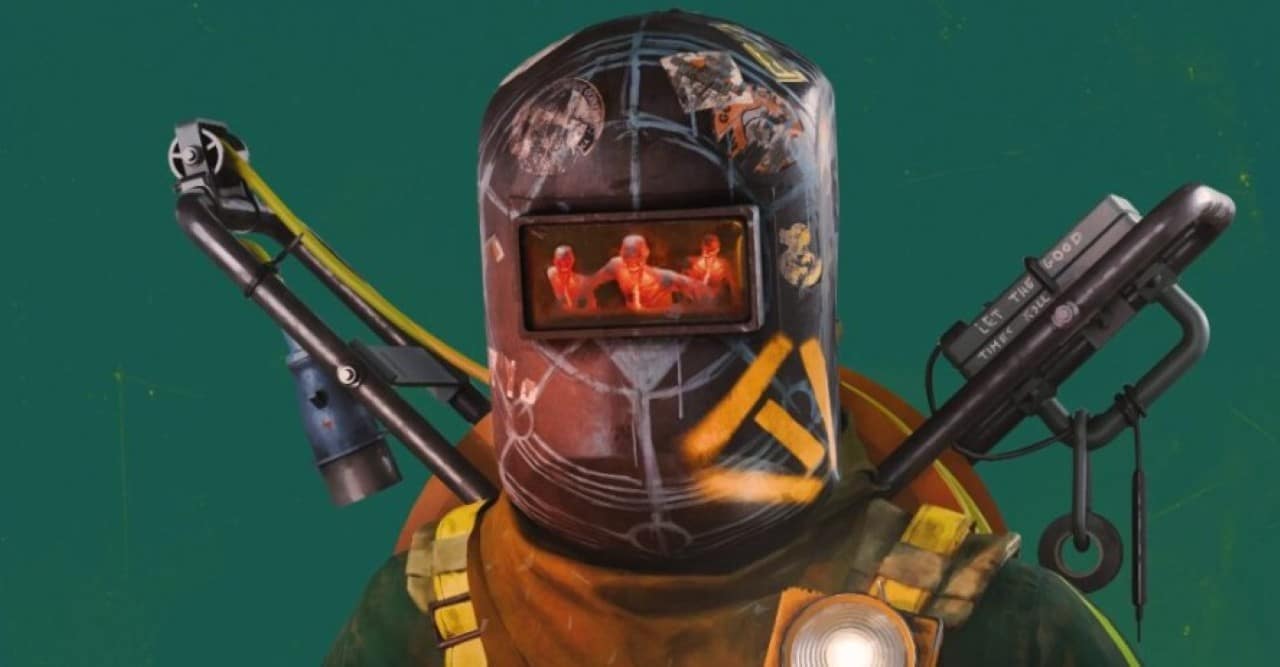
The title FBC: Firebreak emerges as a prominent option for first-person shooter enthusiasts, offering temporary free access on Xbox platforms. The work focuses entirely on cooperative multiplayer gameplay, requiring participants to work as a team to overcome obstacles and opponents. The game’s environment expands the narrative universe previously established by developer Remedy in the acclaimed title Control.
Users take control of Departamento Federal tactical agents of Controle, a secret government organization tasked with monitoring and neutralizing paranormal anomalies. The progression of missions places teams at the center of an unprecedented institutional crisis, demanding quick reflexes and strategic coordination to contain threats of supernatural origin that threaten the agency’s stability.
Sophie Starlight Whispers highlights independent production
The national software development industry stands out with the launch of Sophie: Starlight Whispers, the debut project designed by the Youth Gaming studio. The full version of the title arrived on the digital market with a price set at R$49.99, but the creators provided a free and robust demonstration on the Steam platform. Essa strategy allows the audience to experience the main mechanics and fantasy atmosphere before making a purchase.
The work fits into the metroidvania genre, characterized by the non-linear exploration of complex maps and the progressive acquisition of skills that unlock new areas. The visual aspect of the game is based on pixel art style graphics, building detailed scenarios that house varied enemies and characters with their own narrative arcs. Exploration rewards attentive players with secrets and hidden items scattered across interconnected environments.
A technical element that reinforces the project’s identity is the implementation of full dubbing in Portuguese, with professionals recognized by the local public. Complete sound localization eliminates language barriers and intensifies the user’s immersion in the story, demonstrating the technical maturity of independent productions developed in the domestic market.
The financial engineering behind no-initial-cost bonds
The business architecture of the interactive entertainment industry has undergone a profound restructuring with the rise and consolidation of the free-to-play format, a system that eliminates the financial barrier to entry for the end consumer. Estúdios of different sizes adopted this methodology as a central pillar of sustainability, transferring revenue generation to optional microtransactions integrated into the game ecosystem. The profitability of these projects depends on the sale of seasonal battle passes, cosmetic modifications for characters and convenience expansions that do not affect the competitive balance of matches. The maintenance of a robust server infrastructure and the continuous production of content updates are funded by a minority portion of the user base who choose to invest real capital in the virtual environment. Esse model fosters a cycle of constant innovation, forcing development teams to create dynamic events and attractive rewards to retain public attention in a highly competitive market. The absence of a cover price also acts as a catalyst for organic new user acquisition, facilitating peer-to-peer recommendation and the formation of massive global communities that sustain the product’s popularity over several years.
Open world survival and exploration competitions
The catalog of free options covers a diversity of genres capable of meeting different user profiles on multiple hardware platforms. The battle royale segment maintains its leadership position in engagement, driven by consolidated works that bring together dozens of participants in virtual arenas with the aim of survival. Free status acts as the main driver to keep servers populated and matches dynamic.
Titles like Apex Legends and Fortnite exemplify the enduring success of this competitive format, recording millions of daily hits on a global scale. Cross-availability between computers, desktop consoles and mobile devices ensures that the player base remains unified regardless of the equipment used. Periodic updates introduce new maps, weapons and movement mechanics to prevent the experience from stagnating.
In the field of action RPGs, Genshin Impact has established itself as a technical and commercial reference by offering a vast open world that can be explored without entry fees. The elemental reaction-based combat system and elaborate art direction attract players looking for long narratives and complex missions. The game’s infrastructure supports online cooperative sessions, allowing for joint puzzle solving and boss battles.
Content distribution in Genshin Impact occurs in a fragmented manner through regular updates that expand the map and add new controllable characters. Monetization is based on virtual lottery mechanics, where users can invest resources obtained in the game itself or real money to try to acquire specific equipment and heroes, maintaining access to the main campaign completely free of cost.
Alternatives focused on logical reasoning and planning
For users who prioritize tactical planning over quick reflexes, the market offers free options of high strategic complexity. Obras like Teamfight Tactics and Hearthstone dominate the segment of automatic battles and collectible card games, requiring scenario reading and constant adaptation to opponents’ moves. The asynchronous or turn-based nature of these titles allows for more rhythmic gaming sessions, ideal for devices with touchscreens or desktop computers.
Strategies for monitoring catalogs and redeeming licenses
Finding quality free software requires constant monitoring of the main digital distribution fronts operated by technology giants. Virtual Lojas such as Steam, Epic Games Store, PlayStation Store and the Google and Apple mobile platforms update their offers and demos sections weekly. Redemption of promotional licenses guarantees permanent possession of the product in the user’s library, even after the end of the free period established by the publisher.
Monitoring specialized forums and promotion aggregators optimizes the process of discovering new titles at no cost. Desenvolvedoras often use the free distribution of old games from their franchises as a marketing tool to promote the release of direct sequels. Active participation in these virtual communities ensures that players do not miss short redemption windows and maximize their digital entertainment options.
The role of free access in expanding access to technology
The continuous availability of electronic games at no financial cost plays a decisive role in the digital inclusion of portions of the population with lower purchasing power. Access to these interactive entertainment platforms encourages the development of cognitive skills, problem solving and familiarization with complex interfaces. Video game culture goes from being a niche restricted to high-cost equipment to becoming a ubiquitous medium on mobile devices and conventional computers.
The free games ecosystem encourages the creation of social networks around common interests, connecting individuals from different geographic regions in collaborative virtual environments. Reducing economic barriers allows a greater number of people to actively participate in the sector’s technological innovations, ensuring that digital leisure fulfills its role of integration and technical development in contemporary society.



