
Samsung launches Galaxy S26 Ultra with new hardware-level privacy screen to block prying eyes

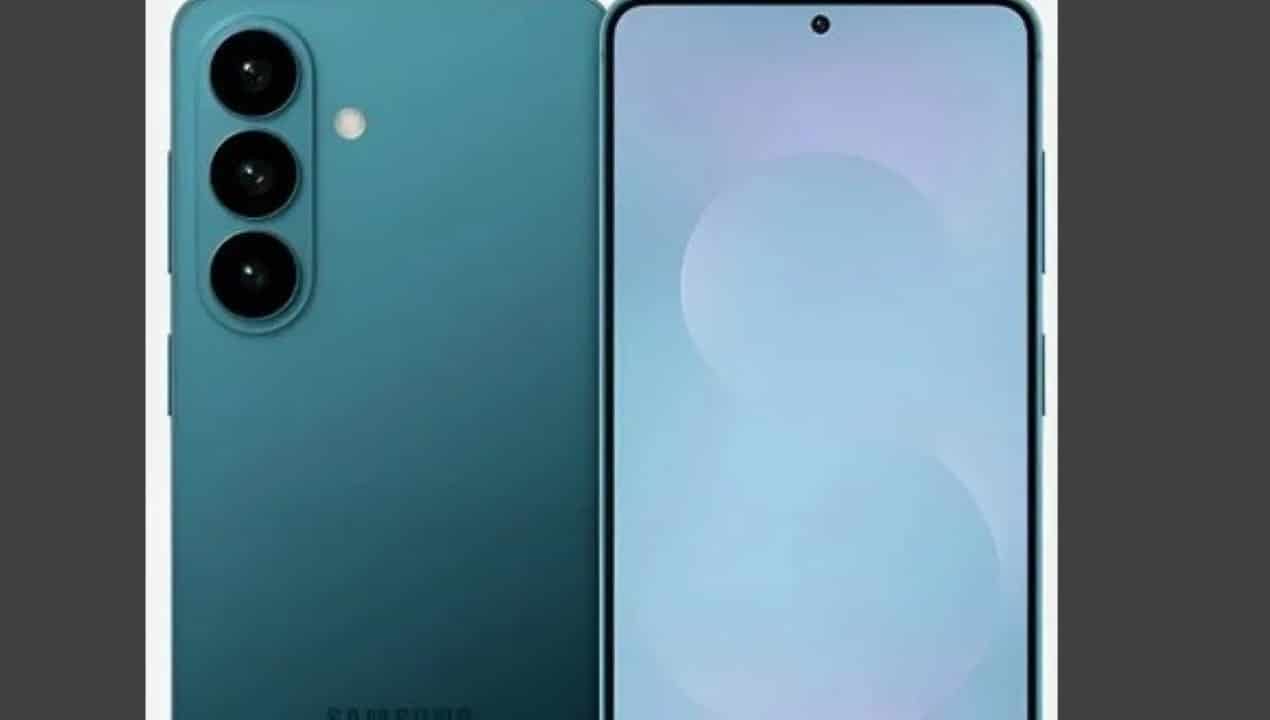
The South Korean manufacturer Samsung introduces the new smartphone Galaxy S26 Ultra to the global market, highlighting an unprecedented tool aimed at visual information security. The device incorporates native privacy screen technology, developed directly into the device’s hardware, with the aim of preventing people around them from viewing the content displayed on the high-resolution panel.
The launch comes at a time of growing demand for the protection of sensitive data in public environments, such as public transport, airports and shared offices. The functionality allows the cell phone owner to block the side, top and bottom view of the screen with a simple command in the operating system settings, restricting reading only to those holding the device.
Unlike physical films sold on the aftermarket, the company’s integrated solution offers dynamic control over the opacity of the display. The novelty moves the telecommunications sector and raises debates among technology experts about the practicality of the resource in everyday life and the direct impacts on the general image quality of the premium display.
Security context in the new generation of smartphones
The implementation of this visual barrier in the Galaxy S26 Ultra represents the most significant advancement in the line compared to its direct predecessors. The engineering behind the project focuses on ensuring that reading messages, corporate emails and access to banking applications remain strictly restricted to the user’s frontal field of vision.
The system operates in a comprehensive manner, covering all possible angles of visual interception, which includes not only the left and right sides, but also the perspectives of those looking above or below the device. Essa three-dimensional approach eliminates the need to purchase third-party films, which often reduce screen touch sensitivity and accumulate bubbles or dirt over time. Native control provides quick management, allowing the function to be activated only when the individual deems it strictly necessary.
The decision to embed this protection directly into the dashboard structure reflects a change in the behavior of the modern consumer, who performs the majority of their financial transactions and communications through their mobile device. In large urban centers, the visual capture of passwords or confidential documents by third parties has become a tangible risk, motivating the industry to seek more sophisticated solutions than traditional screen locks using biometrics or facial recognition. The manufacturer is betting that the convenience of turning protection on and off with a tap on the notification bar will be a decisive purchasing factor for executives, authorities and ordinary users who value absolute discretion in their daily digital interactions.
Pixel architecture and directional locking
The mechanism that makes content hiding possible is based on a complex light emission architecture. The smartphone’s display was designed with a matrix that intersperses what the brand’s engineering classifies as open pixels and closed pixels.
During conventional use of the device, the open pixels work normally, spreading the light in multiple directions. Isso guarantees the wide viewing angles and vibrant colors that characterize the manufacturer’s high definition panels in media and entertainment consumption situations.
When safe mode is activated by the user, the cell phone’s processor immediately stops the functioning of the open pixels. From that moment on, only the closed components continue to operate, emitting beams of light in a strictly directional and straight manner towards the eyes of whoever is holding the phone.
The practical result of this physical change is the creation of an immediate opacity effect for anyone who is not positioned directly in front of the display. The screen takes on a dark tone for external observers, preserving the integrity of the information displayed.
Automation and daily usage profiles
The operating system interface offers advanced customization tools for privacy management. The device owner can program automatic routines, determining that the visual blocking is activated at specific times, such as during the journey to and from work on public transport.
Another possibility is to link the resource to the device’s geolocation system. The cell phone identifies when the user leaves an environment considered safe, such as their home, and automatically activates the angle restriction, deactivating it again as soon as they return to the home perimeter or arrive at the office.
Application protection and restriction levels
To adapt the tool to different usage scenarios, the software offers three different visual blocking intensities. The basic level reduces lateral clarity, making smaller text difficult to read but still allowing you to identify general images or colors. The maximum level, in turn, creates a strict barrier, making the screen completely unreadable to third parties. Existe also has a third mode focused exclusively on hiding the content of pop-up notification bubbles, keeping the rest of the interface visible to those nearby, ideal for those who just need to hide message alerts.
Selectivity is another pillar of functionality, allowing protection to be linked only to specific software installed on the device. The user can configure the system so that the screen darkens sideways only when opening the financial institution’s application, the company’s email client or instant messengers. Dessa way, browsing news portals, social networks or playing videos on streaming platforms continues to operate with full brightness and viewing angle, optimizing the continuous use experience without compromising security at critical moments.
Technical limitations and software integration
Despite the system’s flexibility, there are restrictions regarding its application to isolated elements within the same application. Não it is possible, for example, to hide only a specific conversation in a messenger, while the rest of the contact list remains visible and unprotected.
The manufacturer has not yet released an application programming interface aimed at external developers. The absence of this technical documentation prevents third-party app creators from integrating native privacy commands directly into their code, limiting the expansion of the tool’s capabilities in the short term.
Impacts on visual performance and consumption
Continuous activation of the privacy barrier requires noticeable compromises in the display quality of the smartphone’s main panel. Practical Testes indicate a slight degradation in the effective resolution of the image, a direct consequence of turning off part of the pixel matrix to force the directionality of the light. Usuários who keep the device configured at maximum resolution and with brightness at the upper limit will notice a drop in light intensity and a change in color temperature. In interfaces with night mode activated, the black background takes on a slightly grayish hue, while white backgrounds lose their characteristic contrast, becoming paler. Além Furthermore, the anti-reflective treatment of the front glass demonstrates marginally lower effectiveness when the hardware filter is operating, requiring the owner to strike a balance between the need for absolute secrecy and visual fidelity when consuming high-definition multimedia content.
Strategic positioning in the mobile sector
The insertion of this technology into the high-end market reinforces the company’s strategy of differentiating its products through exclusive hardware solutions. By transforming a recurring demand for data security into a physical and controllable resource, the brand sets a new benchmark for the corporate and demanding user segment, dictating the pace of privacy innovations for future launches in the mobile device industry.



