
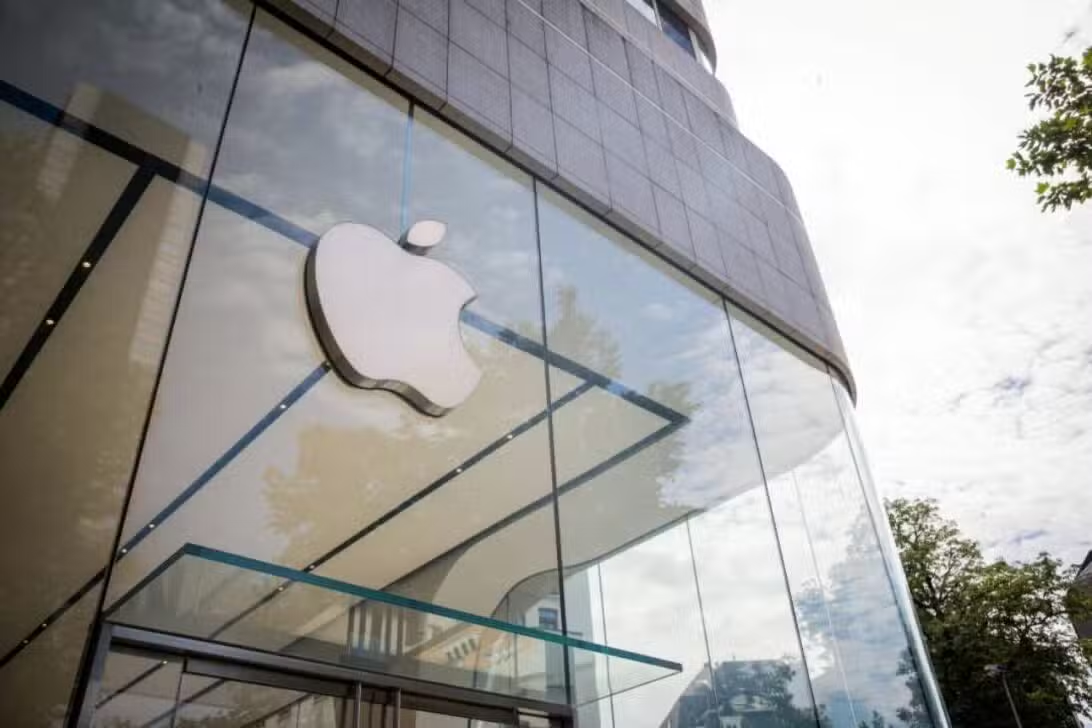
Apple has decided to keep the Liquid Glass interface as a core element of its operating system for years to come. The decision comes despite changes in the leadership of the company’s design team. Fontes with direct knowledge of the subject indicate that the fluid look with translucent layers will continue to receive gradual adjustments and improvements rather than being replaced completely.
The Liquid Glass design introduces glossy icons, overlay menus, and semi-transparent backgrounds that create a sense of depth and immersion. The approach seeks to modernize the user experience on iPhones, iPads and other devices. The new design direction heavily pushed this aesthetic, making it an internal priority.
Design continuity Liquid Glass
The latest version of iOS 27 tested internally does not bring any major changes to Liquid Glass. However, Apple plans to include a system-wide setting for fine adjustments to the intensity of the glass effect. Essa tool would allow users to calibrate the level of transparency and fluidity as per personal preference.
Developers and testers have already noticed subtle refinements to animations and transitions. The company focuses on polishing details to improve visual consistency across different screen sizes. The objective remains to offer a cohesive and attractive experience without abandoning the established foundation.
Tweaks planned for iOS 27
The slider setting for Liquid Glass would be applied globally across the system. Usuários could reduce or intensify the effect according to the environment of use or aesthetic preference. Essa functionality comes after previous attempts were not completed on iOS 26 due to technical limitations at the time.
Including this option demonstrates a commitment to personalization. Apple evaluates feedback from early users to refine the balance between aesthetics and readability. The feature is expected to arrive in the main update or in subsequent betas throughout the year.
Smart hub delays with Siri
Apple has again postponed the launch of the screen-equipped smart home hub with advanced integration to Siri. The device, initially planned for earlier periods, is now scheduled for launch in September 2026. The main Motivo involves the continuous development of improvements to the virtual assistant.
The Siri needs significant updates to support more complex commands and smooth integration with the hub. The product relies on this evolution to offer complete smart home control via voice. The company prioritizes quality over accelerated deadlines in this segment.
Challenges in developing Siri
Internal teams face obstacles in modernizing Siri and aligning it with current artificial intelligence expectations. The smart home hub requires efficient local processing and quick responses in varied home scenarios. Accumulated Atrasos reflects the complexity of integrating hardware and software harmoniously.
Apple maintains a focus on privacy and offline performance. The delay allows for additional testing to ensure stability before market arrival. The device must compete directly with competing options in the connected home ecosystem.
Advances in the foldable iPhone
Apple prepares specific software improvements for the foldable iPhone scheduled for 2026. The device will feature an adapted interface that resembles the iPad experience when opened. Foco main goal is to minimize the visibility of the fold on the internal screen.
Mass production approaches with solutions for durability and center mark reduction. The model should offer an internal screen of around 7.8 inches without a noticeable crease. The company invests in advanced display technologies to overcome limitations seen in current foldables.
Strategy for the foldable device
The foldable iPhone will integrate features optimized for multitasking and productivity. Adaptive Interface will allow use in expanded mode with floating windows and intuitive controls. Apple seeks to differentiate the product through construction quality and integration with the iOS ecosystem.
Expected launch at the end of 2026 coincides with the annual update cycle. Expectativas include premium pricing and an emphasis on superior durability. The project represents Apple’s strategic entry into the foldable devices segment.
Perspectives for the Apple ecosystem
Maintaining the Liquid Glass reinforces the brand’s visual identity across multiple products. Gradual Refinamentos avoid abrupt breaks in the user experience. The strategy balances innovation with stability across a broad portfolio.
Parallel developments in the Siri hub and foldable iPhone indicate continued investment in new categories. Apple prioritizes deep integration between hardware, software and services. Avanços depend on synchronization between teams for future deliveries.