
Conflicts in the Middle East and lack of dates cancel the game between Argentina and Spain in the Finals

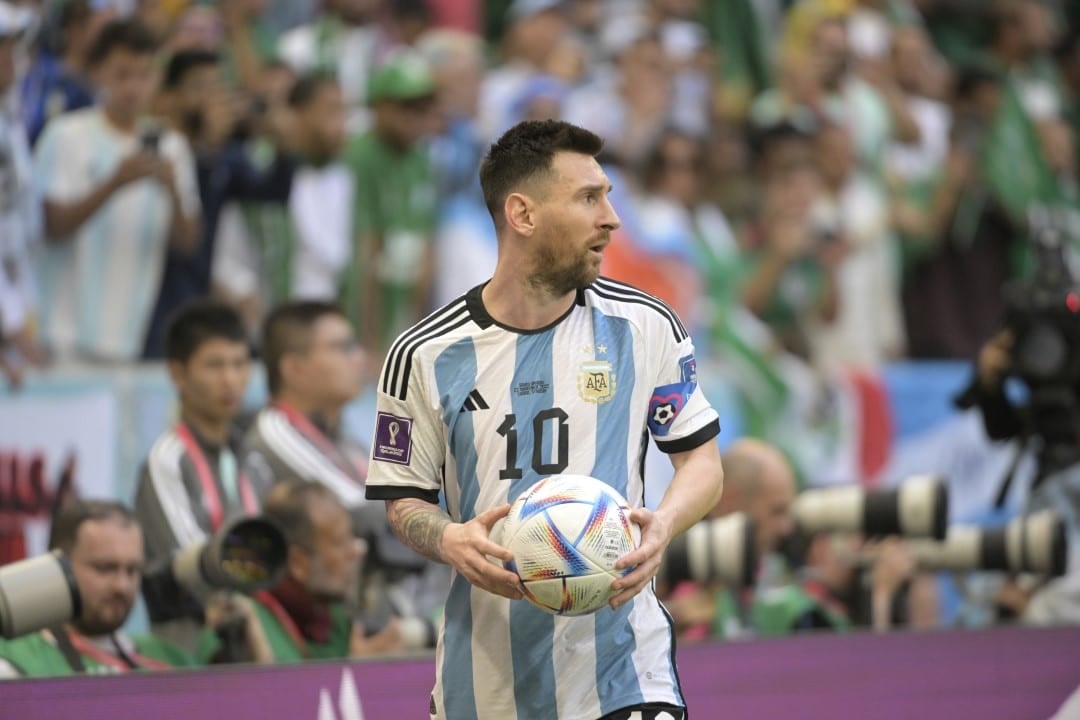
The long-awaited clash that would put the champion teams of Copa América and Eurocopa face to face has been officially removed from the world football calendar. The joint decision between the organizing entities came after successive rounds of negotiations that did not result in a viable logistical and security agreement to hold the match. The duel between the main teams of Argentina and Espanha was initially scheduled for the month of March, with the city of Doha, in Catar, as the main venue for the sporting event.
The negotiations directly involved the senior executives of the continental confederations of América, Sul and Europa, in addition to the national federations of each country. Fatores outside the sporting sphere determined the direction of the conversations, demanding changes in route that came up against the lack of available dates in the congested international calendar. The impossibility of ensuring adequate security at the primary location triggered a domino effect on the event’s structural discussions, affecting the planning of all parties involved.
Without a short-term solution, the entities chose to cancel the current edition of the intercontinental tournament. The measure directly affects the technical planning of the two teams, which now need to look for new opponents for the dates stipulated for the first half of the year, in addition to representing a break in the expectations of the global public and commercial partners who were already projecting profits from broadcasting the clash between South Americans and Europeans.
Security factors make the original headquarters at Catar unfeasible
The escalation of tensions in the Oriente Médio region turned initial planning into an insurmountable logistical challenge for the organizers of the sporting event. The Catar had been chosen months in advance due to its modern infrastructure, inherited from the last Copa of the Mundo, and the ability to host large shows with easy access for fans from different continents.
However, the involvement of neighboring nations in armed conflicts and the instability of regional airspace have raised red alerts in the security departments of football confederations. Diante of the uncertainty scenario, maintaining the match in Doha came to be seen as an unnecessary risk for athlete delegations, technical committees and the general public.
The European federation, together with the South American entity, then began a race against time to find a new stage that offered the same financial and structural guarantees as the original agreement. Essa search for alternatives, however, turned out to be much more complex than expected, coming up against specific requirements of each national team.
Attempted transfer to stadium Santiago Bernabéu
One of the first alternatives put on the negotiating table involved transferring the single game to the Spanish capital. The Santiago Bernabéu stadium, belonging to Real Madrid, was offered as the main stage to keep the original date intact, with the Spanish club’s board expressing full support for the initiative to host the international event.
The proposal included a strictly equal division of the ticket load, ensuring that South American fans would have the same presence in the stands as European fans. Apesar of the cutting-edge structure offered by the newly renovated arena, the association that governs football in the South American country declined the offer immediately, under the understanding that playing at the opponent’s home would violate the principle of neutral ground established in the creation of the tournament.
Deadlock over round-trip format between continents
With the refusal of a single game at one of the competitors’ home, the idea of transforming the dispute into a two-game confrontation arose. The first duel would take place on European territory, maintaining the March window for the event and taking advantage of the logistics already pre-established by the teams from the old continent.
The return game would be scheduled for the Argentine capital, Buenos Aires, using a date reserved by world football’s highest entity at a future time. Essa solution aimed to balance the advantage of field control and please fans from both countries, promoting a complete sports exchange experience.
The complexity of the international calendar, however, made this alternative impractical in the short and medium term. The teams already have commitments made for the next windows of friendlies and qualifiers, which prevented the advancement of this double format without harming other official competitions.
Furthermore, European clubs, which hold the federative rights to most of the players called up, have demonstrated resistance to the idea of releasing their athletes for additional transatlantic travel. Physical exhaustion and the risk of injuries in the midst of the decisive phases of the national championships weighed against the approval of the round-trip model.
Calendar differences prevent agreement on neutral territory
The search for a neutral field in the Europa continued to be the priority of the old continent’s organizing federation after discarding previous options. Foram suggested arenas in Itália and other neighboring countries, with date options varying between the end of March and the first days of April. The intention was to take advantage of the infrastructure of stadiums that would not be in use by local leagues on those specific dates, guaranteeing an impartial and high-level technical environment for the clash between the continental champions. The logistics of transport and accommodation in the central region of Europa would facilitate the movement of both delegations, minimizing the impact of time difference and the physical fatigue of professional athletes.
The South American entity even agreed to hold the match on Italian soil, but requested a specific change on the day of the game to adapt the travel logistics of its athletes, who play in different leagues around the world. The counterproposal was rejected by the Europeans, who claimed it was impossible to change television broadcast contracts and the schedule already established with the event’s master sponsors. The rigidity of commercial contracts and the lack of flexibility for last-minute adjustments highlighted the difficulties of aligning the interests of two world football powers in such a short space of time, resulting in the definitive collapse of negotiations for the neutral venue.
Historical rescue of the intercontinental tournament and financial impact
The meeting between the winners of the sport’s two most traditional continents has deep roots that date back to decades past, long before the current commercial nomenclature. Originalmente conceived as Troféu Artemio Franchi, the competition had sporadic editions in the eighties and nineties, serving as a thermometer of strength between the football schools of Europa and América of The resumption of this concept occurred recently, as a result of a strategic memorandum of understanding signed between the two main confederations on the planet. The central objective of this alliance was to strengthen institutional ties, promote technical exchange and create a highly profitable product for the television rights market. The inaugural edition of this new phase was held with great success in the city of Londres, in the iconic Wembley stadium, where the team led by Lionel Messi overcame the Italian team with an imposing victory. Esse triumph not only yielded an unprecedented trophy for the current generation of South American players, but also consolidated the event’s credibility among the global public and sponsors. The cancellation of the next meeting represents a significant loss for the financial and sporting planning of the entities involved, which will fail to raise significant amounts in sponsorship quotas, box office and image rights, in addition to frustrating the brand’s expansion in emerging markets.
Official position of the federations on the end of negotiations
After exhausting all logistical possibilities, the national associations went public to clarify the reasons for the cancellation. The board that runs football in the South American nation issued a statement detailing its willingness to concede on several points of the negotiation, deeply regretting the lack of flexibility in the European calendar to accommodate the event fairly.
On the other hand, the entity responsible for sport at Europa expressed frustration with the outcome of the negotiations, highlighting the ongoing efforts to save the event. European leaders emphasized that the priority was always to guarantee the safety of everyone involved, which justified the immediate departure of the Asian country and the subsequent difficulty in finding a suitable replacement in a timely manner.
Future planning of selections
Without the dispute for the intercontinental trophy on the near horizon, the technical committees of both teams redirect their focus to the qualifying tournaments and preparatory friendlies. The tight calendar of modern football remains the main obstacle to the creation and maintenance of new competitions that require the transatlantic movement of entire delegations, forcing federations to rethink the model of global sports integration for the next cycles of official competitions.




