
Deactivation of 3G in Japan ends the garakei era and raises doubts about FOMA Docomo contracts

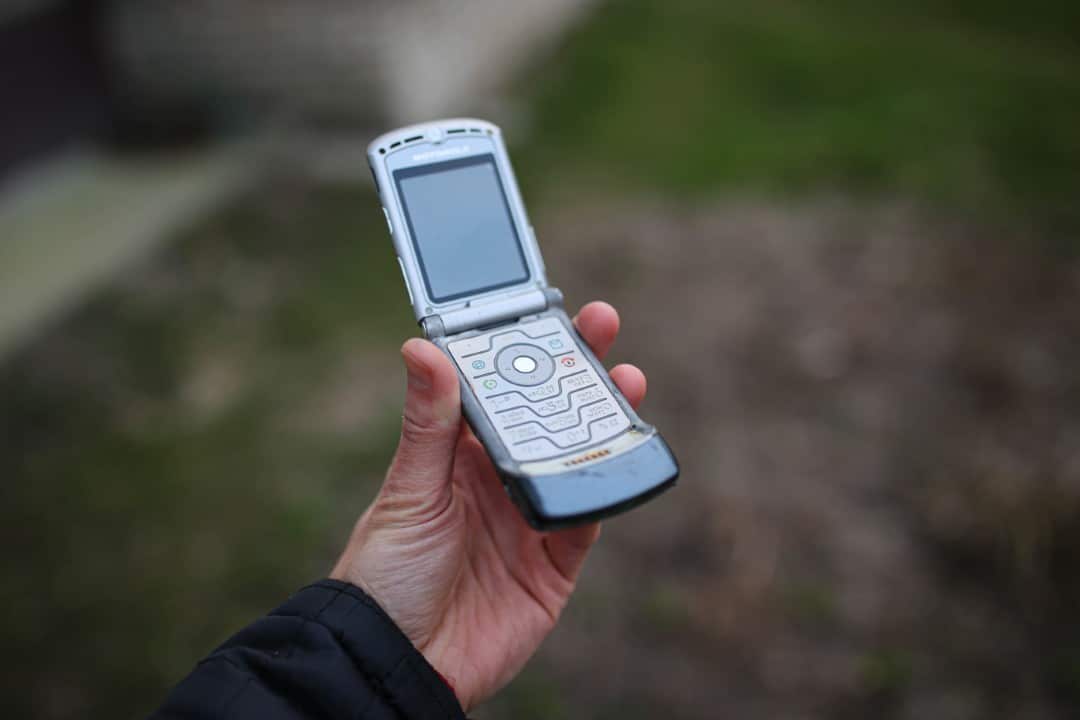
The phase-out of 3G technology in Japão reaches its final stage this month, marking the definitive closure of the services that shaped a generation of mobile communication. Esta transition directly impacts users of old “garakei”, Japanese cell phones with exclusive features, many of which still operate on the 3G network. The end of the 3G era not only represents a technological advancement, but also raises important questions about the need for migration and the prevention of automatic contract cancellations.
With the interruption of the FOMA service from Docomo, the Japanese operator most affected by this change, thousands of consumers are alerted to the urgency of updating their devices. The measure aims to optimize telecommunications infrastructure for the most modern 4G and 5G networks, which offer greater speed and capacity. The adaptation requires users to check the compatibility of their devices and plans with current technologies to avoid interruption of services.
The scenario in Hiroshima, for example, highlights the discussion around 3G cell phones, as reported by local programs, which address the topic among the most talked about subjects. Familiarity with the “garakei”, who have become a cultural icon in Japão, contrasts with the inevitability of technological obsolescence. The decision by Japanese operators to disable 3G networks is in line with a global trend, where countries around the world are discontinuing older technologies to free up spectrum and resources for new generations of communications.
The origin of garakei and its unique evolution
The term “garakei” emerged around the 2000s to describe Japanese cell phones that presented a unique technological evolution. Esses devices were packed with advanced, multifunctional features that set them apart from global standards, such as single-segment TV, integrated mobile payments and infrared communication. The innovation was remarkable, but their peculiarity meant that they were compatible only within the Japão, resulting in a “unique evolution” comparable to that of living beings in the Ilhas Galápagos.
Thus, the expression “cell phone Galápagos” was coined, combining “Galápagos” with the word cell phone, to describe these devices that developed in isolation. Apesar of its advanced engineering for the time, this exclusivity made the transition to global standards more challenging. Muitos users, especially those who appreciated the simplicity and robustness of physical buttons, kept their “garakei” for years, creating a strong bond of attachment to these devices.
Implications for users and the end of FOMA
The termination of the 3G service has serious implications for users who still use “garakei”, especially those linked to Docomo’s FOMA service. The main concern is the automatic cancellation of contracts, which may occur if customers do not migrate to devices and plans compatible with 4G or 5G networks. The operator has warned about this possibility, emphasizing the need for proactive action on the part of consumers.
For many, the change is not just technical, but also an adjustment in the way of daily use. “Garakei” phones were known for their durability and tactile button experience, features that many users preferred over the touchscreens of modern smartphones. Docomo and other operators are offering support programs and easy options for changing devices and migrating plans.
Challenges of transitioning to new technologies
The transition to the most recent technologies poses several challenges, particularly for segments of the population most averse to technological changes. Idosos, for example, who have become accustomed to the intuitive interface and physical buttons of “garakei”, may find it difficult to adapt to smartphones with touch screens and complex operating systems. The learning curve for new devices can be a significant hurdle.
Additionally, concerns about losing personal data and settings during migration are anxiety-provoking for many. Contatos, messages and other data stored on old devices need to be transferred carefully, which requires technical knowledge or specialized assistance. Operators’ customer support infrastructure is critical to guiding users through this complex process, ensuring a smooth transition.
There is still an emotional attachment to “garakei”, which represent a phase in the history of Japanese mobile technology. The simplicity of its main functions — making calls and sending text messages — in contrast to the multifunctionality of smartphones, attracts a niche of users who value objectivity and minimal distraction. Essa cultural preference for a more direct device contributes to resistance to change.
The legacy of the 3G era and the nostalgia of buttons
The 3G era and the “garakei” left a significant legacy in the history of telecommunications in Japão, being remembered with a certain nostalgia by many. Carp’s former manager, Arai, exemplified this sentiment by joking about using the “latest garakei”, reflecting the cultural affection for these devices. The robustness and simplicity of buttons that could be “firmly pressed” are features often cited by their advocates.
These phones weren’t just communication tools; they were symbols of a uniquely developed Japanese technological identity. The ability to integrate digital TV and mobile payments, long before they became commonplace on global smartphones, demonstrated the technological edge of Japão. Embora the 3G network is being deactivated, the memory of these devices and their cultural influence will persist.
The nostalgia also extends to battery life, which in our “garakei” was noticeably superior to that of current smartphones. Usuários could go days without needing to recharge, a benefit that was lost with the advent of energy-intensive applications and screens. The simplicity of the connection and less exposure to complex digital content are also points of affection for many.
The physical design of the “garakei”, often foldable and compact, was also a practical difference. Facilitava transport and protected the screen and keyboard, features that users considered valuable. Customization with accessories and ease of repair in case of minor damage contributed to the longevity of these devices in the lives of Japanese people.
Alternatives and migration to 4G and 5G
For users affected by the end of 3G, migrating to 4G and 5G networks and purchasing new devices are essential steps. Telephone operators, including Docomo, are committed to facilitating this transition by offering a variety of compatible smartphones and plans. Existem options ranging from basic, easy-to-use models to more advanced ones, meeting different consumer needs and budgets.
Most new devices offer an improved experience, with high-speed internet access, a wide range of applications and greater communication security. Além Furthermore, 4G and 5G networks not only provide better performance for browsing and streaming, but are also crucial for using modern digital services, such as banking, healthcare and transportation apps, which rely on robust connectivity.
Preventing automatic cancellations and guidance
To avoid the automatic cancellation of contracts and guarantee the continuity of communication services, users of “garakei” and 3G plans must take urgent measures. It is essential that each individual checks their contract status and migration deadlines. Operators have provided specific service channels to assist in this process and clarify any doubts.
General guidance for the transition includes:
Future of connectivity in the Japanese scenario
The termination of 3G service in Japão represents a significant step towards a future of connectivity entirely based on fourth and fifth generation technologies. With the release of the 3G spectrum, operators can allocate more resources to expanding and improving 4G and 5G networks, ensuring greater speed, lower latency and greater capacity for all users. Essa modernization is essential to support the growing volume of data and demands for innovative services. The nation continues to position itself at the forefront of mobile technology, driving innovation and enhancing the digital experience of its citizens.




