
Executive Producer Matt Selman Addresses the Long-Awaited Return of Classic The Simpsons: Hit & Run to Modern Consoles

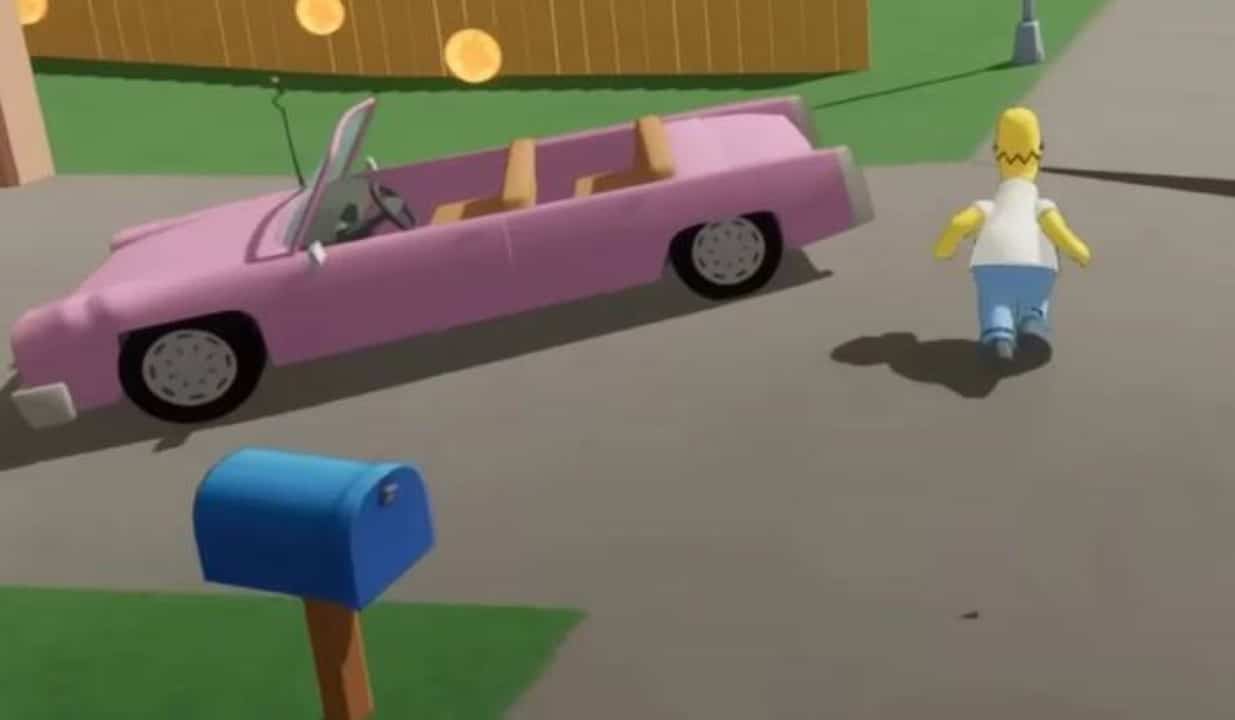
The executive producer of the animated franchise Os Simpsons, Matt Selman, recently addressed the possibility of a return to the acclaimed electronic game The Simpsons: Durante the conversations about the vast cultural legacy of the work, the executive recognized the continued demand from the global gaming community for a modernized version of the title. The open-world game has established itself as a popular phenomenon over the past two decades, maintaining an active fan base that constantly requests a remaster or a project made from scratch. Embora the producer adopted a cautious stance in his words, the mere mention of the title was enough to stir up discussion forums on the internet. The absence of a project formally in development did not prevent the topic from returning to the center of debates about adaptations of intellectual properties for video games. The digital entertainment market is closely watching these movements, as the rescue of classic brands has proven to be a high-yield commercial strategy.
The current scenario surrounding the possible return of the game presents specific elements that justify the attention of the public and specialized media:
– Official recognition from one of the franchise’s main executives about consumers’ desire for a new release.
– The recent restructuring of development studios linked to the original project two decades ago.
– The complexity of copyright negotiations following major corporate mergers in the global entertainment sector.
The milestone in the history of adaptations
The title The Simpsons: Hit & Development was carried out by Radical Entertainment, which managed to establish the product as the most successful adaptation of the animated series to the interactive format. The game’s structure was based on a vast open world, allowing users to explore the city of Springfield with a level of technical detail unprecedented at the time. Direct inspiration from successful mechanics from other action games ensured fluid and attractive gameplay. Essa combination of free exploration with the universe established on television resulted in significant sales figures and positive reviews from the specialized press.
The game’s narrative put audiences in control of members of the main family, including Homer, Bart, Marge, and Lisa, as well as the character Apu. The script featured a conspiracy involving surveillance cameras, mysterious black vans and a direct link to the fictional brand Buzz Cola and the aliens Kang and Kodos. The text was prepared by Matt Selman himself, in joint work with the screenwriters Tim Long and Matt Warburton. Essa direct collaboration between the television team and software developers ensured that the characteristic humor and cultural references of the original work were maintained. The result was a product that respected the fan’s intelligence and offered an authentic experience.
Freedom of exploration in Springfield
The main mechanic that defined the success of the title allowed players to drive different vehicles throughout all districts of the virtual city. Essa freedom of action transformed the gaming experience, moving away from linear models that limited interaction with the scenario. The possibility of interacting with iconic locations from the animation added a fundamental layer of immersion for audience engagement.
The format of missions spread across the map encouraged the discovery of secrets and collectibles hidden by the developers. The open-world structure proved that television intellectual properties could yield complex, long-lasting games. The model adopted by the technical team became a reference for future cartoon adaptations in the digital entertainment industry.
Internal conflicts during creation
The game’s development process faced significant disagreements behind the scenes before reaching its final form. Matt Selman revealed that the initial programming team demonstrated strong resistance to the idea of allowing characters to enter and exit cars freely. Essa functionality required considerable technical effort and complex adjustments to the graphics engine used at the time.
The executive producer had to hold a long internal discussion to ensure that the mechanics were implemented in the final product. The vision of the animated series’ creative team argued that the player’s fun should be above initial technical limitations. The insistence resulted in the approval of the feature, which was later highlighted as one of the highlights of the gameplay.
Years after its launch, those involved in the original project admit their surprise at the status the work has achieved. The team did not project that the title would maintain such a dedicated player base after more than twenty years. The continued reception demonstrates how design decisions focused on user experience can extend the life of software.
Restructuring of the original developer
Speculation about a new project gained strength due to recent movements in the technology studio market. Radical Entertainment, responsible for the original code, went through a process of reactivating its activities. The company now operates under the name New Radical Games, marking a new chapter in its corporate trajectory.
This structural change occurred after a strategic merger with Hothead Games, another developer in the sector. The union of the two entities aims to strengthen production capacity and expand the portfolio of services offered to the market. The new lineup has attracted the attention of investors and classic game enthusiasts.
The official New Radical Games portal recently published a list of skills that includes remastering old games. The text highlights the ability to improve visual aspects, audio design and control mechanics to adapt classic titles to modern hardware. Essa specific information served as a catalyst for the community’s theories.
The direct mention of modernizing past intellectual properties aligns perfectly with requests from fans of the animated franchise. The new studio’s technical infrastructure suggests the team has the tools needed to execute a large-scale upgrade project. The market awaits official announcements about the first contracts signed by the new company.
Bureaucratic obstacles and property rights
Despite the mutual interest between creators and consumers, enabling the game to return faces a complex corporate maze. Matt Selman highlighted that approving a project of this magnitude requires intricate negotiations between multiple interested parties. The copyright landscape has undergone drastic changes since its original release, particularly following the acquisition of 21st Century Fox by The Walt Disney Company. The entertainment giant currently has control over the brand and needs to authorize any licensing for derivative products. Além of the intellectual property holder, the process involves the game publishers that published the original version and the development studios that own parts of the source code. Financial and contractual alignment between all these entities represents a considerable logistical challenge, requiring months or even years of closed-door meetings. Structuring a budget for developing an open-world game to today’s standards also requires guarantees of substantial financial return. Portanto, transforming the community’s desire into a signed contract depends on overcoming legal barriers that go far beyond technical programming capacity.
The weight of nostalgia in today’s industry
The video game sector is going through a period of heavy investment in the recovery of renowned intellectual properties. Companies have identified that nostalgia acts as a determining factor in the commercial success of new releases. Projetos of total recreations of old games have dominated best-selling product lists in recent years.
The demand for an updated version of the adventure in Springfield reflects exactly this modern consumer behavior. The public seeks to relive past experiences with the visual and technical comfort provided by state-of-the-art equipment. The business model focused on already tested properties reduces financial risks for large corporations in the sector.
The official position on the future
The executive producer ended his statements by reinforcing that there is no signed contract or line of code being written at the current time. However, the refusal to dismiss the idea definitely keeps the issue in the spotlight in the specialized media. The continuous mobilization of players acts as a constant reminder to companies about the profitable potential that the brand still has in the interactive universe.



