
Fernando Alonso withdraws from Chinese F1 stage due to strong vibrations and criticizes energy management

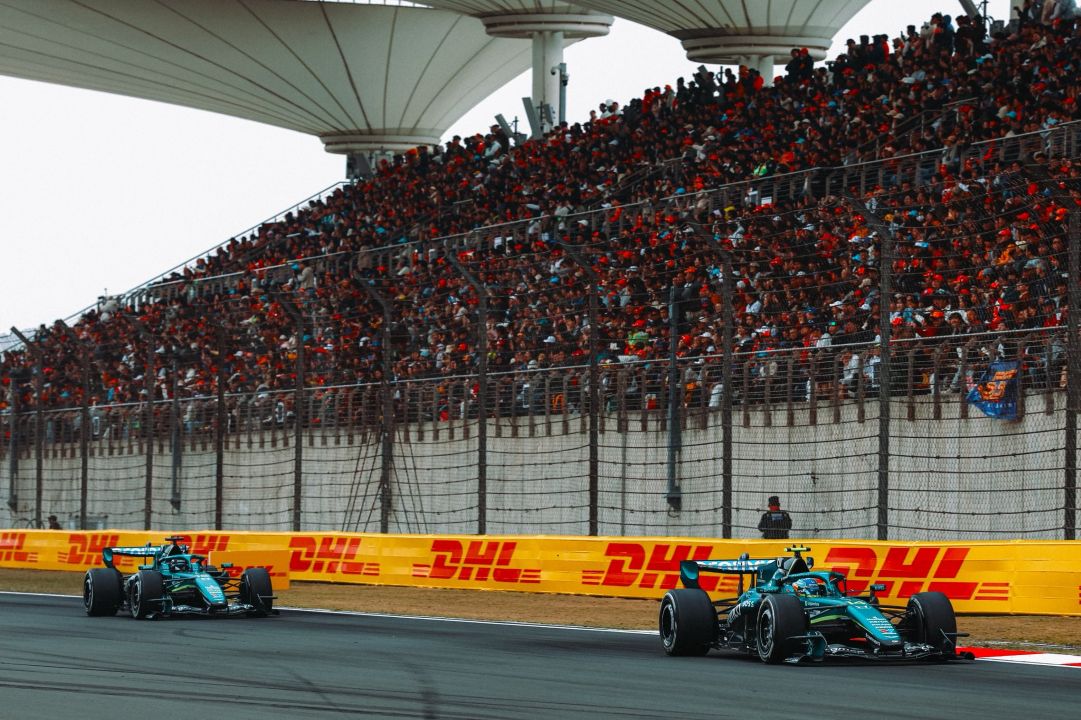
Fernando Alonso, two-time world champion of Fórmula 1, abandoned the Grande Prêmio of The experienced Spanish driver reported extreme difficulties in feeling his hands and feet, which made it impossible for him to continue the race on the 32nd lap, marking yet another setback for the team this season. The situation led Alonso to make incisive criticisms of the category’s new technical regulations, which, according to him, transformed the sport into a “battery world championship”, compromising the spectacle and the performance of the vehicles.
The withdrawal of Alonso on the Xangai circuit was the second consecutive one in the early stages of the year, highlighting a chronic problem that Aston Martin and its partner Honda have been trying to resolve since pre-season testing. Excessive vibrations in the AMR26 not only harm the car’s performance, but also pose significant risks to the health and safety of drivers, directly affecting the sensitivity of their limbs during high-intensity racing. The team publicly acknowledged the gravity of the situation and pledged continued efforts to find a lasting solution.
The complexities of car vibrations
Vibrations in the Aston Martin car reached an alarming level during the China GP, surpassing any intensity felt throughout the race weekend. Fernando Alonso described the situation as excruciating, with the sensitivity of his hands and feet compromised to the point where he was unable to operate the vehicle effectively. Cenas captured by onboard cameras showed the Spanish driver releasing his hands from the steering wheel in straight lines, making gestures to try to stimulate his fingers, a clear sign of the discomfort and seriousness of the problem.
This phenomenon is not just a nuisance, but a physical barrier that prevents drivers from extracting maximum performance from the car, especially in crucial moments of overtaking or recharging. Alonso explained that reducing engine speeds alleviates the problem, but this measure is unfeasible in racing conditions, where high speeds are essential. The dependence on the Honda engine, with which the Aston Martin has a partnership, puts the Japanese automaker at the center of the search for a technical resolution to this complex challenge.
Recent history of abandonments at Aston Martin
The 2026 Chinese stage was another challenging chapter for Aston Martin, which saw its two drivers abandon the race. In a repeat of the Australian scenario, Fernando Alonso and Lance Stroll were unable to complete the race, with the Canadian withdrawing even earlier due to a suspected battery problem. Na Austrália, Alonso retired after 21 laps, and Stroll after 43 laps, demonstrating that reliability issues and vibrations are persistent and affect both team cars. Essa sequence of retirements in the first two races of the season raises serious concerns about the competitiveness and durability of the AMR26.
Sharp criticism of the F1 regulations
Fernando Alonso spared no criticism of the new technical regulations of Fórmula 1, which he considers excessively focused on energy management. In his statement to Diario AS, the Spaniard mocked the category, calling it the “world battery championship”, a direct jab at the complexity and limitations imposed by energy management rules. Alonso’s frustration is shared by many in the paddock, especially after four cars did not even start in the China GP, all due to technical problems.
The situation is seen by the veteran pilot as detrimental to the show. The difficulty in equalizing battery levels after the first lap, when the cars are more balanced, distorts the competition and prevents more exciting races. Criticism of Alonso encompasses the perception that power management engineering is overriding the pure riding ability and aerodynamic performance essential to the traditional
He highlighted the absence of cars from Gabriel Bortoleto (Audi), Alexander Albon (Williams) and the McLaren duo, Lando Norris and Oscar Piastri, at the Chinese start as a clear example of the fragility of the current system. Para Alonso, the public deserves to see all competitors on the track, and the massive technical failure is an indication that the regulatory focus may be diverted from what really interests sports fans. The two-time champion’s vision reflects a growing discontent with technical priorities that, in his opinion, do not favor the adrenaline and unpredictability of racing.
The search for solutions and hope for Japão
After the first two consecutive weeks of races of the 2026 season, teams will have a break of more than ten days before the next stage. Este pause period is seen as a crucial opportunity for Aston Martin to move forward in solving the problems that have been affecting its cars. Fernando Alonso expressed cautious hope that this additional time will allow Honda, the team’s powertrain partner, to deepen understanding of the cause of the vibrations and implement necessary corrections.
The Spanish driver emphasized the difference between the five days of preparation between the Austrália and China races, which resulted in the same problems remaining, and the two weeks available before the Japão GP. Ele believes the extra time will be critical for developing more effective insulation for the batteries and for Honda further investigation into the roots of the mechanical problem. The expectation is that the return of the Fórmula 1 on March 27th for the first free practice sessions at the Japão will find the Aston Martin with significant improvements.
The team’s perception and the pressure on Honda
Amid the challenges, Aston Martin issued a statement reinforcing its commitment to resolving technical issues that affect car performance. The team said it will continue to work closely with its partners at Honda to “better understand the car and improve it in all areas.” Esta statement underlines the pressure on the Japanese automaker, which is primarily responsible for the power unit and, consequently, for many of the components that may be causing vibrations and battery problems.
Collaboration between the team and Honda is essential to overcoming these obstacles. The performance below expectations in the first stages of the season calls into question the ambitions of Aston Martin for 2026, which aimed to be competitive at the top of the table. The team’s transparency in recognizing the problems, albeit in a restrained way, indicates the seriousness with which the situation is being treated internally, with total focus on engineering and the search for a more robust and reliable car.
The development and application of effective solutions becomes a race against time, as each GP lost without scoring directly impacts the constructors’ championship standings. The pilots’ performance, especially that of Alonso, who is known for his ability to get the most out of any machine, is being compromised by factors external to his ability, generating a sense of urgency for Aston Martin and Honda. The team’s confidence and morale largely depend on the agility in reversing this unfavorable situation.
Persistent technical challenges and the impact on performance
The Aston Martin’s technical problems are not just limited to vibrations and batteries. The interconnection between the various systems of the Fórmula 1 car means that a failure in one area can trigger other difficulties. The team has been dealing with a set of challenges that affect aerodynamics, weight distribution and power management, creating a complex scenario for engineers. The direct impact is on the ability to maintain a constant and competitive pace throughout the race.
Performance in qualifying and in sections of the race where the car should shine is constantly compromised. Aston Martin engineers are now in a critical phase of data analysis, looking for correlations between vibrations and other performance parameters in an attempt to isolate the root cause and develop efficient countermeasures. The goal is to ensure that the AMR26 can operate at its maximum potential without compromising the physical integrity of pilots or the durability of vital components.
The debate over the future of energy management in F1
Fernando Alonso’s criticism of the “battery world championship” sparks a broader debate about the regulatory direction of Fórmula 1. The category has moved towards greater energy efficiency and sustainability, but at the cost, for some, of the spectacle and pure competition on the track. Equilibrar technological innovation with the essence of high-performance motorsport is a continuous challenge for the Federação Internacional of Automobilismo (FIA) and for the championship’s promoters. The voices of experienced pilots like Alonso are crucial in this dialogue.





