
Galaxy S26 Ultra buyers express frustration with post-pre-sale price drop in Europe

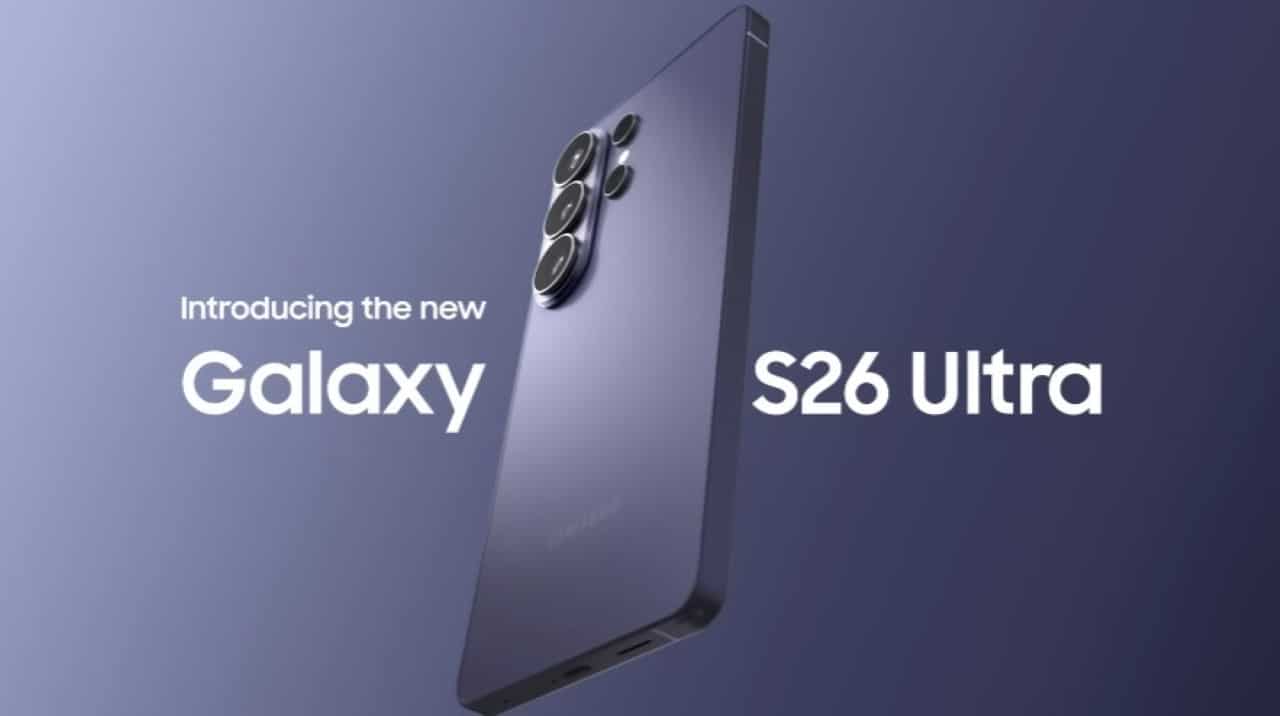
Smartphone users at Europa expressed dissatisfaction after pre-ordering the Samsung Galaxy S26 Ultra. The main complaint from some buyers focuses on the reduction in the price of the device right after the pre-sale period ends, generating a feeling of disadvantage.
Samsung had started the pre-sale period for the Galaxy S26 series on February 25, immediately after its official launch. Este process allowed customers to secure their devices before they were even physically available on the market. The Galaxy S26 series officially hit stores on March 11th.
However, one consumer’s frustration was publicly shared, highlighting the discrepancy. Ele had pre-ordered the Galaxy S26 version Ultra with 16GB of RAM and 1TB of storage, paying around €1,760. Para your surprise, the same model was offered for approximately €100 cheaper shortly after the pre-sale ended.
Post-launch price dynamics breed discontent
The situation raised questions about the real benefit of pre-orders. The affected user expressed his feeling that the only benefit of making the advance purchase was receiving the device before others. Essa perception created a climate that the first buyers were disregarded by the company.
Pre-orders are, in essence, strategies designed to reward and incentivize early adopters. Geralmente, companies offer a series of advantages, such as exclusive early delivery, substantial discounts, free accessories or more attractive exchange conditions, all to motivate purchases before the official launch.
The traditional purpose of pre-orders
Historically, the pre-order system works as a loyalty and stimulus mechanism to guarantee initial sales of a product. Essa practice allows companies to assess initial demand, plan distribution logistics, and create buzz around the launch. Consumers, in turn, expect to be rewarded for their loyalty and willingness to purchase the product even before it is fully available to the general public.
Many companies use pre-sales as a tool to generate exclusivity and perceived value. By offering tangible benefits, such as free wireless headphones or a high-performance charger, the proposal is that the initial cost is justified by the additional benefits. Esse type of offer seeks to solidify the purchasing decision, transforming the wait for the launch into a rewarding experience for the customer.
Anticipation is a crucial factor in this model. The opportunity to be one of the first to own the newest technological device is a significant draw for many enthusiasts. Esta delivery priority, combined with financial or accessory incentives, aims to create a complete package that makes pre-ordering a smart and advantageous choice.
Impact on consumer perception
Dropping the price of a product shortly after the pre-sale period can have an unfavorable impact on customer perception. Aqueles who paid a higher amount during the initial sales phase may feel that they were shortchanged, leading to a sense of regret and distrust regarding the brand’s future offerings. The experience of being an “early adopter” is, in this context, devalued.
This situation is especially sensitive in the high-value electronics market, where consumers invest considerable amounts in the expectation of obtaining the best value for money. Quando the scenario is reversed and the device becomes more accessible in a short space of time, frustration is amplified. Tal fact can compromise the long-term relationship between the brand and its audience.
Market analysis and sales strategies
The mobile technology market is notorious for its volatility and how quickly prices can adjust. Diversos factors influence this dynamic, including initial demand, production cost, fierce competition, and post-launch marketing strategies. Empresas often calibrate their offers based on the market response in the first few days and weeks.
On some occasions, price reduction may be a measure to boost sales after the initial pre-order and launch spike. Pode there is a reevaluation of stocks or the need to achieve volume targets, which leads to strategic adjustments in values. Contudo, transparent communication about these policies is crucial to maintaining consumer trust and avoiding misunderstandings that generate dissatisfaction.
Competitiveness also plays a key role. In the global scenario, where several manufacturers launch similar products with varying characteristics and prices, flexibility in pricing policies can be a tool to attract a wider audience. The agility in responding to market conditions, however, must be balanced with respect and appreciation for the customers who invested in the brand first.
Online reactions and community dialogue
The internet has become a central stage for the expression of consumer discontent. Fóruns Specialists, social networks and product evaluation platforms echo complaints and opinions, amplifying the debate and putting pressure on companies. The rapid spread of negative experiences can impact brand reputation and influence potential customers’ purchasing decisions.
The discussion surrounding the Samsung Galaxy S26 Ultra is not an isolated case and aligns with a pattern observed in other technological product launches. The online community, through shares and comments, analyzes pricing policies and pre-sale benefits, collectively seeking a clearer and more equitable understanding of the business practices of large corporations.
Consumer expectations and rights
Consumers expect consistency and fairness in companies’ pricing policies. When investing in a pre-order, the expectation is that there will be a real added value that justifies the advance purchase and financial commitment before the product is even fully available. The perception that the final price has become more advantageous in a short period can undermine this expectation and raise questions about the rights of first buyers.
Consumer regulations in different regions, such as Europa, seek to protect consumer rights by ensuring clear information and fair commercial practices. Embora price fluctuation is a market reality, the dissatisfaction generated by sudden post-pre-sales drops can prompt discussions about the suitability of these practices.
It is important for companies to consider the long-term impact of their pricing strategies, not just on immediate sales volume. Building a relationship of trust with the customer is fundamental to the sustainability of the brand, and transparency in pre-sales policies is a key element in this process. The analysis of consumer reactions serves as a thermometer to adjust and improve future campaigns.
The position of Samsung and the future of pre-sales
To date, Samsung has not issued any official statement regarding specific complaints about the price drop of the Galaxy S26 Ultra after pre-sale. Essa stance of silence, although common in situations involving market fluctuations, keeps the discussion alive between consumers and the online community, who continue to question the logic and fairness of pre-sale campaigns for high-cost smartphones.
The absence of an official position from the Korean manufacturer may, for some market analysts, indicate a strategy of waiting for the controversy to dissipate. However, for affected consumers, the lack of a response can deepen the feeling that their concerns are not being properly addressed, which is a risk to brand loyalty in such a competitive industry.
The episode serves as a reminder to the technology industry about the importance of carefully calibrating pre-order offers. It is crucial that the benefits offered are perceived as valuable and lasting, so that consumers feel truly rewarded for their anticipation. Transparency and valuing the initial customer are pillars for maintaining trust and the long-term success of sales strategies.




