Grêmio secures away point in 1-1 draw with Chapecoense amid defensive miscues in Brasileirão clash Por Luís Pereira
5 min de leitura
|
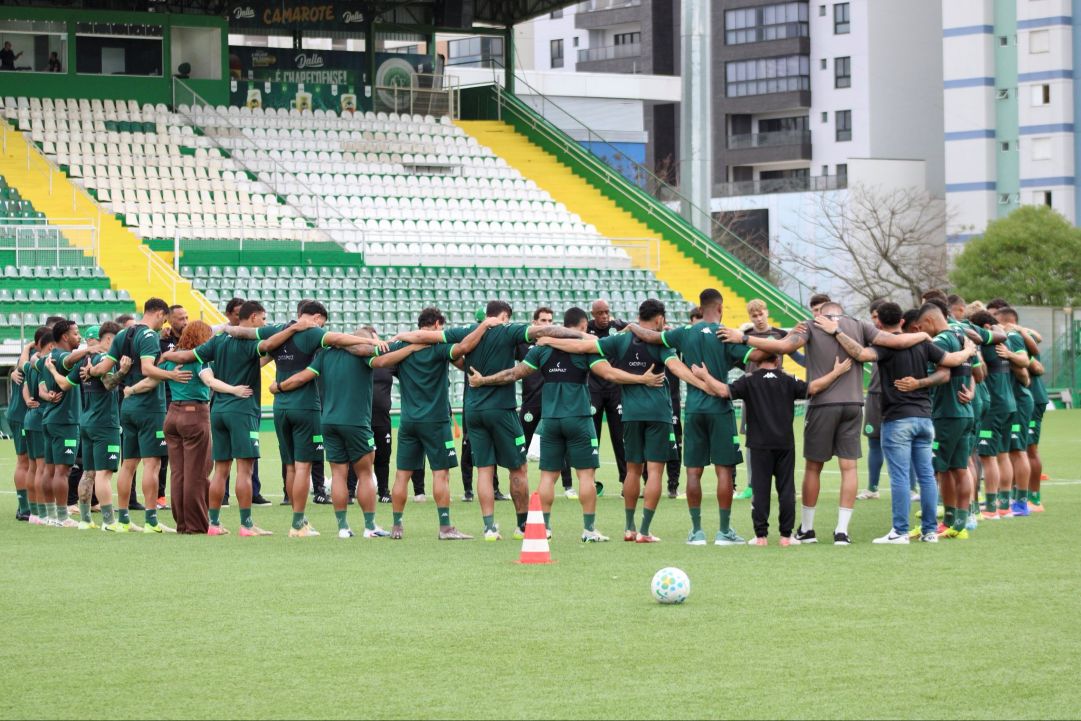
Grêmio clinched its first away point of the Brasileirão season with a 1-1 draw against Chapecoense, a match from the sixth round of the championship held at Arena Condá. The encounter was significantly influenced by defensive vulnerabilities exhibited by both teams, shaping the game’s progression and its ultimate outcome. This result, while a modest step for Grêmio in their campaign, saw both sides marginally improve their standing in a highly competitive league, yet it also raised questions about tactical solidity and execution in pivotal moments.
The crucial equalizer for Grêmio arrived late in the first half, directly capitalizing on a goalkeeping error from the Chapecoense side. This moment highlighted a recurring theme throughout the evening, where both defensive lines struggled to maintain cohesion and effectively clear their areas under sustained pressure. Such lapses ultimately proved decisive in the evenly split points.
For Chapecoense, the draw moved their season tally to six points, placing them 12th in the Brasileirão standings at the time of the match. Their record included one victory, three draws, and a single defeat, painting a picture of a team striving for consistency amidst the early challenges of the competition.
Defensive lapses define early exchanges
From the onset, the match showed signs of defensive instability, with both teams struggling to assert firm control over their respective halves. Early plays saw miscommunications and hesitations that, while not immediately leading to goals, signaled underlying issues. Opportunities arose from these defensive uncertainties, pushing the attacking lines to exploit the spaces left open.
The inability to consistently clear the ball or mark opponents tightly contributed to a tense atmosphere, as neither side could fully trust their backline. These initial exchanges set the tone for a game where individual errors would play a more significant role than masterful tactical plays, creating a somewhat unpredictable dynamic for spectators.
Penalty breaks deadlock for hosts
Chapecoense capitalized on one of these early defensive slip-ups, opening the scoring in the 27th minute of the first half. Walter Clar converted a penalty kick awarded after a foul by Viery on Bolasie inside the penalty area. The referee’s decision came after a period where Grêmio’s defense, specifically Balbuena and Pavón, had already failed to effectively clear the ball from a dangerous sector.
The sequence leading to the penalty highlighted a collective defensive failure, emphasizing the difficulty Grêmio faced in managing pressure within their own box. This goal gave the home side an early advantage, putting immediate pressure on Grêmio to respond before the halftime whistle.
Grêmio levels after goalkeeping error
Grêmio found its equalizer just before the break, in the 48th minute of the first half, through Juan Nardoni. The goal came from a corner kick where Chapecoense’s goalkeeper, Léo, attempted to punch the ball clear but mishandled the exit, inadvertently deflecting it into a dangerous area. Nardoni was quick to react, seizing the opportunity from the rebound and slotting the ball into an open net, leveling the score.
Tricolor gaúcho dominates second-half play
The second half saw a marked shift in momentum, with Grêmio asserting greater control and applying more consistent pressure. The Tricolor Gaúcho demonstrated a clear intention to dictate play, leading to a more dominant performance in terms of statistics. This period highlighted Grêmio’s strategic adjustments and increased offensive drive.
Throughout the entire match, Grêmio registered 12 shots compared to Chapecoense’s 10, reflecting their offensive push. This slight advantage in attempts underscored their forward-thinking approach, especially after the equalizer, as they actively sought to secure a leading position in the game.
Grêmio also exhibited superior ball control, maintaining 61% of possession against the home team’s 39%. This significant disparity in possession allowed them to dictate the pace and flow of the game, creating more sustained attacking phases and limiting Chapecoense’s opportunities to build cohesive plays from the back.
Shifting league positions after draw
With this draw, Grêmio advanced to eight points, securing the 7th position in the league standings at the time. Their record comprised two victories, two draws, and two defeats, indicating a steady, albeit cautious, start to their Brasileirão campaign as they navigate the demanding schedule and competitive landscape.
Strategic outlook for upcoming fixtures
Both teams will now turn their attention to upcoming fixtures, each facing distinct challenges in the highly competitive Brasileirão. For Grêmio, the point gained on the road offers a foundational element upon which to build, requiring a focus on converting dominance into decisive victories.
Chapecoense, on the other hand, must address the defensive lapses that continue to plague their performances. Consistency in the backline will be paramount as they seek to climb out of the mid-table positions and establish a more stable presence within the league. The intense schedule of the Brasileirão demands constant adaptation and improvement from every squad.
Coaching staffs from both clubs will undoubtedly be analyzing the match footage meticulously, aiming to fine-tune strategies and address individual player performance issues. The early stages of the season are critical for identifying strengths and weaknesses, shaping the tactical approaches for the arduous journey ahead.
The league’s competitive nature means that every point is hard-earned, and defensive solidity often proves to be the differentiator. Both Grêmio and Chapecoense will need to tighten their defenses and maximize their attacking efficiency to achieve their season objectives.