
James Webb Telescope detects vast ocean of magma and sulfur inside exoplanet L 98-59 d

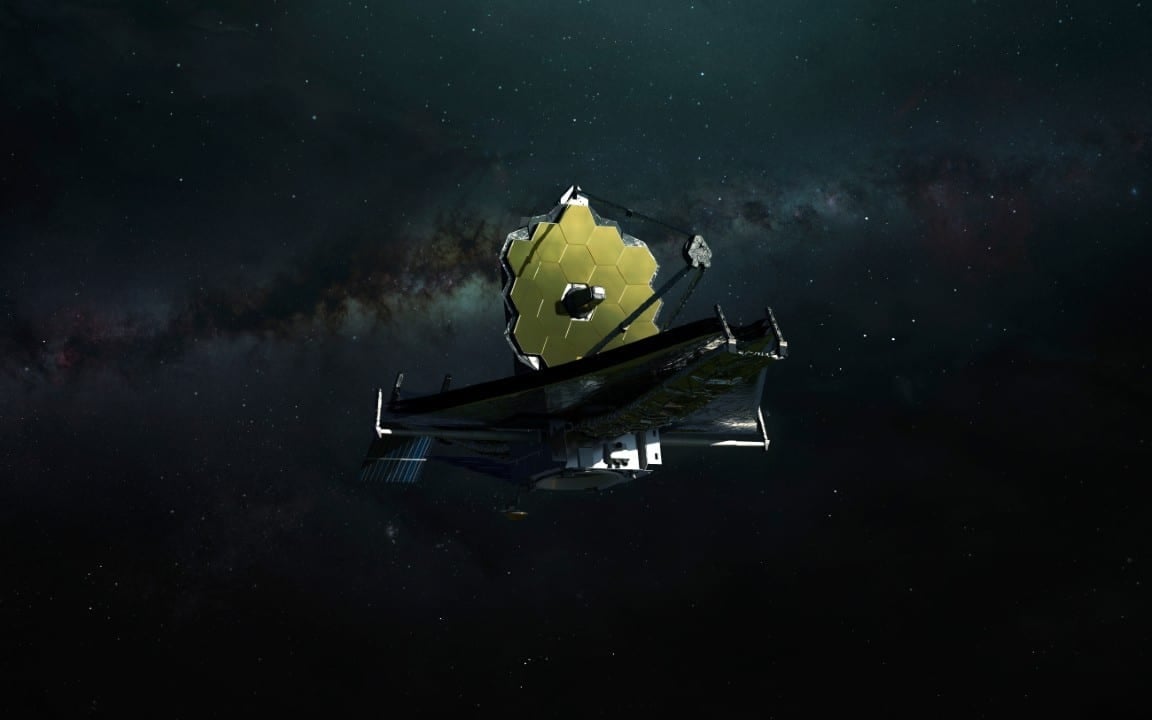
Astronomers have identified robust evidence that the celestial body L 98-59 d harbors a global ocean of molten rock within its interior, accompanied by an atmosphere saturated with sulfur compounds. The star is positioned at a distance of 35 light-years from the Earth’s solar system and exhibits physical properties that diverge from conventional patterns of planetary formation known to science.
The recent analyzes are the result of a joint space monitoring effort, using infrared capture technology from equipment in orbit, combined with high-precision measurements carried out by terrestrial bases. The object has dimensions equivalent to 1.6 times the diameter of Terra and follows its trajectory around a star classified as a red dwarf.
Detailed investigation of the data captured demonstrated an atypical global density for the star’s proportions, encouraging specific studies on its internal geological architecture. Surveys indicate a high concentration of hydrogen sulfide in the gaseous envelope, showing continuous chemical reactions resulting from a surface in a state of permanent melting.
Gravitational influence and radiation of the host star
The space environment that houses L 98-59 d is governed by a red dwarf, a smaller stellar category with a lower temperature than Sol, but characterized by emitting intense discharges of ultraviolet radiation and X-rays. The extreme proximity between the star and its light source results in a physical phenomenon called tidal locking, a gravitational lock that forces one of the hemispheres to remain constantly illuminated and heated, while the opposite side is plunged into absolute darkness and extreme cold. Essa orbital dynamics establish a severe thermal gradient across the entire length of the globe, blocking any possibility of cooling of the crust on the day side and ensuring the maintenance of the rocky mantle in a liquid state throughout geological eras.
The uninterrupted exposure to stellar energy functions as the central mechanism that drives the atmospheric and geological activities recorded in the star, preventing the solidification of silicate materials and fueling a constant cycle of internal heating. Characteristics of this extreme environment include the following operational factors:
* Ausência of a rigid, continuous crust over much of the illuminated surface.
* Escape constant of volatile gases from the molten interior to the upper layers.
* Interação direct thermodynamics between the liquid mantle and the gaseous envelope.
* Modelação of atmospheric chemical composition through evaporation of heavy minerals.
Atmospheric dynamics and photochemistry of compounds
The star’s gaseous envelope presents an absolute predominance of sulfurous elements, recording high levels of hydrogen sulfide at the most extreme altitudes of the atmosphere. Essa chemical configuration establishes a direct contrast to the nitrogen- and oxygen-rich atmospheres that characterize traditional rocky planets.
The charge of ultraviolet radiation released by the central star plays a determining role in the photochemistry of the planetary environment. High-energy photons collide with molecules of volatile compounds, causing chemical bonds to break and releasing sulfurous gases into outer space.
Despite the continuous process of atmospheric erosion caused by stellar winds, the star maintains a dense gaseous layer with a strong presence of hydrogen. The physical models applied to the study indicate that this stability occurs due to the uninterrupted injection of new gases from the underlying magma ocean.
The sulfur element remains retained on a large scale within the molten rock, which prevents its total dissipation into the space vacuum. The constant exchange of matter between the molten mantle and the atmosphere establishes a feedback system that guarantees the presence of these chemical compounds in the long term.
Mantle structure and retention of heavy elements
Mapping of the internal structure suggests that the star’s mantle is composed almost entirely of molten silicate, forming a global ocean of magma that reaches thousands of kilometers deep. Esse compartment of liquid rock operates as a high-efficiency chemical reactor, capable of trapping heavy and volatile elements during billions of years of planetary evolution.
The global low density metric points to the non-existence of a massive metallic core, indicating that the mass of magma fills between 70% and 90% of the total radius of the celestial body. Thermodynamic simulations show that extreme pressures and temperatures at the bottom of this ocean modify the properties of silicates, enabling them to dissolve gigantic volumes of gases that would normally be ejected.
Spectroscopy and data crossing technology
Capturing the chemical and physical properties of L 98-59 d depended on the high sensitivity of spectrographs installed in state-of-the-art space telescopes. Esses instruments record the light from the central star at the exact moment it passes through the planet’s atmosphere during the orbital transit movement.
Decoding the spectral signatures present in this filtered light allowed researchers to isolate the chemical fingerprints of hydrogen sulfide and other volatile materials. Photometric readings provide accurate data on the level of opacity of the atmosphere in various bands of the infrared spectrum.
The information collected in space went through a process of crossing with radial velocity measurements carried out by astronomical complexes on Earth. The integration of these methodologies made it possible to accurately calculate the object’s mass and confirm its anomalous structural density.
Orbital formation and migration trajectory
The genesis of the planetary system occurred approximately five billion years ago, in a sector of the protoplanetary disk with a high concentration of volatile materials and ice in a primordial state. Durante the initial phases of its development, the star exhibited physical traits analogous to those of a sub-Neptune, boasting a gas envelope substantially larger than that currently measured.
The process of orbital migration towards the red dwarf star caused the evaporation of a considerable part of its original atmosphere over the millennia. The heat generated by gravitational friction and direct exposure to stellar radiation prevented internal cooling, consolidating the magma ocean that characterizes its geology today.
Impact on astronomical taxonomy
The detailed documentation of the properties of this star indicates that the taxonomic classification system currently applied by astronomy to categorize small and medium-sized worlds needs updates to cover the real diversity of formations present in Via Láctea. The analyzed object does not meet the strict criteria that define rocky planets with a solid surface, such as Terra or Marte, and also does not have the necessary gas mass to be classified as a miniature gas giant. Scientific surveys demonstrate that celestial bodies dominated by perpetual magma oceans and vast underground reserves of sulfur constitute a totally independent geological and atmospheric class. The identification of this pattern suggests that planets with this internal architecture may represent a frequent occurrence in orbital systems structured around red dwarf stars, which make up the overwhelming majority of the stellar population in our galaxy, requiring the formulation of new study parameters to understand the distribution of volatile elements in the universe.
Biological and environmental parameters
Extreme surface temperature metrics, combined with the non-stop bombardment of stellar radiation and the high toxicity of a hydrogen sulfide-saturated atmosphere, eliminate any viability for the development or maintenance of life forms based on terrestrial biology. The direction of the next space observation campaigns will maintain the focus on the rigorous mapping of these inhospitable atmospheres and the decoding of the internal geological mechanisms, with the aim of improving the mathematical models that explain the formation and evolution of planetary systems.



